


Creating clean boundaries between grass turf and garden beds or walkways transforms the appearance of any property. Overgrown grass quickly creeps across pavers and into mulch, stealing water and nutrients from ornamental plants while creating a ragged landscape. Learning how to edge a lawn by hand gives homeowners complete physical control over turf lines without the fumes, noise, weight, and vibration of gas or battery-powered string trimmers. Whether you maintain a compact urban yard, prioritize quiet weekend gardening, or prefer low-impact physical exercise, manual edging remains one of the most cost-effective and dependable garden tasks.
No product for this task met our category criteria for this update. When evaluating manual edging equipment for our lawn care and power equipment guides, we focus on blade geometry, steel construction, handle leverage, and ergonomic comfort across varied soil densities. A properly selected manual tool reduces strain on wrists, shoulders, and lower backs while cutting precise vertical trenches that hold their shape across entire growing seasons.
This guide explains the exact mechanical steps required to master hand edging, analyzes the primary tool styles available to homeowners, and highlights crucial maintenance practices. By understanding how soil moisture, blade sharpness, and body mechanics interact, gardeners of any physical capability can establish crisp turf borders that elevate curb appeal.
Practical How To Edge A Lawn By Hand Buying Guide
Understanding Manual Edging Tool Types
Manual lawn edging relies on four primary tool categories: half-moon edgers, rotary wheeled edgers, long-handled edging shears, and straight-blade spades. Half-moon edgers feature a curved, semi-circular carbon or stainless steel blade mounted on a straight or T-shaped shaft. They excel at severing thick turf roots and cutting clean, deep boundaries along planting beds and undulating landscape curves. Stepping down on the wide top flange transfers body weight directly through the blade, driving it cleanly through dense turfgrass sod.
Rotary edgers utilize a serrated cutting wheel coupled with a rubber or steel guide wheel designed to roll smoothly along hard concrete curbs and paved walkways. As the tool moves forward, the spinning wheel slices overhanging grass blades against a stationary cutter. Long-handled edging shears function like vertical scissors, designed for rapid surface trimming along established borders without cutting deep into the soil. Understanding the distinction between slicing roots underground and shearing top growth above ground dictates which manual tool fits your garden routine.
Step-by-Step Technique For Hand Edging
Achieving clean results begins with proper soil preparation and alignment. Manual cutting requires moist, workable soil. Attempting to drive a blade into dry, baked clay creates uneven edges and causes significant joint jarring, while working in saturated, muddy ground pulls up messy sod clumps. For straight runs alongside driveways or paths, place a taught mason line or garden hose as a visual marker along curved flower beds to ensure graceful lines.
Position the blade vertically at a 90-degree angle to the turf surface. Step firmly onto the blade step plate using the center of your work boot, driving the metal three to four inches deep. Rock the handle slightly forward and backward to separate the turf, but avoid excessive prying that could bend the socket. Step back, advance the tool two-thirds of the blade width along the line, and repeat. Once the entire boundary is sliced, use a hand trowel or flat spade at a 45-degree angle from the bed side to lift out the severed ribbon of turf, creating a defined V-shaped trench that prevents grass stolons from jumping the border.
Tool Material Quality And Build Standards
The durability of a manual edger hinges on steel quality and socket design. Stamped sheet metal blades bend easily when encountering buried rocks or dense woody roots. Look for high-carbon heat-treated steel or forged steel heads, which hold a sharpened bevel significantly longer and resist warping under full adult body weight. Stainless steel offers superior rust resistance and sheds sticky clay soil easily, though forged carbon steel remains the benchmark for raw structural stiffness.
Pay close attention to where the blade joins the handle. A solid-strap or extended tubular steel ferrule with through-rivets provides far greater durability than inexpensive press-fit plastic collars. Solid ash and hickory wood shafts absorb ground shock naturally, while tubular fiberglass offers high weather resistance and eliminates rotting if stored in damp garden sheds. For gardeners who prioritize lighter overall tool weight, reinforced aluminum shafts reduce arm fatigue during long property borders.
Ergonomics, Shaft Length, And Accessibility
Ergonomics play a defining role when selecting manual equipment for older gardeners or homeowners managing repetitive strain. A shaft that is too short forces continuous spinal flexion, leading to severe lower back soreness after twenty minutes of work. Long shafts measuring between 48 and 54 inches allow an upright working posture, letting gravity and leg strength do the work rather than back muscles.
Handle grips also influence wrist comfort. Traditional D-grip and T-grip handles provide secure rotational control, preventing the tool from twisting sideways when hitting compacted soil. Padded, non-slip thermoplastic grips reduce blister formation and improve traction when working with damp gardening gloves. For gardeners managing arthritis or shoulder limitations, lightweight long-handled edging shears allow regular border trimming without requiring heavy foot-stepping or bending.
Comparing Manual Edger Styles
To choose the right tool format for your yard, consider how each design performs across specific landscape surfaces, turf varieties, and soil conditions.
| Tool Style | Primary Purpose | Best Landscape Feature | Key Tradeoff |
|---|---|---|---|
| Half-Moon Edger | Cutting new borders & deep roots | Curved flower beds & mulch rings | Requires body weight & stepping effort |
| Rotary Wheel Edger | Fast rolling maintenance | Concrete sidewalks & flat curbs | Struggles in loose soil or deep mulch |
| Edging Shears | Trimming upright grass blades | Around delicate stone & steep banks | Does not create a subsurface root trench |
| Straight Flat Spade | Dual-purpose edging & digging | Straight lines & trench cleanout | Lacks curved contouring versatility |
Common Mistakes When Hand Edging
The most frequent error in manual edging is driving the blade inward at an angle toward the lawn rather than straight down. Angling inward undercuts the root system of perimeter turfgrass, causing the border edge to dry out, turn brown, and collapse within days. Always keep the blade perpendicular to the surface on the initial cut to preserve the structural integrity of the lawn turf.
Another common mistake is failing to clear the resulting turf debris promptly. Leaving severed grass ribbons inside the freshly cut trench allows roots to re-establish during the next rain or irrigation cycle. After edging, rake out the dislodged soil and sod remnants. If you maintain small turf areas alongside garden paths, combining hand edging with a clean pass from a compact mower, such as those covered in our guide to the best electric lawn mower for small yard, ensures a crisp overall finish across your entire property.
Maintenance, Sharpening, And Blade Care
A dull edger crushes grass crowns and requires twice the physical effort to penetrate sod. Maintain your manual edger by inspecting the cutting edge after every few uses. Use a 10-inch mill bastard file or an abrasive stone to sharpen the factory bevel on the outer side of the blade, maintaining a 30 to 45-degree angle. Never sharpen both sides into a knife-thin edge; manual edgers need a durable, chiseled bevel that will not chip or roll over when striking subsurface stones.
After each session, rinse caked soil from the metal head with a hose and dry it thoroughly with an old rag to prevent corrosion. Periodically apply a light film of boiled linseed oil or mineral oil to forged steel heads and wooden shafts to repel moisture. Storing manual tools upright on wall-mounted tool racks preserves blade sharpness and keeps wooden handles from warping against damp concrete floors.
Yard Cleanup And Border Preservation
Once borders are cleanly cut and debris removed, tidy the surrounding walkways and bed perimeters. Dislodged soil and loose grass clippings left on paved walkways look untidy and wash into stormwater drains during rains. Gathering soil remnants is quick with ergonomic gear like the options highlighted in our review of the best cordless leaf blower for seniors, which easily clears pavement without heavy physical sweeping.
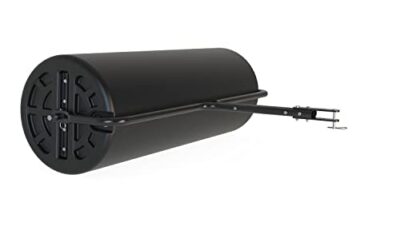
To keep hand-cut edges sharp throughout the growing season, pack three to four inches of organic wood mulch into planting beds directly adjacent to the lawn boundary, leaving a slight gap right at the vertical edge. For yards where freeze-thaw cycles or mole tunnels disrupt border levelness, settling the turf using tools discussed in our guide to the best lawn roller for uneven ground can help establish an even, firm grade prior to seasonal spring edging.
Research Methodology and Trust
At Dove Creek Gardens, our editorial evaluations are built upon rigorous technical criteria, material analysis, and real-world mechanical realities rather than advertising claims. For this September 2026 update on how to edge a lawn by hand, we examined tool geometry, metallurgy, ergonomics, and maintenance overhead across manual edging categories. Because zero individual products met our inclusion parameters in the current catalog feed, our analysis focuses on objective design principles and user biomechanics rather than subjective brand endorsements.
We screen gardening tools against five core standards: structural rigidity under full foot pressure, corrosion resistance of metal surfaces, handle shock absorption, edge-retention capabilities, and accessibility for gardeners of varying physical stature. We do not conduct laboratory destruction tests or claim proprietary hands-on trials where not documented. Instead, we cross-reference manufacturer engineering specifications, metallurgical standards, and documented owner feedback from verified home gardeners.
Our editorial approach prioritizes long-term tool utility, environmental sustainability, and homeowner safety. Manual tools eliminate fuel emissions and battery replacement lifecycles, offering reliable operation when built to durable standards. We periodically update our guides to reflect changes in manufacturing quality, handle materials, and ergonomic tool advancements.
Frequently Asked Questions
How often do I need to edge a lawn by hand?
A deep trench cut with a half-moon edger generally holds its crisp line for four to eight weeks during the peak growing season. Quick surface touch-ups along paved edges using shears or a rotary edger can be done every two to three weeks to prevent aggressive rhizomatous grasses from spreading into garden beds.
What is the best soil condition for manual lawn edging?
The ideal time to edge by hand is one to two days after a moderate rainfall or deep watering session. The soil should be damp and pliable enough to allow smooth blade penetration without clinging to the metal as heavy, wet mud.
Should the cutting blade of a manual edger be razor sharp?
No, an edger blade should have a clean, beveled chisel edge rather than a razor-thin kitchen knife profile. A razor-sharp edge easily rolls, nicks, or chips when contacting subsurface gravel, rocks, and concrete curbs. A sturdy single-bevel filing cuts sod effectively while resisting stone damage.
Can I use a regular square spade instead of a half-moon edger?
A sharp, flat square spade works well for straight lines and can double as a trench cleanout tool. However, the curved blade of a half-moon edger slices more naturally through dense sod and makes following curved landscape borders significantly easier.
How do I prevent my lower back from aching when edging by hand?
Choose a long-handled edger that allows you to stand upright without hunching forward. Rely on your leg weight on the footplate to sink the blade rather than thrusting downward with your spinal muscles, and take brief rest intervals every ten to fifteen feet of edging.
What should I do with the sod strips removed after edging?
Healthy turf strips can be shaken to retain topsoil and added to your hot compost pile, where grass blades and roots break down into organic matter. Alternatively, upside-down sod strips can be used to fill low depressions or bare spots in non-visible garden areas.
Continue your garden research
Browse more practical guides in Lawn Care & Power Equipment.
For product comparisons, see Best Cordless Lawn Mower For Small Yards 2026: Reviews and Buying Guide.
See how Dove Creek Gardens researches and compares products.