


Managing turf on uneven hillsides presents some of the most serious safety challenges in residential yard care. When homeowners ask how to mow a sloped lawn safely, they are usually dealing with slick turf, irregular inclines, or equipment that feels unstable underfoot. Slopes amplify common lawn care risks, turning minor slips into severe rollovers or blade contact hazards. This guide is written for homeowners, beginners, and mature gardeners who need reliable, straightforward techniques to manage banks, terraces, and rolling yards without putting themselves or their equipment in danger.
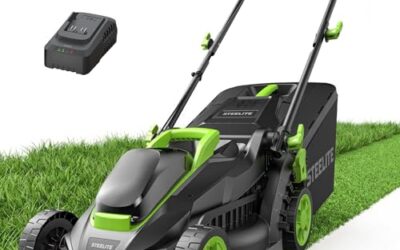
In evaluating equipment and methods for steep ground, we weighed each option against critical safety benchmarks, including center of gravity, drive control, wheel traction, and manufacturer slope limits. Whether you are maintaining a modest front yard rise or a large hillside property, matching your mowing technique to your specific terrain is far more critical than simply powering through the cut. If you manage larger properties with mixed terrain, pairing proper techniques with equipment like the best battery lawn mower for large yard applications can improve control and reduce physical strain.
Safety on sloped ground depends on three interconnected variables: the steepness of the angle, the moisture level of the soil, and the specific mechanics of the cutting machine. Understanding these factors will help you establish a dependable routine, avoid catastrophic loss of traction, and determine when an incline is simply too steep for a traditional lawn mower.
Practical Guide: How To Mow A Sloped Lawn Safely
Mowing an incline requires a deliberate plan before the engine ever starts. By understanding mechanical limitations and environmental conditions, you can protect both your physical safety and the structural health of your turfgrass.
Assessing Slope Angle and Slope Limits
The first rule of slope maintenance is knowing your angle of inclination. Most major mower manufacturers state strict operating limits in their equipment manuals. As a standard safety baseline, walk-behind push or self-propelled mowers should never be operated on slopes exceeding 15 degrees (roughly a 27 percent grade). Riding lawn tractors and zero-turn mowers are generally restricted to maximum slopes of 10 to 15 degrees, with many residential zero-turn units becoming dangerously unpredictable above 10 degrees due to caster-wheel steering.
You can verify your yard angle using a simple smartphone inclinometer app or an inexpensive angle finder laid against a straight board on the slope. If an incline exceeds 15 degrees, operating any standard residential riding mower introduces a high risk of rollover, while walking on such slopes with a push mower creates an unacceptable slipping hazard.
Directional Rules: Across vs. Up and Down
One of the most vital rules for sloped yards depends entirely on whether you are walking or riding. When using a walk-behind mower, always cut across the face of the slope horizontally. This orientation prevents you from slipping under the cutting deck if your feet lose traction, and it keeps the mower from rolling down backward over your feet if you lose your grip on the handle.
Conversely, if you are operating an approved riding mower on a gentle grade, always drive up and down the hill rather than across. Driving across an incline on a riding tractor shifts the center of gravity to the downhill wheels, which drastically increases the risk of a side rollover. When driving up and down, maintain smooth, deliberate movements and avoid sudden stops or fast turns that could cause the front wheels to lift or the rear tires to break loose.
Walk-Behind Mowers vs. Riding Mowers on Hills
Choosing between walking and riding equipment on hills comes down to weight distribution and stopping authority. Compact push mowers and self-propelled walk units have a much lower center of gravity and significantly less mass. For modest suburban properties with sharp grades, using a lightweight model like the best electric lawn mower for small yard spaces provides far superior control and allows the operator to step away instantly if stability is compromised.
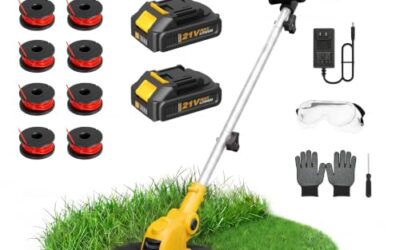
Riding mowers, while convenient for open flats, carry hundreds of pounds of metal, batteries, or fuel. When a heavy riding mower loses rear-wheel grip on damp grass, the operator effectively loses braking and steering control simultaneously. For steep banks, self-propelled walk mowers equipped with rear-wheel drive or dedicated commercial string trimmers remain the far safer equipment choices.
Ground Conditions, Moisture, and Footwear Traction
Never mow a sloped yard when the grass is wet, dewy, or damp. Moisture dramatically reduces the friction coefficient between your shoes, the mower tires, and the soil surface. Even a light morning dew can cause a mower wheel to slide uncontrollably or cause an operator wearing flat-soled athletic shoes to slip.
Always inspect the ground for damp patches, hidden ruts, mole tunnels, or washouts before cutting. For your personal safety, wear sturdy work boots with deep, aggressive lug treads. Smooth running shoes provide inadequate lateral grip on damp hillsides and offer zero impact protection should debris strike your foot.
Engine Lubrication and Mechanical Constraints
Internal combustion engines are sensitive to continuous steep angles. Standard four-stroke gasoline engines use splash-lubrication systems that rely on an oil dipper on the connecting rod. When operated on an incline for prolonged periods, the oil pool shifts to one side of the crankcase, starving internal components of vital lubrication and risking catastrophic engine failure.
Battery-powered cordless mowers eliminate this mechanical issue entirely because electric brushless motors do not use oil sumps and can operate at any angle without lubrication failure. If you use a gas-powered machine on hills, verify that it has a pressurized lubrication system with an oil filter, or keep cutting intervals on slopes short to allow oil redistribution.
Slope Management Decision Matrix
The table below summarizes essential operational parameters based on the steepness of your lawn grade.
| Slope Grade | Recommended Equipment | Cutting Direction | Primary Safety Concern |
|---|---|---|---|
| Mild (0 to 10 degrees) | Riding mower, walk mower, or electric push mower | Up and down (riders); across (walk mowers) | Sudden braking or turning on descent |
| Moderate (10 to 15 degrees) | Self-propelled walk mower with rear drive | Across the face of the slope only | Operator slipping or mower sliding sideways |
| Steep (15 to 20 degrees) | Commercial string trimmer or hover mower | Walk across using stable sidesteps | Loss of footing; riding mower rollover |
| Severe (Over 20 degrees) | No standard mowers; convert to groundcover | N/A | Extreme rollover risk; equipment damage |
Pre-Mow Inspection and Hazard Mitigation
Before mowing an incline, walk the slope on foot to clear all hidden obstacles. Rocks, fallen branches, exposed tree roots, and irrigation heads present severe tipping hazards when hidden by tall grass. Hitting a hidden stone on a hillside can instantly dislodge your footing or deflect the mower deck, destabilizing the entire unit.
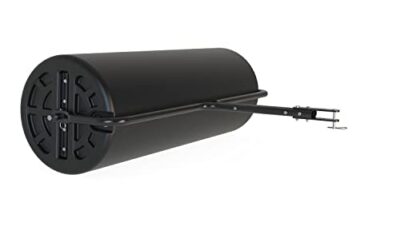
Pay close attention to soil firmness. Loose soil or eroded ruts make wheels track unpredictably. If your yard suffers from settled depressions or frost heaves, preparing the soil surface in early spring with tools like the best lawn roller for uneven ground can help level out subtle turf bumps before the regular cutting season begins.
Alternatives for Excessively Steep Banks
When a slope exceeds 15 to 20 degrees, the safest decision is often to stop mowing it altogether. Forcing a lawn mower across an extreme embankment creates ongoing personal danger and frequently results in thin, scalped turf that invites erosion and soil runoff.
Consider replacing high-risk turf areas with deep-rooting native groundcovers, creeping juniper, or ornamental grasses that require no regular cutting. Alternatively, terracing the embankment with retaining walls creates safe, level garden tiers that eliminate steep mowing entirely while improving moisture retention and landscape value.
Research Methodology and Trust
Our editorial analysis at Dove Creek Gardens is built upon rigorous, evidence-based garden equipment research. For this guide on how to mow a sloped lawn safely, we reviewed manufacturer safety documentation, operator manuals from major lawn equipment brands, and published technical guidance from occupational agricultural safety bodies. We analyzed mechanical attributes including deck weight, tire tread patterns, center-of-gravity calculations, and motor drive systems.
We do not conduct contrived obstacle-course testing or claim simulated hands-on roll tests. Instead, we synthesize documented manufacturer operating thresholds, real-world user feedback from homeowners managing hilly landscapes, and established outdoor power safety standards. Every recommendation reflects a cautious, risk-averse approach intended to protect home gardeners from preventable injuries.
All guidance and equipment categories within our Lawn Care & Power Equipment coverage are reviewed periodically, with our latest safety protocol audit conducted in September 2026. This regular review ensures our recommendations stay aligned with emerging battery equipment technologies, motor designs, and updated consumer safety advisories.
Frequently Asked Questions
What is the maximum slope you can safely mow with a riding mower?
Most manufacturers recommend a maximum incline of 10 to 15 degrees for standard lawn tractors. Zero-turn mowers should generally be restricted to slopes under 10 degrees due to their unpowered front caster wheels, which can slide sideways and cause a sudden loss of steering authority.
Why should you mow across a slope with a push mower instead of up and down?
Mowing across the slope prevents severe foot and leg injuries. If you slip while mowing up or down, your feet can slide under the cutting deck or the mower can slide backward over you. Moving horizontally ensures that a slip leaves you clear of the spinning blades.
Can you safely mow a sloped lawn when the grass is wet?
No, you should never cut sloped turf when it is wet or damp. Moisture drastically lowers tire grip and footwear friction, leading to uncontrolled slides, turf tearing, and a significantly heightened danger of slips and equipment rollovers.
Are battery-powered lawn mowers better for steep hills than gas mowers?
Battery mowers offer distinct mechanical benefits on hills because their electric motors do not rely on oil sumps for lubrication. Gas mowers can suffer oil starvation and engine damage when operated on prolonged tilts. Battery mowers are also generally lighter and easier to maneuver across grades.
What should I do if my lawn is too steep to mow safely?
For slopes exceeding 15 to 20 degrees, replace regular mowing with safer alternatives. You can maintain the area using a handheld string trimmer, build terraces with retaining walls, or replace turfgrass with deep-rooting erosion-control groundcovers such as creeping thyme, pachysandra, or native wild grasses.
Continue your garden research
Browse more practical guides in Lawn Care & Power Equipment.
For product comparisons, see Best Cordless Lawn Mower For Small Yards 2026: Reviews and Buying Guide.
See how Dove Creek Gardens researches and compares products.