

Knowing when to aerate and dethatch a lawn can make the difference between a thick, healthy yard and one that struggles with compacted soil or a thick thatch layer. This guide is written for homeowners, beginner gardeners, and anyone maintaining a home lawn who wants a clear, practical understanding of seasonal timing, warning signs that your lawn needs attention, and how to approach the job safely. It is especially useful for older gardeners or anyone new to lawn maintenance who wants straightforward, jargon-free explanations.
We reviewed available product data against the specific task of when to aerate and dethatch a lawn, along with the broader category of Lawn Care & Power Equipment. No aeration or dethatching equipment clearly matched this topic, so the guidance below concentrates on timing and technique. Rather than force an unrelated recommendation, this guide focuses on the timing, process, and decision-making that homeowners need most, so you can shop with confidence once you identify the right tool for your yard.
For additional lawn equipment coverage, visit our Lawn Care & Power Equipment category, where we regularly add reviews and buying guides as new products are evaluated.
When To Aerate And Dethatch A Lawn: A Practical Buying Guide
Understanding the difference between aerating and dethatching
Aeration involves removing small plugs of soil (or poking holes) to relieve compaction and let air, water, and nutrients reach grass roots. Dethatching removes the layer of dead grass, roots, and debris that builds up between the soil surface and the green blades. These are two different jobs that address two different problems, and a lawn may need one, both, or neither depending on its condition.
Homeowners often confuse the two tasks or assume every lawn needs both every year. In reality, checking your lawn’s actual condition, thatch thickness and soil compaction, is a better starting point than following a fixed calendar rule alone.
Timing based on grass type
Cool-season grasses, such as those common in northern climates, generally respond best to aeration and dethatching in early fall or early spring, when the grass is actively growing and can recover quickly. Warm-season grasses, common in southern regions, typically do best when these tasks are done in late spring through early summer, once the grass has fully greened up.
Working outside these windows can stress the lawn or open it up to weeds before it has a chance to recover, so matching the timing to your grass type is one of the most important decisions a homeowner makes.
Signs your lawn actually needs it
- Water pools on the surface instead of soaking in, suggesting compacted soil.
- The lawn feels spongy or springy underfoot, which can indicate excess thatch.
- Grass thins out or yellows in high-traffic areas.
- A thatch layer thicker than about half an inch is visible when you part the grass.
If none of these signs are present, aggressive aeration or dethatching may not be necessary that season, and light routine mowing and watering practices may be enough.
Choosing between manual, gas, and electric equipment
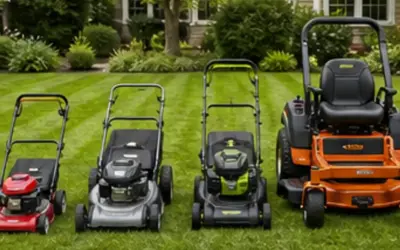
Lawn aeration and dethatching tools generally fall into manual, electric, and gas-powered categories. Manual tools, such as core aerators you step on or hand rakes, suit small yards and gardeners who prefer low-cost, low-maintenance options. Electric models are typically quieter and require less upkeep, making them a reasonable fit for suburban lots. Gas-powered equipment tends to cover ground faster and suits larger properties, though it usually comes with more maintenance and storage considerations.
Matching the power source to your yard size and physical comfort level matters. Older gardeners or those with mobility concerns may prefer lighter electric options or hiring a service for larger dethatching jobs, since these tools can be physically demanding to push or maneuver.
Common mistakes homeowners make
A frequent mistake is aerating or dethatching during summer heat or drought stress, when grass has less capacity to recover. Another common error is skipping a follow-up watering and light fertilization schedule after the work is done, which slows recovery. Some homeowners also dethatch every year regardless of need, which can unnecessarily stress a healthy lawn.
Maintenance and storage after use
After aerating, it is common practice to leave soil plugs on the lawn to break down naturally rather than removing them, since they return nutrients to the soil. After dethatching, collecting and composting the removed debris helps prevent it from smothering new growth. Any powered equipment should be cleaned of grass clippings and debris before storage to reduce rust and mechanical wear, and stored in a dry space such as a shed or garage.
Safety-conscious use
Always review the manufacturer’s manual before operating gas or electric lawn equipment, including instructions on tine depth adjustment, blade guards, and safe operation on slopes. Keep children and pets away from the work area while equipment is in use, and wear closed-toe shoes and eye protection when appropriate. If a fertilizer or weed treatment is planned around the same time, follow the product label and any local regulations regarding application timing near aeration or dethatching work.
Small-yard and accessibility considerations
For small yards, a manual aerator or handheld dethatching rake may be entirely sufficient and avoids the cost and storage space of powered equipment. For gardeners with limited strength or mobility, lightweight electric tools or professional lawn services can reduce physical strain while still achieving the seasonal goal of relieving compaction and thatch buildup.
Research Methodology And Trust
Our process began with screening the available product data specifically against the task of when to aerate and dethatch a lawn and the Lawn Care & Power Equipment category. This screening step checks whether a product’s stated purpose, features, and intended use genuinely align with aeration or dethatching tasks, rather than assuming relevance based on category alone.
After comparing the available product data, no items met the relevance threshold for this specific topic. Because we do not invent replacement products or substitute unrelated equipment, this guide prioritizes accurate, research-based timing and process guidance instead. This approach is research-based analysis of publicly available information and specifications, not a hands-on test conducted by our team.
As part of our August 2026 update cycle, we recheck product listings periodically and will add a product comparison section once items that clearly match aeration or dethatching equipment become available in our dataset.
Final Recommendations
Based on the current product data, we cannot recommend a specific aerator or dethatcher for this guide, since no available products clearly matched the task of when to aerate and dethatch a lawn. Rather than presenting an unrelated product as a stand-in, we recommend homeowners use the timing and equipment-type guidance above to identify the right category of tool, whether manual, electric, or gas-powered, based on yard size and physical comfort.
Once relevant aeration or dethatching equipment is added to our dataset, this section will be updated with clear picks such as an Overall Pick, Small-Space Pick, or Accessible Choice. In the meantime, visit our Lawn Care & Power Equipment category for related lawn maintenance coverage.
Frequently Asked Questions
When should I aerate and dethatch my lawn each year?
Timing depends on grass type. Cool-season lawns typically do best in early fall or early spring, while warm-season lawns generally respond better in late spring through early summer when growth is active.
Can I aerate and dethatch on the same day?
Some homeowners do both in the same session, but it can be more stressful on the lawn than spacing the tasks out. If your lawn shows signs of both compaction and heavy thatch, consider whether the grass is healthy enough to handle both at once, or space them a season apart.
How often does a lawn actually need this maintenance?
Not every lawn needs annual treatment. Checking for compaction signs, such as pooling water, and thatch thickness before deciding is generally more useful than following a fixed yearly schedule.
What size equipment fits a small yard?
Small yards are often well suited to manual aerators or handheld dethatching rakes, which avoid the cost, noise, and storage needs of powered equipment while still addressing light compaction or thatch buildup.
Is aerating or dethatching safe for older gardeners to do themselves?
Lightweight electric tools can reduce physical strain compared to gas equipment or manual core aerators. Anyone with mobility concerns may prefer these lighter options or consider hiring a lawn care service for larger properties.
How should I store aeration and dethatching tools?
Clean off grass clippings and soil debris after each use, then store the tool in a dry area such as a garage or shed to reduce rust and mechanical wear over time.
What should I do after aerating or dethatching?
Watering consistently and following a light fertilization schedule afterward supports recovery. Leaving soil plugs from aeration on the lawn to break down naturally is common practice, while dethatching debris is often collected and composted.