

Choosing between a string trimmer and a lawn edger is one of the most common questions homeowners face when they want cleaner lawn lines without extra strain. This guide is written for beginner gardeners, homeowners with yards of any size, older gardeners who value comfort and accessibility, and anyone working in a small yard who wants to understand which tool fits their needs. We set out to compare string trimmer vs lawn edger options currently listed for this site, but no product data was available that matched this topic closely enough to include here.
Because no qualifying products were supplied for this review, this guide focuses entirely on the decision factors that matter most when choosing between these two tools, rather than specific product recommendations. If you are researching other lawn care equipment, our Lawn Care & Power Equipment section covers related tools and can help you compare options as new products are added.
Below you will find a practical buying framework covering power source, cutting capacity, maneuverability, maintenance, and safety considerations for string trimmers and lawn edgers. This information is meant to help you evaluate any product you find on the market, using criteria that matter for real yard work rather than marketing language.
String Trimmer Vs Lawn Edger Buying Guide
Understanding the Difference Between the Two Tools
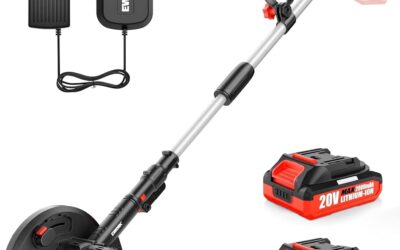
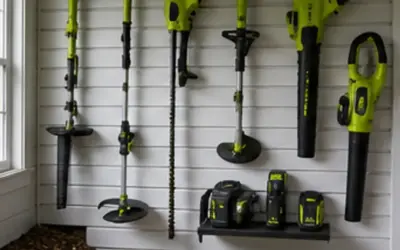
A string trimmer, sometimes called a weed eater, uses a spinning nylon line to cut grass and weeds in areas a mower cannot easily reach, such as around trees, fences, and garden beds. A lawn edger uses a rigid blade to cut a clean, defined line between the lawn and a hard surface like a sidewalk or driveway, or between the lawn and a garden bed. Some trimmers can be tilted or converted to perform light edging, but a dedicated edger typically produces a straighter, deeper cut along borders.
Understanding this distinction helps you decide whether you need one tool, both, or a hybrid model. Homeowners with mostly open lawn and few borders may only need a trimmer, while those with extensive sidewalk or driveway edges may find a dedicated edger produces cleaner, more consistent results over time.
Power Source Considerations
Both string trimmers and lawn edgers are available in gas, corded electric, and battery powered versions. Gas models generally offer more continuous power for larger properties but require fuel mixing and more maintenance. Corded electric models are lighter and simpler to maintain but limit you to the length of the extension cord. Battery powered models offer a middle ground with less maintenance than gas and more freedom of movement than corded tools, though actual runtime depends on the specific battery and model you choose.
When comparing any specific product, check the manufacturer listed runtime, charge time, and whether extra batteries are sold separately, since these details vary significantly between brands and models.
Cutting and Edging Capacity
For trimmers, cutting capacity is often described by the cutting swath, or the width of grass cleared in one pass, and the line diameter, which affects how tough a weed or grass the tool can handle. For edgers, capacity is usually described by cutting depth, which determines how deep a line can be cut into soil or turf along a border. Matching these specifications to your yard size and the toughness of your grass or weeds helps prevent buying a tool that struggles with your actual conditions.
Maneuverability and Handle Comfort
Older gardeners and anyone with limited grip strength or shoulder mobility should pay close attention to handle design. Look for adjustable shaft lengths, padded grips, and a balanced weight distribution that does not strain the wrist or lower back during extended use. A tool that is too heavy or awkwardly balanced can make even a short job feel exhausting, so trying a model in person or reading owner feedback about weight and balance is worthwhile before buying.
Maintenance and Line or Blade Upkeep
String trimmers require periodic line replacement or rewinding, and the ease of this task varies widely between bump feed, automatic feed, and manual reload systems. Lawn edgers require occasional blade sharpening or replacement, since a dull blade produces ragged edges and demands more effort to push through soil. Before buying either tool, check whether replacement parts are easy to find and reasonably priced, since ongoing upkeep affects the total cost of ownership over several seasons.
Storage and Small-Yard Fit
Both tools take up meaningful space in a garage or shed, so consider whether the model folds, collapses, or has a wall mount option if storage space is limited. Homeowners with small yards or patio gardens may find that a lightweight trimmer alone covers most of their needs, while larger properties with more hardscaping benefit from storing a dedicated edger alongside other lawn equipment.
Safety Practices to Follow
Both tools involve fast moving cutting components, so eye protection, closed toe shoes, and long pants are recommended regardless of which tool you choose. Always read the manufacturer manual before first use, keep bystanders and pets clear of the work area, and disconnect the battery or spark plug before performing any maintenance. Follow all local regulations regarding noise ordinances and yard equipment use, especially with gas powered models.
Common Mistakes to Avoid
A frequent mistake is buying a single tool expecting it to perform both jobs equally well. While some trimmers can angle into an edging position, they rarely match the clean, consistent line a dedicated edger produces along concrete borders. Another common mistake is underestimating maintenance needs, such as how often trimmer line must be replaced during a season of heavy use, which can add unexpected time and cost if not planned for in advance.
Research Methodology and Trust
Our process for this guide began with a relevance screening step, where we checked all supplied product data against the string trimmer vs lawn edger topic and the Lawn Care & Power Equipment category. In this case, no product listings were provided that matched the intended garden task closely enough to include with confidence, so we did not force unrelated or loosely matched items into this review.
When product data is available, our approach typically involves comparing listed specifications such as power source, cutting capacity, and weight, alongside owner feedback themes about comfort, durability, and ease of maintenance. This is a research based analysis rather than physical hands on testing, and we are transparent about that distinction throughout our reviews.
This guide was reviewed during July 2026 as part of our ongoing effort to keep buying guides current. As new string trimmer and lawn edger products become available for comparison, we will update this article with specific model recommendations based on verified specifications and documented owner experiences.
Final Recommendations
At this time, no products were supplied that match the string trimmer vs lawn edger topic closely enough to recommend with confidence. Rather than list unrelated equipment or invent specifications, we are keeping this section limited to guidance rather than product picks.
If you are ready to shop, use the buying guide above to evaluate any trimmer or edger you find by checking its power source, cutting capacity, handle comfort, and maintenance requirements against your yard size and physical comfort needs. Visit our Lawn Care & Power Equipment category for updates as new products are reviewed and added.
Frequently Asked Questions
Do I need both a string trimmer and a lawn edger?
Not necessarily. If your yard has few hard borders like sidewalks or driveways, a string trimmer alone may handle most trimming needs. If you have extensive concrete edges and want a clean, defined line, adding a dedicated edger often produces better results than a trimmer used at an angle.
Which tool is easier for older gardeners to use?
This depends on the specific model rather than the tool category alone. Look for lightweight designs, padded handles, and adjustable shafts in either a trimmer or an edger, since these features reduce strain on the wrists, shoulders, and lower back during extended use.
How often does trimmer line need to be replaced?
This varies by usage frequency, grass toughness, and the type of feed system on the trimmer. Owners commonly mention that automatic feed systems reduce hassle compared to manual bump feed systems, though replacement frequency still depends on how often the tool is used.
Can a string trimmer edge as well as a dedicated edger?
Some trimmers can be tilted to a vertical position for light edging, but they generally do not cut as deep or as straight a line as a dedicated edger blade. For homeowners who want crisp, consistent borders along walkways, a separate edger is usually the more reliable choice.
How should I store a string trimmer or lawn edger between seasons?
Store both tools in a dry space away from direct moisture, and follow the manufacturer instructions for fuel draining on gas models or battery storage on electric models. Keeping blades clean and line trimmer heads free of debris before storage helps extend the tool’s usable life.
What safety gear should I wear when using either tool?
Eye protection, closed toe shoes, and long pants are recommended for both string trimmers and lawn edgers due to the fast moving cutting components involved. Always read the manufacturer manual for specific safety guidance before first use.
Is a battery powered trimmer or edger enough for a small yard?
Battery powered models are often a good fit for small yards since they are lighter and easier to maneuver than gas models, though actual runtime and coverage depend on the specific battery and model. Check the manufacturer listed runtime against your yard size before purchasing.