

Choosing between a bypass pruner and an anvil pruner is one of the first decisions many home gardeners face when building out their pruning toolkit. This guide compares bypass pruner vs anvil pruner designs so you can understand which cutting action suits your plants, your hand strength, and your garden tasks. It is written for beginner gardeners, homeowners maintaining shrubs and small trees, and older gardeners who want a tool that is comfortable to use over long sessions.
At the time of publishing, no specific products were available for direct comparison in this guide. Because of that, this article focuses on the practical differences between bypass and anvil pruner mechanisms, how each performs on live versus dead plant material, and what selection criteria matter most before you shop. For more pruning tool coverage, visit our Garden Tools & Pruning section.
If you already own a favorite bypass or anvil pruner, use the criteria below to confirm it fits your typical pruning jobs. If you are shopping for a new pair, these factors will help you narrow the field once specific product options are available.
Bypass Pruner Vs Anvil Pruner Buying Guide
Understanding the Cutting Action
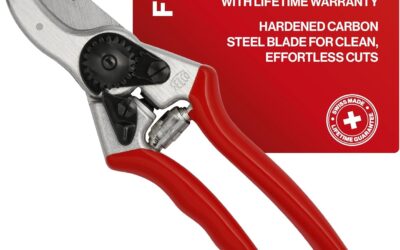
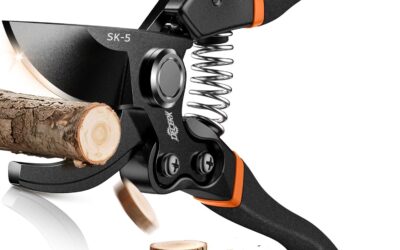
A bypass pruner works like scissors, with a sharp curved blade sliding past a lower blade to make a clean cut. This design is generally suited to live, green stems because it leaves a smoother cut surface that can heal more predictably. An anvil pruner uses a single straight blade that closes onto a flat surface, crushing through the material rather than slicing past it. This style is often chosen for dry or dead wood, where a crushing cut is less of a concern.
Cutting Capacity and Leverage
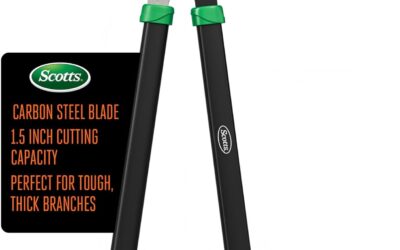
Cutting capacity refers to the maximum stem diameter a pruner can handle comfortably. Anvil pruners typically offer more leverage for their size because the blade meets a flat anvil surface, which can make them feel more efficient on thicker, woodier stems. Bypass pruners rely on blade sharpness and pivot design for leverage, so cutting capacity can vary more by model and blade quality.
Blade Material and Sharpness
Blade material affects how long a pruner holds an edge and how easily it can be resharpened. When shopping, look for any blade material specifications listed by the manufacturer, since this detail is often tied to durability and maintenance needs. A dull blade on either style can crush stems and increase the risk of disease entering the plant, so sharpness matters regardless of which mechanism you choose.
Handle Comfort and Accessibility
For older gardeners or anyone with limited grip strength, handle design can matter as much as blade style. Ergonomic grips, cushioned handles, and lighter overall weight reduce hand fatigue during longer pruning sessions. Some pruners also include a locking mechanism for safer storage, which is worth checking before buying if the tool will be stored around children or pets.
Weight and Everyday Use
A heavier pruner can feel more solid but may tire your hand faster during extended use, such as deadheading flowers or trimming a hedge row. Lighter pruners are generally easier to carry and maneuver in tight spaces, which matters for small-yard gardeners working around containers or raised beds.
Common Mistakes to Avoid
A frequent mistake is using an anvil pruner on live, green growth, which can crush the stem and leave a ragged wound that heals poorly. Another common error is using a bypass pruner on thick, dead wood beyond its rated capacity, which can strain the blades or spring. Matching the tool to the task, live stems with bypass, dead or dry wood with anvil, helps avoid unnecessary plant damage and tool wear.
Maintenance and Storage
Both pruner types benefit from regular cleaning to remove sap and plant residue, along with occasional sharpening to keep cuts clean. Storing pruners in a dry location, ideally with the blade locked closed, helps prevent rust and accidental cuts. A dedicated spot in a garden shed, storage bench, or wall-mounted tool rack keeps pruners accessible without cluttering a workspace.
Safety-Conscious Use
Always cut at a comfortable angle and keep fingers clear of the blade path, regardless of pruner style. Follow any manufacturer guidance on maximum stem diameter, since forcing a cut beyond rated capacity can damage the tool or cause it to slip. Wearing gardening gloves adds a layer of protection when working with thorny or dense shrubs.
Research Methodology and Trust
This guide was developed by reviewing the general mechanical differences between bypass and anvil pruner designs, since no specific product listings were available for direct comparison at the time of writing. Rather than relying on hands-on testing, this analysis focuses on how each cutting mechanism interacts with live versus dead plant material, a distinction that is well established among pruning tool categories.
Because no product data was supplied for this comparison, we are not able to rank specific brands or models here. Once relevant, verified product specifications become available, this guide can be updated to include side-by-side comparisons of cutting capacity, blade material, and handle design.
This page will continue to be reviewed and updated during August 2026 as new information becomes available. Our goal is to give home gardeners a reliable starting point for understanding pruner mechanisms before making a purchase, rather than presenting unverified product claims.
Final Recommendations
No specific bypass or anvil pruner products were available to evaluate for this guide, so we are not able to name a top pick, budget pick, or any other labeled recommendation at this time. Making a specific product recommendation without verified data would not serve home gardeners well.
Instead, use the buying guide above to identify whether a bypass or anvil design better fits your typical pruning tasks. If most of your work involves live stems and shrubs, a bypass pruner is generally the more commonly suited choice, while anvil pruners are more often chosen for dry or dead wood cleanup.
Check back as this guide is updated with specific product comparisons once relevant listings are available.
Frequently Asked Questions
Which is better for beginners, a bypass pruner or an anvil pruner?
Bypass pruners are generally easier for beginners to use across a wider range of everyday tasks, since most home pruning involves live stems and green growth. Anvil pruners can be useful as a second tool once you regularly deal with dead or dry wood.
Can I use an anvil pruner on live plants?
Using an anvil pruner on live, green stems can crush the plant tissue rather than cleanly slicing it, which may slow healing. For live growth, a bypass pruner is generally the more suitable choice.
How do I maintain a bypass or anvil pruner?
Wipe blades clean after each use to remove sap and debris, and sharpen them periodically to maintain a clean cutting edge. Storing the tool dry and locked closed helps prevent rust and accidental opening.
How long does a pruner typically last?
Lifespan depends heavily on build quality, blade material, and how well the tool is maintained, so this varies by product. Regular cleaning and sharpening tend to extend the useful life of either pruner style.
Is one pruner style safer than the other?
Neither style is inherently safer, but both require careful handling and attention to rated cutting capacity. Using the correct pruner for the task, live versus dead material, reduces the chance of tool slippage or plant damage.
Do I need both a bypass and an anvil pruner?
Many home gardeners find it helpful to own both, using bypass pruners for regular shaping and deadheading and anvil pruners for clearing dead or dry branches. If you only want one tool, a bypass pruner generally covers more everyday garden tasks.
Which pruner style is better for small gardens or containers?
For small-space gardening, such as container plants or compact raised beds, a lightweight bypass pruner is often easier to maneuver in tight areas. Look for a compact size and comfortable grip if storage space and hand fatigue are concerns.