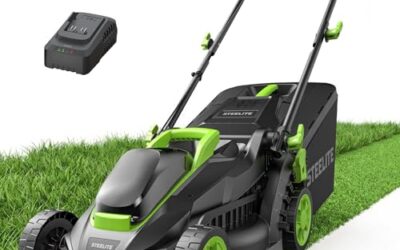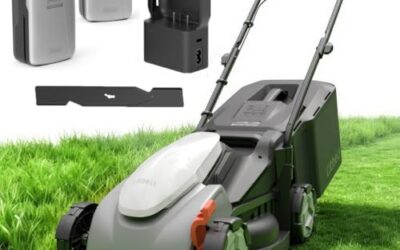



Choosing the best walk behind lawn mower comes down to matching your yard size, physical comfort, and storage constraints with the right power system. A compact city lot with smooth turf has vastly different requirements than a rolling quarter-acre lawn with thick weeds. Modern options range from ultra-lightweight corded electric units to self-propelled gas machines engineered to handle dense growth without straining your shoulders.
To help homeowners navigate these choices, we analyzed 3 distinct models representing corded electric, 40V cordless battery, and self-propelled gas drive systems. Whether you are maintaining a tidy garden border or leveling rough patches before using a lawn roller for uneven ground, having the correct cutting width, deck height adjustment, and propulsion mechanism makes routine lawn care far more manageable.
In this guide, we break down essential evaluation criteria including deck size, weight, power delivery, clipping management, and ongoing maintenance demands so you can select the most practical mower for your property.
LawnMaster MEB1114K Corded Electric Lawn Mower for Compact, Easy-to-Store Lawn Care Greenworks 25322 40V 16-Inch Cordless Push Mower for Small Lawns YARDMAX YG2860 22-Inch Self-Propelled Gas Mower for Adjustable-Pace Lawn Cutting Prices and availability can change. We may earn a commission from qualifying purchases.


Pros
- Corded operation avoids gasoline and battery charging requirements.
- Compact, lightweight design may be easier to maneuver and store in smaller homes or sheds.
- Adjustable cutting height gives homeowners more control over the finished grass height.
- Included collection bag helps reduce the need to rake clippings after mowing.
Cons
- Corded operation requires access to a suitable power connection and careful cord management while mowing.
- The 14-inch listed cutting width may require more passes on larger lawns than a wider mower.
- Gardeners who need cordless mobility or mowing for expansive yards may prefer a different power format.
The LawnMaster MEB1114K is a compact electric walk-behind lawn mower intended for routine grass cutting around a home. Its lightweight design, listed at about 28 pounds, may suit beginners, older gardeners, and homeowners who want a mower that is easier to push and store than a larger model.
Its listed 3,300 RPM motor speed and 14-inch cutting width are aimed at straightforward lawn maintenance. Five cutting positions, ranging from 1.4 to 3 inches, let you choose a shorter or taller finish based on your lawn-care preference and current grass conditions.
The mower uses corded electric power, so mowing requires access to a suitable power connection and attention to keeping the cord clear of the cutting path. The 7.75-inch rear wheels are intended to support maneuverability, while the 7-gallon collection bag gathers clippings during mowing.
With listed dimensions of 26.9 by 16.4 by 12.8 inches and folding push handles, this mower may be a useful fit for smaller yards, narrow storage areas, and homes where compact equipment is important. The narrower cutting width can also make it easier to work around lawn edges and confined sections.
The main tradeoff is that corded mowing is less mobile than battery-powered equipment, and the 14-inch cutting width could require more passes across a larger lawn. Based on the listed specifications, it is best suited to homeowners seeking a lightweight, adjustable mower for smaller or moderately sized lawn areas, while gardeners needing cordless freedom or a wider cutting path should consider another option.
Best For / Avoid If
Best for buyers prioritizing
- Corded operation avoids gasoline and battery charging requirements.
- Compact, lightweight design may be easier to maneuver and store in smaller homes or sheds.
- Adjustable cutting height gives homeowners more control over the finished grass height.
Consider another option if
- Corded operation requires access to a suitable power connection and careful cord management while mowing.
- The 14-inch listed cutting width may require more passes on larger lawns than a wider mower.
- Gardeners who need cordless mobility or mowing for expansive yards may prefer a different power format.
Pros
- Battery-powered operation means no gas storage, oil changes, or exhaust emissions during use.
- Comes with the mower, grass collection bag, 4.0Ah battery, charger, and owner’s manual.
- Compatible with the Greenworks 40V battery platform listed for 75+ tools.
- Five cutting-height positions provide useful flexibility for routine lawn care.
- 3-year warranty is listed in the product specifications.
Cons
- The stated 35-minute average battery life and up to 1/3-acre coverage can vary with grass condition and mowing technique.
- A 16-inch cutting width may require more passes on larger lawns than wider walk-behind mowers.
- Manual push operation may be less suitable for users who need self-propelled assistance on larger slopes or difficult terrain.
The Greenworks 25322 is a 40V cordless push lawn mower built for routine residential mowing without the fuel, oil, and pull-start routine of a gas mower. It uses a 16-inch cutting deck and includes a 4.0Ah lithium-ion battery, charger, grass collection bag, and owner’s manual. For homeowners, beginners, and gardeners maintaining smaller lawn areas around beds, patios, fences, and walkways, the feature set is straightforward and easy to understand.
Its main practical advantage is cordless convenience. The product information states that it can cut up to 1/3 acre on a fully charged 4.0Ah battery, though that will vary with grass thickness, moisture, terrain, and operator technique. The listed average battery life is 35 minutes, so it is best matched to yards that can be mowed in shorter sessions rather than large properties that demand extended runtime.
The mower has a single-lever 5-position height adjustment, with a listed range from 1.25 inches to 3.75 inches. That matters for home lawns because seasonal growth, heat stress, and turf type can call for different cutting heights. The 2-in-1 system allows mulching or rear bagging, so you can either return fine clippings to the lawn or collect them when the grass is taller or when you want a cleaner finish near paths and garden edges.
At 37.5 pounds, this mower is relatively easy to move and store compared with many heavier walk-behind machines, and the plastic deck helps keep the weight down. The product data also lists collapsible handles and no required assembly, which can be helpful for gardeners with limited garage or shed space. Its 50.79 by 18.9 by 38.98-inch listed dimensions and 16-inch deck make it especially relevant for suburban yards, small front lawns, townhouse lawns, and tighter mowing routes around ornamental plantings.
There are a few realistic limits to consider. The 16-inch cutting width is convenient in tight spaces but will take more passes on broad lawns than a wider mower. Battery performance can change with dense, wet, or overgrown grass, so keeping the lawn on a regular mowing schedule will help. As with any mower, read the owner’s manual, keep hands and feet away from the blade area, remove debris before mowing, and disconnect the battery before cleaning or blade maintenance.
This is a sensible choice for homeowners who want a lighter, lower-maintenance cordless mower and may already own or plan to buy into the Greenworks 40V tool system. Gardeners with larger lawns, frequent heavy growth, or a need for self-propelled drive may want to compare it with wider-deck or higher-capacity options before deciding.
Best For / Avoid If
Best for buyers prioritizing
- Battery-powered operation means no gas storage, oil changes, or exhaust emissions during use.
- Comes with the mower, grass collection bag, 4.0Ah battery, charger, and owner’s manual.
- Compatible with the Greenworks 40V battery platform listed for 75+ tools.
Consider another option if
- The stated 35-minute average battery life and up to 1/3-acre coverage can vary with grass condition and mowing technique.
- A 16-inch cutting width may require more passes on larger lawns than wider walk-behind mowers.
- Manual push operation may be less suitable for users who need self-propelled assistance on larger slopes or difficult terrain.
Pros
- 201cc OHV gas engine provides a strong power source for a 22-inch walk-behind mower.
- Continuously variable transmission with 6 selectable speeds offers more pace flexibility than a fixed-speed mower.
- High rear wheels and spiked tread tires are useful features for lawns with bumps or uneven patches.
- Deck washout port and folding handle design can make maintenance and storage more convenient.
Cons
- At 84.9 pounds, it may feel heavy for users who need to lift, load, or frequently maneuver the mower by hand.
- As a gas mower, it could require more routine engine care than an electric model.
- Front-wheel drive may be less ideal for some users who regularly mow steep or very hilly areas.
The YARDMAX YG2860 is a 22-inch gas walk-behind lawn mower built for homeowners who want self-propelled assistance rather than pushing a mower entirely by hand. Based on the listed specifications, it uses a 201cc OHV YARDMAX engine, front-wheel drive, and a 3-in-1 cutting setup for mulching, rear bagging, or side discharge.
The standout feature is the Select PACE continuously variable transmission, which uses a 6-speed shift lever to adjust mower pace to the operator’s walking speed. For gardeners and homeowners who prefer a steadier, more comfortable mowing rhythm, that speed flexibility can be more useful than a simple single-speed drive system.
The mower includes seven cutting heights from 1.38 inches to 3.55 inches, controlled by a single lever. That makes seasonal height changes simpler, whether you are trimming a regularly maintained lawn or leaving grass a bit taller during hot, dry periods. The MaxFlow volute deck is described as helping keep clippings airborne longer for mulching or moving them into the rear bag when needed.
For yard conditions that are not perfectly flat, the high rear wheels and aggressive spiked tread rubber tires are practical design choices. The product information also notes double ball bearings in the wheels, a deck washout port for cleaning under the deck, and a folding design that can help in smaller garage or shed spaces.
There are a few practical considerations. This mower is listed at 84.9 pounds, so it may not be the easiest choice for someone who needs to lift it into storage or transport it often. It is also a gas-powered mower, which means owners should expect fuel handling and routine engine maintenance according to the manual. As with any mower, safe operation includes wearing sturdy footwear, keeping hands and feet away from the deck, and clearing debris before cutting.
Overall, the YARDMAX YG2860 is a sensible option for homeowners who want a self-propelled gas mower with adjustable pace control, flexible clipping management, and convenient height adjustment. Gardeners who prioritize the lightest possible mower, quiet operation, or minimal engine upkeep may want to compare it with electric alternatives before deciding.
Best For / Avoid If
Best for buyers prioritizing
- 201cc OHV gas engine provides a strong power source for a 22-inch walk-behind mower.
- Continuously variable transmission with 6 selectable speeds offers more pace flexibility than a fixed-speed mower.
- High rear wheels and spiked tread tires are useful features for lawns with bumps or uneven patches.
Consider another option if
- At 84.9 pounds, it may feel heavy for users who need to lift, load, or frequently maneuver the mower by hand.
- As a gas mower, it could require more routine engine care than an electric model.
- Front-wheel drive may be less ideal for some users who regularly mow steep or very hilly areas.
Practical Best Walk Behind Lawn Mower Buying Guide
Power Source Tradeoffs: Corded, Cordless, and Gas
The power delivery method determines both your cutting range and the physical effort required to operate the machine. Corded electric mowers provide continuous runtime at a low entry price point, but they limit your range to the length of an outdoor extension cord and require constant cord awareness around trees and flower beds. Cordless battery systems eliminate fuel mixing and tripping hazards, offering push-button starts and quiet operation, though runtime is bound to battery amp-hour capacity.
Gas engines deliver maximum torque and cutting autonomy for larger lots. They can power through tall, overgrown turf without bogging down, but they require regular engine oil checks, fresh fuel stabilization, air filter cleaning, and routine spark plug maintenance that electric platforms completely avoid.
Cutting Width and Yard Size Compatibility
Cutting width directly influences how many passes you must make across your turf. A compact 14-inch to 16-inch deck is nimble, navigating narrow gates, tight pathways between raised planters, and tight garden curves with ease. These narrower decks are best suited for small urban yards up to one-third of an acre.
A wider 22-inch cutting deck significantly reduces mowing time across medium to large suburban lawns. However, wider decks increase overall machine weight and require broader clearance through gates and garage storage corridors, making them less practical for cramped properties.
Push Versus Self-Propelled Drive Systems
Standard manual push mowers rely strictly on physical effort. While this is rarely a problem with lightweight electric units weighing under 40 pounds, pushing a heavy steel-deck mower over uneven terrain or uphill slopes can quickly lead to fatigue. Push models give the operator precise control when trimming carefully around fragile flower beds.
Self-propelled mowers transfer engine power directly to the drive wheels. Front-wheel-drive systems with variable transmissions allow you to match the machine pace to your natural walking gait. This feature is especially beneficial for older gardeners or anyone managing gradual slopes, as it dramatically reduces physical strain during extended mowing sessions.
Clipping Management: Bagging, Mulching, and Side Discharge
How you handle grass clippings affects turf health and post-mow cleanup. Rear collection bags gather clippings neatly, preventing debris from blowing into ornamental garden beds or across paved walkways. Smaller collection bags fill quickly on fast-growing spring turf and require frequent emptying.
Mulching chops grass blades into fine particles that decompose quickly, returning valuable nitrogen back into the soil profile. 3-in-1 systems that also offer side discharge provide extra versatility when tackling tall, moisture-heavy grass where bagging or mulching might otherwise clog the under-deck chamber.
Deck Height Adjustment and Ergonomics
Turf species thrive at specific cut heights, making quick height adjustments an important operational feature. Single-lever height adjustment systems allow you to raise or lower all four wheels simultaneously with one motion, saving time compared to older designs that require adjusting individual wheel pins.
Ergonomics also extend to handle configuration and wheel construction. Larger rear wheels roll more easily over divots and bumpy soil, while rubber tires with aggressive tread patterns enhance forward traction on damp slopes without tearing into the lawn turf.
Storage Constraints and Folding Designs
Garden shed and garage floor space is often limited. Compact electric mowers with quick-folding handle assemblies can be stored upright or tucked under workbench shelves when not in use. Heavier gas units demand dedicated floor space and cannot be tilted freely without risking fuel or engine oil migration into the air filter.
| Mower Model | Power Type | Cut Width | Weight / Drive | Key Advantage |
|---|---|---|---|---|
| LawnMaster MEB1114K | 11A Corded Electric | 14-inch | 28 lbs / Push | Ultra-lightweight, compact folding storage |
| Greenworks 40V Cordless | 40V Battery (4.0Ah) | 16-inch | Lightweight composite / Push | Cord-free, quiet, push-button instant start |
| YARDMAX YG2860 | 201cc Gas Engine | 22-inch | High-wheel / Self-Propelled FWD | Wide path, 6-speed CVT pace adjustment |
Research Methodology and Trust
Our evaluation process for the best walk behind lawn mower focuses on verified manufacturer specifications, engineering blueprints, mechanical features, and widespread owner feedback. We screened available models across the market to eliminate units with poor reliability records, fragile deck assemblies, or inconsistent starting mechanisms.
Rather than claiming simulated laboratory conditions, our analysis synthesizes documented data points relevant to real-world residential garden upkeep. We compared cutting width efficiency, motor and engine output ratings, single-lever adjustment usability, clipping disposal options, and long-term storage profiles.
Product specifications and warranty terms reflect documented manufacturer standards as updated for September 2026. This balanced approach helps readers weigh practical tradeoffs between zero-emission simplicity and high-torque outdoor cutting performance without marketing exaggerations.
Frequently Asked Questions
What size cutting deck do I need for my walk behind lawn mower?
For yards under one-third of an acre or properties with narrow landscaping gates, a 14-inch to 16-inch cutting deck provides excellent agility and easy maneuvering around garden beds. Properties measuring one-third of an acre or larger benefit from a 21-inch to 22-inch deck, which cuts a wider swath and substantially reduces total mowing time.
How does a self-propelled walk behind lawn mower differ from a push model?
A manual push mower relies entirely on your physical strength to move forward across the turf. A self-propelled mower engages a drive transmission connected to the wheels, pulling the machine forward so you only need to guide its direction, which greatly reduces fatigue on inclines and across thick grass.
Are cordless battery walk behind lawn mowers powerful enough for thick grass?
Modern 40V cordless mowers deliver ample power for regularly maintained residential turf up to one-third of an acre. However, if grass is excessively wet, overgrown, or dense, battery runtime decreases faster, making it advisable to mow at a higher deck setting or keep a spare charged battery on hand.
What routine maintenance does a gas walk behind lawn mower require?
Gas mowers require seasonal engine oil changes, regular air filter inspections, spark plug maintenance, and fuel stabilizer additions before winter storage. Using the built-in deck cleanout port to wash away compacted grass clippings after each mow also prevents rust and maintains proper blade airflow under the deck.
Can I leave a corded electric lawn mower outside?
No, corded electric mowers should always be stored indoors in a dry shed or garage. Exposure to rain, morning dew, and outdoor humidity can damage internal electrical switches, corrode the motor wiring, and degrade the plastic chassis over time.