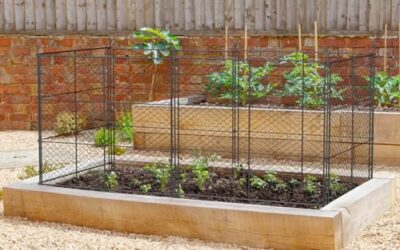



A vegetable garden that struggles with poor fruit set, small squash, or thin bean harvests often has one thing in common: not enough pollinator activity. Learning how to attract pollinators to a vegetable garden matters for beginner gardeners who are still building their first beds, homeowners who want a more productive yard, older gardeners who prefer low-maintenance solutions, and anyone growing food in a small space where every blossom counts. This guide focuses on the practical decision factors that matter most when planning a pollinator-friendly vegetable garden, from plant selection to habitat features and safe pest management.
This guide focuses on the selection criteria, habitat concepts, and safety considerations that homeowners should use when evaluating pollinator-related products on their own, since attracting pollinators depends mainly on plant choice and habitat setup rather than any single product.
If you are also dealing with rabbits, deer, or insect pests alongside your pollinator planning, our Garden Pest & Wildlife section covers related solutions that can work alongside a pollinator-friendly setup.
Bee Houses for Supporting Garden Pollinators
These four bee houses offer different tube materials, weather protection, and maintenance approaches. A bee house can support cavity-nesting native bees, but it works best alongside pesticide-aware practices, season-long flowers, clean water, and proper annual tube maintenance.
BestNest Woodlink Western Cedar Mason Bee House for Solitary Pollinator Nesting POLLIBEE Wax-Coated Mason Bee House for Easy Garden Pollinator Habitat Rivajam Beekeeper Pro Mach II Mason Bee House for Weather-Protected Native Bee Nesting POLLIBEE Wax-Coated Mason Bee House for Garden Pollinator Nesting Prices and availability can change. We may earn a commission from qualifying purchases.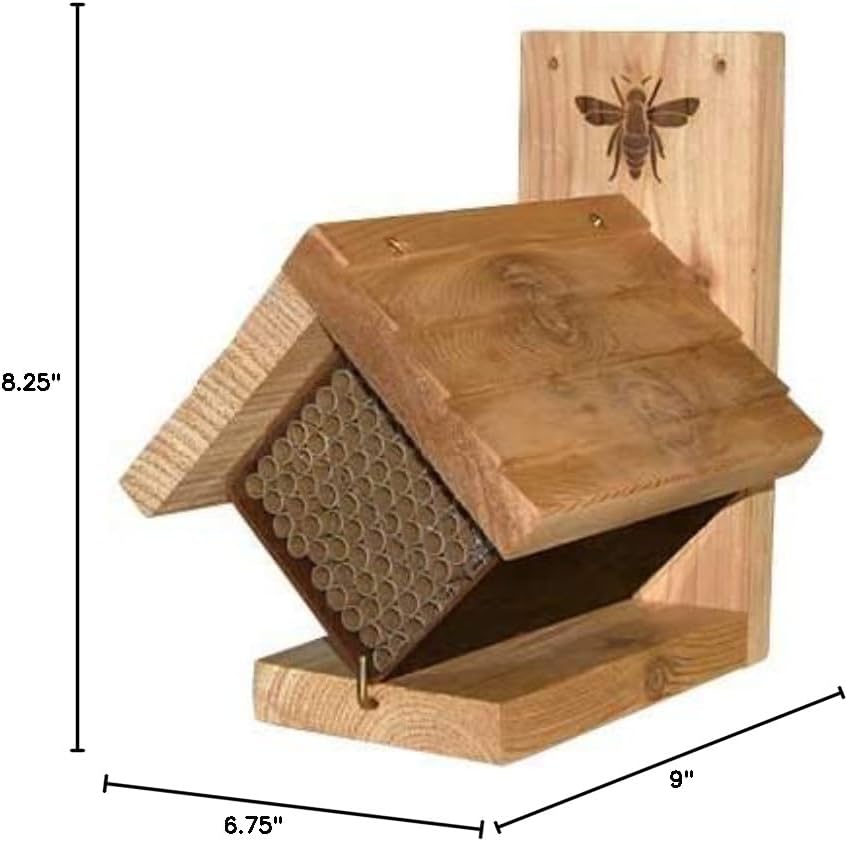


Pros
- Purpose-built for gentle solitary pollinators rather than general insect use.
- Cedar wood and a classic pitched-roof style give it a natural look in garden settings.
- Replaceable nesting tubes make routine seasonal maintenance more practical.
- No assembly is listed as required, which is helpful for beginners or gift use.
Cons
- The product information does not specify replacement tube availability or the exact number of tubes included.
- Gardeners wanting a larger multi-species insect hotel may prefer a broader habitat design.
- Bee occupancy is not guaranteed and will depend on local solitary bee presence and placement conditions.
The Woodlink Western Cedar Mason Bee House from BestNest is a compact nesting shelter for solitary pollinators, especially mason bees, orchard bees, and hornfaced bees. It is meant for gardeners who want to encourage beneficial bee activity around fruiting plants, flowers, vegetables, or a backyard habitat garden without keeping honeybees.
Its main practical value is the replaceable tube system. The product information indicates that fiberboard tubes are held in a plastic diamond-shaped insert, and both the tubes and insert can be replaced annually. For a mason bee house, that matters because seasonal cleaning and tube replacement are important parts of maintaining a healthier nesting site.
The body is made with western cedar and plastic components, with a brown, classic rustic style that should blend easily into many garden spaces. Listed dimensions are 8.25 inches deep by 6.75 inches wide by 9 inches high, and the listed weight is 1.74 pounds. Assembly is not required, so setup is mainly about choosing a stable, appropriate location.
Installation options are flexible for a small yard or patio garden. The extended back panel allows the house to be attached to a wall or post with the included screws, while the flat base also allows placement on a level surface. A mounted position may be preferable in many gardens because it can keep the shelter steadier and easier to observe during the active season.
This is not a pest-control product and it should not be expected to guarantee bee occupancy. Solitary bees need to already be present in the area, and gardeners should avoid disturbing occupied tubes. The replaceable tubes are a useful maintenance feature, but buyers may want to confirm a source for future replacement tubes before the next nesting season.
Overall, this bee house is best suited to homeowners, beginner habitat gardeners, and small-space growers who want a tidy cedar shelter focused on mason-type bees. Gardeners looking for a large decorative insect hotel for many insect species, or a fully specified kit with detailed replacement quantities, may want to compare other options before choosing.
Best For / Avoid If
Best for buyers prioritizing
- Purpose-built for gentle solitary pollinators rather than general insect use.
- Cedar wood and a classic pitched-roof style give it a natural look in garden settings.
- Replaceable nesting tubes make routine seasonal maintenance more practical.
Consider another option if
- The product information does not specify replacement tube availability or the exact number of tubes included.
- Gardeners wanting a larger multi-species insect hotel may prefer a broader habitat design.
- Bee occupancy is not guaranteed and will depend on local solitary bee presence and placement conditions.
Pros
- No assembly required, which makes setup straightforward for new gardeners.
- Replaceable paper tubes support easier upkeep from season to season.
- Compact size is convenient where garden space is limited.
- Reviewers commonly mention that it looks clean, feels sturdy, and is easy to hang.
- Designed specifically for mason bees rather than general decorative insect use.
Cons
- Gardeners wanting a larger pollinator station may find the 6-inch cube size modest.
- Like any mason bee house, it should be monitored and maintained rather than left outdoors indefinitely without attention.
- One reviewer reported missing tubes in a unit, so it is worth checking the contents when it arrives.
The POLLIBEE Mason Bee House is a compact wooden bee hotel intended to provide nesting space for mason bees in a home garden. Based on the listed specifications, it is best suited for gardeners who want a simple, ready-to-use pollinator habitat near flowers, fruit trees, raised beds, or patio plantings without managing a full honeybee hive.
The main gardening benefit is its focus on peaceful solitary bee pollinators. The product information indicates that the kraft paper tubes measure 5/16 inch in diameter and 6 inches long, dimensions listed as appropriate for mason bees. Attracting mason bees can support pollination activity in the garden, though results will depend on local bee populations, placement, season, and surrounding food sources.
The design is straightforward: a wax-coated wooden body, replaceable kraft paper tubes, and a natural wooden appearance. It measures 6 x 6 x 6 inches and weighs about 1.9 pounds, so it is small enough for a fence line, shed wall, garden stake area, or tucked-in pollinator bed. The product arrives assembled and includes a stainless steel screw clasp on the back, a 1 meter rope, hooks, and nails for hanging options.
For small-space gardeners, this bee house can fit near container gardens, balcony-style plantings where outdoor mounting is available, or the edge of a raised-bed area. Homeowners with fruiting plants or ornamental flowers may appreciate that it offers a defined nesting location without taking up much room. Reviewers commonly describe it as good-looking, sturdy, and easy to hang, and several mention the convenience of removable or replaceable tubes.
There are a few practical limits to keep in mind. The 6-inch cube size is convenient, but gardeners hoping to create a larger mason bee habitat may prefer multiple houses or a larger design. As with any bee hotel, placement and maintenance matter: keep it securely mounted, avoid disturbing active nesting tubes, and plan to inspect or replace paper tubes as needed according to mason bee care practices. Check the tube count and hardware when it arrives, since one reviewer reported missing tubes.
Overall, this is a sensible option for beginners and backyard gardeners who want a neat, compact mason bee house with replaceable tubes and simple installation. Gardeners who want a larger habitat, a different tube system, or a more involved pollinator management setup may want to compare other bee house formats before choosing.
Best For / Avoid If
Best for buyers prioritizing
- No assembly required, which makes setup straightforward for new gardeners.
- Replaceable paper tubes support easier upkeep from season to season.
- Compact size is convenient where garden space is limited.
Consider another option if
- Gardeners wanting a larger pollinator station may find the 6-inch cube size modest.
- Like any mason bee house, it should be monitored and maintained rather than left outdoors indefinitely without attention.
- One reviewer reported missing tubes in a unit, so it is worth checking the contents when it arrives.
Pros
- Includes the native bee house and tubes, so it arrives ready for mounting.
- Removable and replaceable tubes support cleaner long-term use when refills are purchased separately.
- Metal roof and waterproof lacquer are practical upgrades for an outdoor insect hotel.
- No assembly is listed as required, which is helpful for beginners or gift recipients.
Cons
- Replacement tube packs are sold separately, so ongoing maintenance may require future purchases.
- Gardeners wanting a larger pollinator station may find the compact size limiting.
- One reviewer reported poor included screw quality, so some users may prefer to use their own mounting hardware.
The Rivajam Beekeeper Pro Mach II is a mason bee house intended to provide nesting habitat for native bees in a home garden setting. Based on the listed specifications, it is a compact pine wood insect hotel with cardboard nesting tubes, a rustic style, and a silver pressed metal roof. It is a good fit for homeowners, beginner pollinator gardeners, and gift buyers who want a more purposeful alternative to a purely decorative bug hotel.
The main practical benefit is nest access. The product information indicates that the cardboard tubes are removable and replaceable, which matters because mason bee houses generally need periodic attention to keep nesting spaces cleaner and more usable over time. Refill packs are available separately from the brand, so gardeners can refresh the house rather than discarding the entire unit.
For outdoor durability, this model pairs a pine wood body with a waterproof lacquer and a metal roof designed to cover the nesting area. Those features are useful for a bee house that may be mounted near a garden bed, along a fence, or on a sheltered tree or post. The house measures 5.7 inches deep, 4.7 inches wide, and 5.5 inches high, so it is small enough for tight backyard spaces while still offering multiple tube openings for native bee nesting.
Installation appears beginner friendly. The product is listed as requiring no assembly and includes pre-installed mounting hooks and screws. Reviewers commonly mention that the house looks attractive in the yard, and several report that bees used it, although bee activity will always depend on local native bee populations, nearby flowers, seasonal timing, and proper placement.
A balanced expectation is important. This is not a honeybee hive, and it should not be treated like one. It is a nesting aid for solitary native bees, so gardeners should avoid spraying pesticides nearby and should plan for routine tube replacement or inspection according to responsible mason bee house care practices. The supplied screws may be adequate for some setups, but one reviewer reported a screw shearing during installation, so cautious installers may prefer using their own exterior-grade hardware.
Overall, the Rivajam Beekeeper Pro Mach II is best for gardeners who want a compact, weather-conscious mason bee house with replaceable nesting tubes and simple mounting. Those who want a large-scale habitat, a fully hands-off setup, or a bee house with all future replacement tubes included may want to compare larger or more complete options.
Pros
- No assembly required, so it can be placed in the garden soon after unpacking.
- Uses replaceable kraft paper tubes, which can make routine bee house maintenance more practical.
- Natural wood construction with a brown, modern style gives it a decorative appearance for visible garden areas.
- Reviewers commonly mention that the design looks attractive and feels well made.
- Compact size is easy to fit near flower beds, vegetable gardens, or backyard fruit trees.
Cons
- Attracting mason bees depends on local bee populations, timing, habitat, and placement, so occupancy is not guaranteed.
- Paper tubes will need periodic replacement as part of responsible bee house maintenance.
- One reviewer reported rust on the metal hardware after rain, so gardeners in wet climates may want to inspect the mounting parts regularly.
The POLLIBEE Mason Bee House is a small wooden nesting shelter intended to attract mason bees to garden spaces. Based on the listed specifications, it is designed for homeowners, beginners, and pollinator-minded gardeners who want to support bee activity around flowers, fruit trees, raised beds, or compact backyard plantings without managing a honey bee hive.
The most useful feature is the replaceable kraft paper tube system. The product information lists each tube at 5/16 inch in diameter and 6 inches long, a size presented for mason bee nesting. Replaceable tubes are helpful because mason bee houses require routine seasonal care, and removable nesting materials can make that upkeep more manageable than fixed, permanent cavities.
The house is made from wood and is fully coated with beeswax according to the product description. It arrives assembled and includes hanging hardware options, including hooks, nails, and a rope for tree placement. Its listed size is 6.3 inches deep by 6.38 inches wide by 6.5 inches high, so it is compact enough for a fence, wall, tree, patio garden, or pollinator border without taking up much room.
For practical garden use, this bee house makes the most sense near flowering plants, fruit trees, or other areas where gardeners want to encourage native pollinators. It may be especially appealing in small yards where a decorative, visible bee house is preferred over a larger habitat structure. Reviewers commonly describe it as attractive, easy to hang, and well constructed, although those comments should be understood as user feedback rather than controlled testing.
There are a few limitations to keep in mind. A mason bee house does not guarantee bees will move in, since success depends on local mason bee presence, season, nearby forage, and placement. The paper tubes should be treated as maintenance items and replaced as needed, and one reviewer noted rust on the metal hardware after exposure to rain, so periodic inspection is wise.
Overall, this POLLIBEE model is a practical choice for gardeners who want a ready-to-use mason bee house with removable tubes and a natural wood appearance. Gardeners who want a larger managed pollinator setup, verified long-term weather performance, or a habitat for other insect species may want to compare other designs before choosing.
Best For / Avoid If
Best for buyers prioritizing
- No assembly required, so it can be placed in the garden soon after unpacking.
- Uses replaceable kraft paper tubes, which can make routine bee house maintenance more practical.
- Natural wood construction with a brown, modern style gives it a decorative appearance for visible garden areas.
Consider another option if
- Attracting mason bees depends on local bee populations, timing, habitat, and placement, so occupancy is not guaranteed.
- Paper tubes will need periodic replacement as part of responsible bee house maintenance.
- One reviewer reported rust on the metal hardware after rain, so gardeners in wet climates may want to inspect the mounting parts regularly.
How To Attract Pollinators To A Vegetable Garden: Buying Guide
Whether you are choosing flowering companion plants, a bee house, a water feature, or netting to protect blossoms, the same core questions apply. Use the sections below to evaluate any pollinator-related product or planting decision before you commit space or budget to it.
Target Pollinator and Garden Fit
Different pollinators respond to different cues. Honeybees and native bees are drawn to clusters of small flowers, while butterflies and hummingbirds often prefer tubular or flat-topped blooms. Before adding any structure, plant, or accessory to your vegetable garden, consider which pollinators are already active in your region and whether the product or planting choice is designed for that group rather than a general, unverified claim of pollinator appeal.
Placement and Coverage
Pollinator habitat features, such as bee houses or flowering borders, work best when placed near the vegetables that need pollination, typically within a short flying distance. In small yards or raised bed setups, tucking companion flowers along the edges of existing beds can improve coverage without requiring extra ground space. Larger yards may have room for a dedicated pollinator strip, but placement should still keep blooms close enough to squash, cucumbers, beans, and other pollinator-dependent crops.
Physical Barriers and Pest Control Balance
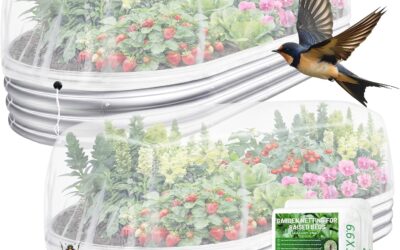
Row covers, netting, and other physical barriers used for pest and wildlife control can accidentally block pollinators if left in place during flowering. When comparing any barrier product, check whether it is designed to be removed or opened during bloom periods, and always follow manufacturer instructions and product labels for correct timing and use.
Pesticide and Chemical Caution
Many common garden pest treatments can harm pollinators if applied during bloom or without following label directions. Before using any pesticide, herbicide, or fertilizer product near a vegetable garden, read the full label, check local regulations, and follow manufacturer safety instructions. This guide does not promise guaranteed pollinator outcomes from any single product, since results depend on local conditions, application timing, and surrounding habitat.
Accessibility and Low-Maintenance Options
Older gardeners or those who prefer lower-maintenance setups may want to prioritize permanent plantings, such as perennial flowering herbs, over features that require frequent cleaning or seasonal replacement. Raised planting areas near a garden path can also make it easier to maintain pollinator plants without repeated bending or kneeling.
Small-Space Considerations
Container gardeners and small-yard growers can still support pollinators by choosing compact flowering plants that fit in pots alongside vegetables, or by grouping a few pollinator-friendly containers near a patio vegetable bed. Vertical space, such as a trellis with flowering vines, can also add pollinator interest without using extra ground footprint.
Common Mistakes to Avoid
A frequent mistake is relying on a single flower type or a single product to attract pollinators, rather than combining several bloom times and plant heights. Another common issue is leaving pest netting sealed during flowering, which can prevent pollinators from reaching blossoms entirely. Reviewing product specifications and owner feedback before purchase, when that data is available, helps avoid these setup errors.
Research Methodology and Trust
Attracting pollinators to a vegetable garden is primarily a planting and habitat question, which is why this guide centers on plant selection, habitat features, and safe pest management rather than a product roundup.
This is a research-based guide drawing on established pollinator-gardening practices and publicly available information rather than physical, hands-on testing in a garden setting.
This page was reviewed and updated in July 2026 to reflect current pollinator-gardening guidance for Dove Creek Gardens readers.
Final Recommendations
The bee houses above are included because they directly support cavity-nesting pollinators, not as a generic add-on, since attracting pollinators to a vegetable garden depends on genuine habitat support rather than unrelated products.
Use the buying guide criteria above, target pollinators, placement, barrier timing, chemical caution, accessibility, and small-space fit, when evaluating the bee houses listed above or any companion flower selection, water feature, or protective netting product you find elsewhere.
Frequently Asked Questions
What is the best way to start attracting pollinators to a vegetable garden?
Start by adding a variety of flowering plants near your vegetable beds with different bloom times, so something is flowering throughout the growing season. Grouping several small flowers together tends to draw more attention from bees than a single scattered plant.
How much space do I need for pollinator plants in a small vegetable garden?
Even a few containers or a narrow border along an existing bed can help. Compact flowering plants and vertical trellised vines allow small-space and patio gardeners to include pollinator support without giving up vegetable growing area.
Are pollinator houses or bee hotels safe to use near a vegetable garden?
Many gardeners use these structures, but placement and maintenance matter. Always follow the manufacturer instructions for cleaning and placement, and check local guidelines, since we cannot confirm specific product performance without verified product data.
Can pest control products harm pollinators in my garden?
Some pesticides can affect pollinators, especially when applied during bloom. Always read the product label, follow application timing instructions, and check local regulations before using any pest control product near flowering vegetables.
Do I need to remove garden netting to let pollinators reach my vegetables?
If your netting or row cover is sealed during flowering, pollinators may not be able to reach the blossoms. Check the product instructions to see if it is designed to be opened or removed during bloom periods.
How long do pollinator-friendly plantings typically last in a garden?
This depends on whether you choose annual or perennial flowering plants. Perennials tend to require less replanting each year, which can be a lower-maintenance option for older gardeners or those with limited time for upkeep.
Where can I find more help with garden pests and wildlife alongside pollinator planning?
Our Garden Pest & Wildlife section covers related topics like protecting crops from unwanted visitors while still supporting beneficial insects and pollinators in your vegetable garden.