

Deciding between grow bags vs raised beds is one of the first questions many home gardeners face when planning a new growing space. Both options let you control soil quality and avoid digging into poor native ground, but they differ in cost, permanence, drainage, and how comfortable they are to work with over a full growing season. This guide breaks down the practical differences so you can match the right method to your yard, patio, or small outdoor space.
This comparison is written for beginner gardeners setting up their first growing area, homeowners with limited yard space, renters who need portable options, and older gardeners who value raised access and reduced bending. Whether you are working with a small balcony or a full backyard plot, understanding the tradeoffs between fabric grow bags and built raised beds will help you avoid an expensive setup mistake.
At the time of this update, our database did not have 0 specific grow bag or raised bed products with verified specifications to compare side by side for this article. Rather than list unverified items, this guide focuses on the decision criteria that matter most when choosing between the two growing methods, so you can shop with confidence once you review specific products. For more raised bed options and related guides, visit our Raised Beds & Planters category page.
Grow Bags Vs Raised Beds Buying Guide
Growing Volume and Root Space
Both grow bags and raised beds come in a range of sizes, and the growing volume they offer directly affects which plants will thrive. Deep-rooted vegetables like tomatoes and peppers generally need more soil depth than shallow-rooted greens or herbs. When comparing options, check the listed volume in gallons for grow bags or the length, width, and depth in inches for raised beds, and match that to the mature root spread of what you plan to grow.
Drainage and Soil Requirements
Fabric grow bags typically drain freely on all sides because the material itself is porous, which can reduce the risk of waterlogged roots but also means the soil dries out faster in hot weather. Raised beds usually rely on drainage holes, gravel layers, or the natural permeability of the wood or composite base, and they hold moisture longer once the soil is established. Either option requires quality potting mix or raised bed soil blend rather than heavy garden soil, since dense soil compacts and limits root growth in a contained space.
Access Height and Comfort for Older Gardeners
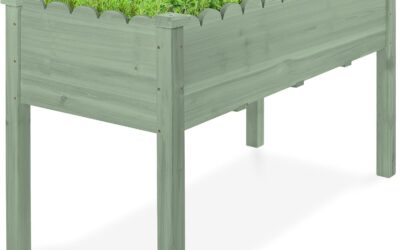
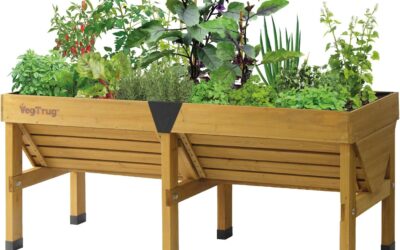
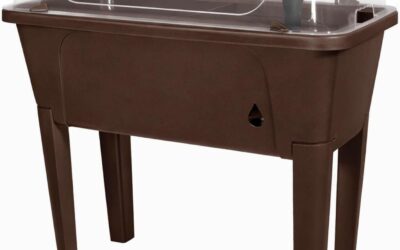
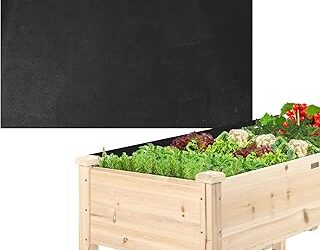
One of the biggest practical differences is working height. Standard grow bags sit at ground level, which means kneeling or bending to plant, weed, and harvest. Raised beds, especially taller models, bring the growing surface closer to standing or seated height, which can make a real difference for gardeners managing knee or back discomfort. If comfort and accessibility are a priority, look for raised bed designs described as elevated or counter-height rather than low garden-bed frames.
Portability and Small-Space Fit
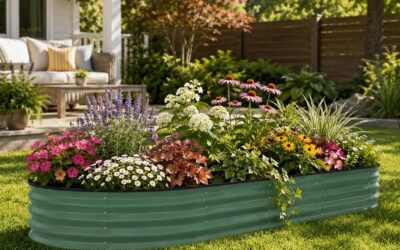
Grow bags have a clear advantage for renters, apartment dwellers, and anyone gardening on a patio or balcony because they can be moved to chase sunlight or brought indoors before frost. Raised beds are generally built as permanent or semi-permanent structures, which suits homeowners who have a dedicated garden area but makes them a poor fit for temporary or rented spaces. Consider how often you may need to relocate your growing containers before committing to either option.
Material and Durability Considerations
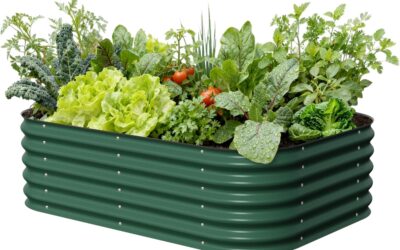
Grow bags are commonly made from breathable fabric, and their lifespan depends heavily on the fabric weight and how much UV exposure they receive over a season. Raised beds are available in wood, metal, and composite materials, each with different resistance to rot, rust, and warping over time. Because specific material specifications vary widely between products, always check the listed material and any stated durability information before assuming a product will last multiple seasons.
Assembly and Stability
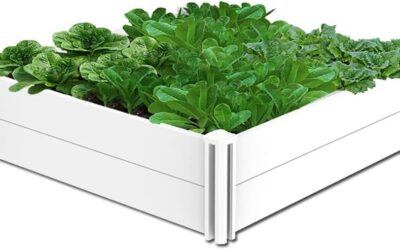
Grow bags require essentially no assembly beyond filling them with soil, which makes them appealing for gardeners who want to start planting the same day. Raised beds typically require some level of assembly, from simple panel-and-corner kits to more involved builds, and stability depends on how the frame is constructed and whether it is anchored or freestanding. If assembly time or tool use is a concern, look specifically for listings that describe tool-free or simplified assembly.
Cost and Long-Term Value
Grow bags are usually the lower upfront cost option, but their shorter typical lifespan compared to a well-built raised bed can mean repeat purchases over several years. Raised beds often cost more initially, particularly larger or elevated models, but can offer more years of use if the material holds up to weather exposure. Weigh the total cost over the number of seasons you expect to garden rather than comparing only the sticker price.
Maintenance and Seasonal Storage
Empty grow bags can usually be emptied, rinsed, and folded flat for storage over winter, which suits gardeners with limited storage space or a seasonal growing schedule. Raised beds generally stay in place year-round, though soil may need to be refreshed or amended between seasons, and wood components may need occasional sealing or protection depending on the material. Common mistakes include leaving wet soil in fabric bags over winter, which can accelerate fabric breakdown, and failing to check raised bed frames for loose joints before a new growing season.
Research Methodology and Trust
Our process for this guide started with screening available product data against the specific topic of grow bags vs raised beds, checking that any listed item was genuinely intended for growing use rather than unrelated storage or landscaping equipment. For this update, no product entries in our database matched the intended product type closely enough to include with confidence, so we chose not to feature unverified items rather than risk misleading readers.
When product data is available for future updates, our approach compares listed specifications such as growing volume, dimensions, material, and access height, alongside patterns commonly mentioned in owner feedback about drainage, durability, and ease of setup. This is a research-based analysis of specification sheets and publicly available product information rather than physical hands-on testing in a garden setting. Ranking factors for this category focus on growing volume accuracy, drainage design, material durability, access height for comfort, and fit for small or patio spaces rather than generic scoring.
This guide was reviewed and updated in August 2026 to keep the decision criteria current. As verified grow bag and raised bed products become available for comparison, this article will be revisited to include specific recommendations.
Final Recommendations
At this time, our product database does not contain verified grow bags or raised beds that match the specific requirements of this comparison closely enough to recommend by name. Rather than suggest unverified or loosely related items, we are holding off on specific product picks until data that clearly matches this topic becomes available.
In the meantime, use the buying guide sections above to evaluate any grow bag or raised bed you are considering, paying particular attention to growing volume, drainage, access height, and material durability. Visit our Raised Beds & Planters category page for related guides as new product comparisons are added.
Frequently Asked Questions
Are grow bags or raised beds better for small spaces?
Grow bags are generally more practical for balconies, patios, and rented spaces because they can be moved and stored when not in use. Raised beds work well in small yards where you have a fixed, sunny spot and do not need to relocate the growing area.
How do I choose the right size for grow bags vs raised beds?
Match the growing volume or depth to the plants you intend to grow, since deep-rooted vegetables need significantly more soil depth than herbs or leafy greens. Check listed gallon capacity for grow bags and length, width, and depth in inches for raised beds before purchasing.
Do raised beds require more maintenance than grow bags?
Raised beds generally need less routine handling since they stay in place, though the frame material may need occasional attention depending on weather exposure. Grow bags require less structural maintenance but may need to be checked for fabric wear over time, especially with repeated seasonal use.
Can grow bags or raised beds help older gardeners with mobility concerns?
Raised beds, particularly elevated designs, typically offer more comfort for gardeners who want to avoid kneeling or bending. Ground-level grow bags require more bending unless they are placed on a stand or elevated surface, so accessibility needs should factor into your choice.
How long do grow bags typically last compared to raised beds?
Lifespan varies by fabric weight, material, and exposure to sun and moisture, so it is important to check the specific product listing rather than assume a general timeframe. Well-built raised beds in durable materials often last longer than fabric grow bags, but both depend heavily on the specific construction and how they are stored between seasons.
What should I check for drainage when comparing grow bags vs raised beds?
Look for grow bags made from breathable fabric that allows water to escape on all sides, and for raised beds, check whether drainage holes or a gravel base layer is included or recommended. Proper drainage helps prevent waterlogged roots, which is one of the most common issues in contained growing setups.
Is it safe to store grow bags or raised bed soil over winter?
Empty grow bags should be dried out before folding and storing to reduce mold and fabric breakdown, while raised bed soil can often stay in place with fresh amendments added before the next planting season. Always follow any specific manufacturer storage guidance included with your product.