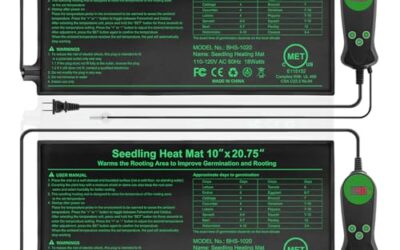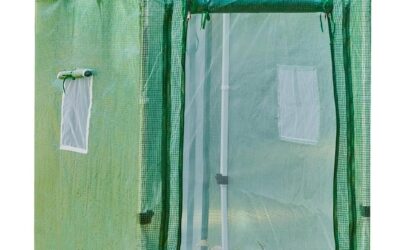



A greenhouse heater without a thermostat is a fire risk with an electric bill. What protects tender plants through cold snaps is controlled cycling, warm enough to prevent frost damage yet steady enough not to scorch seedlings sitting too close.
This guide is written for beginner gardeners setting up a first greenhouse, homeowners protecting seedlings and overwintering plants, older gardeners who want simple controls and low-maintenance operation, and small-space growers working with compact greenhouses or grow tents. We compared 15 greenhouse heaters with thermostat functionality, in the $34.99–$290.7 price range, from brands including the featured brands, focusing on how each model controls temperature, how it reports safety features, and how it fits different greenhouse sizes.
Selection criteria included the type of thermostat control (digital display versus analog dial), stated heating coverage, safety features such as overheat and tip-over protection, portability, and how owners describe day-to-day use. For more options in this category, see our full Greenhouses & Garden Storage collection.
Bio Green PAL 2.0/USDT Palma Greenhouse Heater and Fan for Frost Protection Rui Cheng MGP-1.5 Greenhouse Heater for Controlled Seedling and Grow Tent Warmth GRPWWT MGP-2 Greenhouse Heater with Thermostat for Small Winter Plant Spaces DR. INFRARED HEATER DR218 1500W Greenhouse Heater for Small Plant Protection Prices and availability can change. We may earn a commission from qualifying purchases.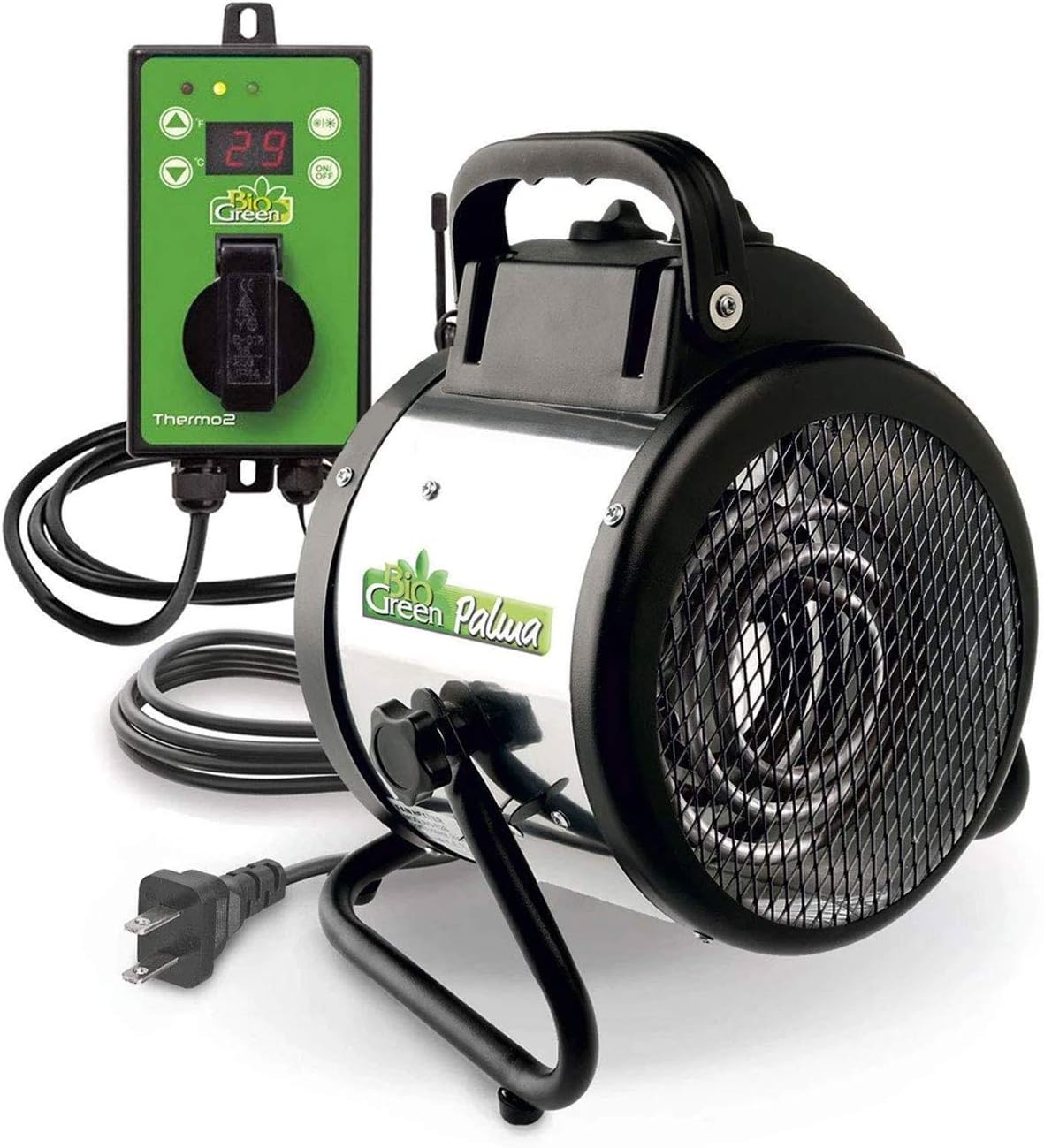


Pros
- Designed specifically around greenhouse heating and air circulation rather than general patio comfort heating.
- Includes adjustable temperature control and two power settings for more flexible cold-weather use.
- Stainless steel housing and splash-resistant IPX4 design suit the damp conditions often found in greenhouses.
- Portable form factor is easier to place, move, and store than many larger heater setups.
- Reviewers commonly mention easy adjustment and good temperature control, although experiences with durability and support are mixed.
Cons
- The listed 120 square foot coverage may be limiting for larger, poorly insulated, or very cold greenhouses.
- At 1500 watts and 15 amps, it may require careful outlet and circuit planning, especially around GFCI-protected greenhouse power.
- Some reviewers report heater, thermostat, cord, or breaker-tripping issues, so buyers may want to inspect and monitor the unit closely when first setting it up.
The Bio Green PAL 2.0/USDT Palma is an electric forced-air greenhouse heater and fan built for small growing spaces that need frost protection and steadier air movement. Its listed coverage is up to 120 square feet with an average height of 6.6 feet, making it a practical match for hobby greenhouses, seed-starting spaces, and compact garden structures rather than large commercial houses.
The main gardening benefit is controlled warmth paired with circulation. The heater offers 750 watt and 1500 watt settings, with heat output listed at 5118 BTU, so users can choose a lower or higher output depending on conditions. The digital thermostat is designed to switch the heater on and off at the selected temperature, and the listed temperature control range is 32°F to 185°F.
Air movement is a major part of the Palma design. The product information lists circulation up to 5800 cubic feet per hour, and the fan-only mode allows the unit to circulate air when heat is not required. In a greenhouse, that can be useful because warm air often collects near the roof while corners and low areas stay cooler.
The heater is compact at 11 by 8 by 12.5 inches and weighs 11 pounds. It has a portable floor-standing form factor, rubber feet, and a carrying handle, which should make placement and seasonal storage manageable for many home gardeners. The stainless steel housing and IPX4 splash protection are also relevant for damp greenhouse use, where watering, humidity, and condensation are routine concerns.
For realistic backyard use, this unit makes the most sense for keeping a small greenhouse above freezing, taking the chill off seed-starting benches, or improving circulation in a garden room or tent listed as a recommended use. Gardeners should still size expectations carefully, since actual heating performance depends on greenhouse insulation, outdoor temperature, air leaks, and where the heater and thermostat probe are placed.
The balanced takeaway is that the Palma offers a strong feature set for a small greenhouse heater: adjustable power, thermostat control, fan circulation, portability, and splash resistance. It may be less suitable for gardeners trying to heat a larger structure or maintain high temperatures during severe cold. Because it is a 120 volt, 15 amp electric heater, it should be used only with an appropriate outlet, kept clear of obstructions, and set up according to the manual, especially in wet greenhouse environments.
Best For / Avoid If
Best for buyers prioritizing
- Designed specifically around greenhouse heating and air circulation rather than general patio comfort heating.
- Includes adjustable temperature control and two power settings for more flexible cold-weather use.
- Stainless steel housing and splash-resistant IPX4 design suit the damp conditions often found in greenhouses.
Consider another option if
- The listed 120 square foot coverage may be limiting for larger, poorly insulated, or very cold greenhouses.
- At 1500 watts and 15 amps, it may require careful outlet and circuit planning, especially around GFCI-protected greenhouse power.
- Some reviewers report heater, thermostat, cord, or breaker-tripping issues, so buyers may want to inspect and monitor the unit closely when first setting it up.
Pros
- Adjustable digital temperature control is more precise than a basic on/off heater.
- Compact size and carry handle make it practical for small greenhouses and temporary cold-weather setups.
- Listed 215 square foot coverage is useful for enclosed spaces when conditions are within the heater’s capability.
- Overheat protection and splash-resistant housing are helpful safety features for greenhouse-style use.
Cons
- May be less suitable for large, drafty, or poorly insulated greenhouses in freezing conditions.
- As a corded 110V electric heater, it requires safe outlet access and careful cord placement away from water and foot traffic.
- One reviewer raised concerns about manual warnings and thermostat suitability, so buyers should read the included instructions before using it in humid greenhouse conditions.
The Rui Cheng MGP-1.5 is a compact electric greenhouse and grow tent heater designed for supplemental warmth in enclosed growing spaces. Based on the listed specifications, it combines a 1500W convection heater with a digital thermostat, making it most relevant for gardeners trying to protect seedlings, overwinter tender plants, or moderate nighttime temperature swings in a small greenhouse.
The key gardening benefit is temperature control. The product information lists an adjustable range from 40°F to 108°F, which gives users a way to set a target climate instead of manually switching a heater on and off. For seed starting, tropical plant storage, or cool-season greenhouse use, that kind of control can help reduce sudden temperature drops when outdoor conditions change overnight.
Its design is small and portable, with listed dimensions of 10 inches deep by 7 inches wide by 9.8 inches high. The floor-mount pedestal form, carry handle, digital display, on/off timer listing, and compact footprint make it easier to place in a greenhouse corner, grow tent, patio enclosure, garage, or workshop without taking up much growing space. The listing describes three power settings, including 1500W, 750W, and 20W, although one specification line lists two speeds, so buyers may want to confirm the control layout on arrival.
For backyard gardeners, this heater makes the most sense as a supplemental heat source for a modest, enclosed area rather than as a primary heater for a large structure. Reviewers commonly mention use in small greenhouses, grow tents, and other small spaces, with several noting that it is better suited to maintaining warmth than heating a large open area. That matches the listed coverage of up to 215 square feet, which should still be considered dependent on insulation, outside temperature, air leaks, and how often doors are opened.
Safety deserves careful attention with any electric heater in a garden setting. The listing includes overheat protection and an IPX4 splash-resistant housing, but it is still a corded 110V appliance that should be kept stable, clear of flammable materials, and away from standing water. Because one reviewer reported concern about manual warnings related to greenhouse or humid use, buyers should read the included manual closely and follow the manufacturer’s placement and operating instructions before leaving it to cycle unattended.
Overall, the Rui Cheng MGP-1.5 is a practical option for gardeners who want a compact heater with thermostat control for small-space plant protection. It is a better fit for enclosed, manageable areas than for large uninsulated greenhouses, and cautious setup is important in damp garden environments.
Best For / Avoid If
Best for buyers prioritizing
- Adjustable digital temperature control is more precise than a basic on/off heater.
- Compact size and carry handle make it practical for small greenhouses and temporary cold-weather setups.
- Listed 215 square foot coverage is useful for enclosed spaces when conditions are within the heater’s capability.
Consider another option if
- May be less suitable for large, drafty, or poorly insulated greenhouses in freezing conditions.
- As a corded 110V electric heater, it requires safe outlet access and careful cord placement away from water and foot traffic.
- One reviewer raised concerns about manual warnings and thermostat suitability, so buyers should read the included instructions before using it in humid greenhouse conditions.
Pros
- Includes both the heater and an independent digital thermostat controller.
- Compact 9.5 by 8.5 by 9.5 inch size is practical for small greenhouse floors or grow tent setups.
- Automatic temperature control can reduce unnecessary run time compared with leaving a heater constantly on.
- Reviewers commonly mention quick warming and straightforward temperature adjustment.
- Forced-air design provides heating plus air movement rather than radiant heat alone.
Cons
- The listed 120 square foot coverage may be too limited for larger or poorly insulated greenhouses.
- A floor-mounted electric heater requires careful placement away from water, plant debris, and flammable materials.
- One reviewer reported the unit stopped working after about 60 days, so buyers may want to check return and support options before relying on it for valuable plants.
The GRPWWT MGP-2 is an electric forced-air greenhouse heater kit designed for winter plant protection in smaller spaces. It includes a 1500W heater and an independent digital thermostat, making it a practical option for gardeners who want automatic temperature control in a greenhouse, grow tent, flower room, patio plant area, workshop, basement, or similar space.
The key gardening benefit is the thermostat-controlled operation. The product information indicates that the thermostat monitors temperature and switches the heater on or off to match the selected setting. For beginners and homeowners overwintering potted plants, seedlings, bonsai, or tender ornamentals, that can make cold-weather care simpler than manually plugging and unplugging a heater.
According to the listed specifications, this unit provides up to 1500 watts of heat output, uses forced air, and is intended to cover areas up to 120 square feet. The heater is described as reaching warmth quickly and includes adjustable ventilation for air circulation. Its maximum temperature setting is listed at 120 degrees Fahrenheit, and the included thermostat controller is rated at 15A.
The heater has a floor-mount pedestal form factor and measures 9.5 inches deep by 8.5 inches wide by 9.5 inches high, with a listed weight of 4.5 pounds. That compact footprint should fit many small backyard greenhouses and grow tents, although placement still matters. Keep the unit stable, give it breathing room, and avoid crowding it with pots, plastic covers, burlap, dry leaves, or other materials that could create a hazard.
Safety is especially important with any electric heater used around plants and moisture. The feature list includes flame-resistant materials and independent overheat protection, but gardeners should still use an appropriate outlet, keep cords and controls away from standing water, and follow the manufacturer’s instructions. Reviewers commonly mention that the digital display and temperature regulation are easy to use, while at least one reviewer reported an early failure, so it is wise to inspect the unit regularly during the season.
This heater is a sensible fit for gardeners who need automatic supplemental heat in a compact greenhouse or grow tent and want a kit that already includes a thermostat. Gardeners with a large greenhouse, very drafty structure, frequent deep freezes, or a need for hardwired commercial heating may be better served by a larger-capacity system or a more specialized greenhouse climate setup.
Best For / Avoid If
Best for buyers prioritizing
- Includes both the heater and an independent digital thermostat controller.
- Compact 9.5 by 8.5 by 9.5 inch size is practical for small greenhouse floors or grow tent setups.
- Automatic temperature control can reduce unnecessary run time compared with leaving a heater constantly on.
Consider another option if
- The listed 120 square foot coverage may be too limited for larger or poorly insulated greenhouses.
- A floor-mounted electric heater requires careful placement away from water, plant debris, and flammable materials.
- One reviewer reported the unit stopped working after about 60 days, so buyers may want to check return and support options before relying on it for valuable plants.
Pros
- Purpose-built for greenhouse use rather than being only a general household space heater.
- Compact and portable enough for small plant shelters, garages, or workshop areas.
- Thermostat control gives gardeners a way to manage temperature within the listed setting range.
- Splash-resistant housing is a useful feature for indoor growing spaces where moisture is common.
Cons
- Single heat setting and one fan speed may feel limited for gardeners who want more precise output control.
- The listed 150 square foot coverage may be less suitable for larger, poorly insulated, or very cold greenhouse setups.
- As a 120-volt, 12.5-amp electric heater, it requires an appropriate power source and careful placement around water, plants, and combustible materials.
The DR. INFRARED HEATER DR218-1500W is a corded electric greenhouse heater intended for small indoor growing and plant storage spaces. Based on the listed specifications, it is best suited to gardeners who need supplemental warmth for tender plants, overwintered containers, or seedlings in a compact greenhouse, garage, or workshop area.
The main benefit is straightforward frost protection support. The heater provides 1500 watts of heat output with a listed coverage area of 150 square feet, which makes it a better match for small enclosed spaces than for large or drafty structures. The product information indicates a thermostat range from 32 to 104 degrees Fahrenheit, giving gardeners a way to target a minimum temperature instead of relying only on guesswork.
Its design is compact for a heater in this category, measuring 10 inches deep, 10 inches wide, and 15 inches high, with an 11.5 pound weight. The cabinet-style, floor-mount form factor should be simple to place where air can circulate, and the included owner’s manual is important for setup and clearance guidance. The unit has one heat setting and one fan speed, so operation is simple, but not highly customizable.
For backyard gardeners, this heater makes the most sense in a small greenhouse used to hold citrus, figs, plumeria, starts, or other cold-sensitive potted plants through brief cold snaps. It may also be useful in a garage plant corner where dormant containers need to stay above freezing. Reviewers commonly mention using it in small greenhouse or garage situations, though those comments should be treated as individual experiences rather than guaranteed results.
The DR218 includes overheat protection, a thermally protected motor, heavy duty steel housing, and an IPX4 structure that is protected against water splashing. Even with those features, it is still an electric heater, so gardeners should keep it stable, maintain safe clearance around plant debris and supplies, and use a power source suitable for a 120-volt, 12.5-amp appliance. It should not be treated as a cure for an uninsulated greenhouse in severe winter conditions.
Choose this model if you want a compact, greenhouse-oriented electric heater with basic thermostat control and splash-resistant construction. Consider a different option if you need multiple heat levels, broader coverage, outdoor-rated equipment, or a heating system for a large greenhouse with heavy winter exposure.
Best For / Avoid If
Best for buyers prioritizing
- Purpose-built for greenhouse use rather than being only a general household space heater.
- Compact and portable enough for small plant shelters, garages, or workshop areas.
- Thermostat control gives gardeners a way to manage temperature within the listed setting range.
Consider another option if
- Single heat setting and one fan speed may feel limited for gardeners who want more precise output control.
- The listed 150 square foot coverage may be less suitable for larger, poorly insulated, or very cold greenhouse setups.
- As a 120-volt, 12.5-amp electric heater, it requires an appropriate power source and careful placement around water, plants, and combustible materials.
Pros
- Purpose-built for indoor grow tents rather than general patio heating.
- Combines thermostat control, VPD tracking, and app-based adjustments in one compact unit.
- PTC heating and PWM precision control support more controlled heat output than a simple on/off heater.
- Reviewers commonly mention stable temperature regulation and straightforward setup.
- Safety features include overheat protection, tip-over protection, and flame-retardant materials.
Cons
- Indoor use only, so it is not the right choice for open patios or exposed outdoor greenhouse benches.
- App pairing or reconnection may be a concern for some users based on at least one reviewer report, though manual controls are listed.
- Gardeners heating larger or poorly insulated spaces may need to evaluate whether 700W is enough for their conditions.
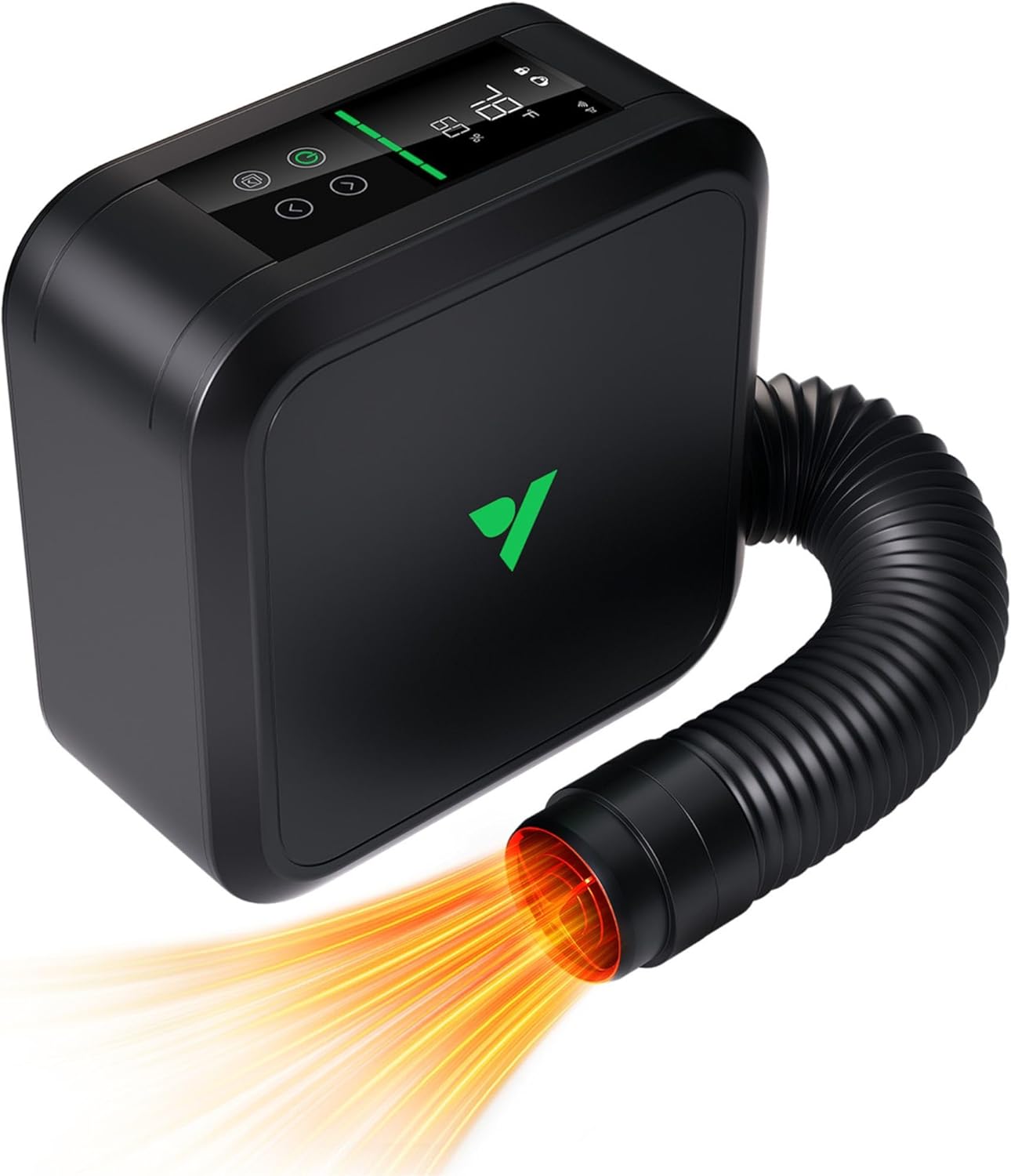
The VIVOSUN AeroFlux 700W PTC Grow Tent Heater is a corded electric heater made for indoor growing spaces, especially grow tents. It is aimed at gardeners starting seeds, tending indoor vegetables or flowers, or managing temperature dips in a small controlled environment where a general room heater may be too bulky or imprecise.
Based on the listed specifications, the main advantage is controlled heat delivery. The 700W PTC heating element is paired with PWM precision control and five adjustable heat levels, giving growers more flexibility than a single-output heater. The product information also states that its sensor tracks temperature and VPD changes in real time, which can help gardeners make more informed climate adjustments.
The AeroFlux is compact, with listed dimensions of 9.45 inches deep by 4.72 inches wide by 9.45 inches high, and it uses a tabletop form factor. Controls can be handled directly on the unit or through the app, where users can adjust minimum temperature, target VPD, and Day/Night Mode through the Recipe feature. This is useful for growers who want different daytime and nighttime conditions without constant manual changes.
In practical garden use, this heater fits best in indoor grow tents, grow rooms, and protected greenhouse-style setups where a small electric heater can help smooth out cold-night temperature drops. Reviewers commonly mention using it for grow tents and note that it helps regulate temperatures, with several highlighting the app and thermostat as useful features.
Safety matters with any electric heater near plants, cords, fabric tents, and irrigation equipment. The listed safety features include V0 flame-retardant materials, tip-over protection, and overheat shutoff, but users should still keep the unit positioned securely, avoid water contact, and follow the manufacturer’s indoor-use guidance. Because it is corded electric and rated at 700W, it should be used with an appropriate outlet and not treated as a weatherproof outdoor patio heater.
This is a good match for gardeners who want a compact, purpose-built grow tent heater with smart controls rather than a basic space heater. Those who only need simple manual heat, who dislike app-dependent equipment, or who need to heat a larger exposed area may prefer a different option with specifications better matched to that use.
Best For / Avoid If
Best for buyers prioritizing
- Purpose-built for indoor grow tents rather than general patio heating.
- Combines thermostat control, VPD tracking, and app-based adjustments in one compact unit.
- PTC heating and PWM precision control support more controlled heat output than a simple on/off heater.
Consider another option if
- Indoor use only, so it is not the right choice for open patios or exposed outdoor greenhouse benches.
- App pairing or reconnection may be a concern for some users based on at least one reviewer report, though manual controls are listed.
- Gardeners heating larger or poorly insulated spaces may need to evaluate whether 700W is enough for their conditions.

Pros
- Includes a separate thermostat rather than relying only on basic onboard controls.
- Compact 8.27 x 6.3 x 8.66 inch size and 4.4 pound weight make it manageable for small spaces.
- Offers both heating and fan modes for seasonal flexibility.
- PTC ceramic forced-air design and 140 CFM listed air volume support active air movement.
- Overheat protection is included for added operational safety.
Cons
- Listed for indoor use, so it should not be treated as an outdoor, weather-exposed heater.
- Actual heating performance may vary with greenhouse insulation, humidity, outside temperature, and enclosure size.
- Gardeners heating a large or poorly sealed structure may need a different heating plan or additional equipment.
The VEVOR BGP1606-150 is a compact electric greenhouse heater designed for indoor growing spaces such as greenhouses, grow tents, flower rooms, and similar enclosed work areas. It uses a 1500W PTC ceramic heating element with forced-air output, making it a practical option for gardeners who need supplemental warmth rather than a permanent heating system.
The key gardening value is temperature control. The included independent thermostat lets you set a target temperature from 40°F to 108°F, which can be helpful when starting seedlings, protecting tender plants indoors, or keeping a small greenhouse workspace more comfortable during cold periods. The product information also lists low and high heat modes, so users can adjust the output to suit changing conditions.
Air movement is another useful feature. The heater includes both warm-air and fan modes, allowing it to circulate air when heat is not required. Based on the listed specifications, it provides 140 CFM air volume and a maximum air speed of 3.6 m/s. The 15° manually adjustable angle helps aim airflow toward benches, trays, or a specific work zone rather than leaving the heat fixed in one direction.
The unit measures 8.27 x 6.3 x 8.66 inches and weighs 4.4 pounds, so it should fit more easily in small indoor garden areas than a bulky utility heater. It is a floor-mount pedestal style heater with a portable handle and a stable grip base. The housing is listed as cold-rolled steel, and the package includes the heater, independent thermostat, and user manual.
For backyard gardeners, this type of heater makes the most sense in a protected indoor greenhouse, grow tent, flower room, small sunroom, or utility space where a standard 120V AC electric heater is appropriate. It may also suit gardeners who want one device for both spot warmth and air circulation. A listed customer review described it as compact and useful in a small well house, but that should be viewed as one user’s experience rather than a guaranteed result for every setup.
The main limitation is that heating coverage is not fixed and will depend on insulation, air leaks, humidity, outside temperature, and the size of the enclosure. Because the specifications list indoor use, it should be kept away from rain, irrigation spray, and exposed outdoor conditions. Gardeners with large, drafty, or uninsulated structures may want a more robust greenhouse heating solution, while those with small indoor growing areas may find this model’s thermostat, fan mode, compact size, and overheat shutoff a practical fit.
Best For / Avoid If
Best for buyers prioritizing
- Includes a separate thermostat rather than relying only on basic onboard controls.
- Compact 8.27 x 6.3 x 8.66 inch size and 4.4 pound weight make it manageable for small spaces.
- Offers both heating and fan modes for seasonal flexibility.
Consider another option if
- Listed for indoor use, so it should not be treated as an outdoor, weather-exposed heater.
- Actual heating performance may vary with greenhouse insulation, humidity, outside temperature, and enclosure size.
- Gardeners heating a large or poorly sealed structure may need a different heating plan or additional equipment.
Pros
- Includes both the heater and an independent digital thermostat, so gardeners do not need to source a controller separately.
- The product information lists automatic temperature control, adjustable temperature, adjustable speed, and fan-only operation.
- Small footprint may be easier to place in tight greenhouse aisles, grow tents, or compact plant rooms.
- Reviewers commonly mention quick heat output and find the thermostat helpful for greenhouse or small-space use.
Cons
- Listed coverage is limited to spaces up to 120 sq. ft., so it may be less suitable for larger, drafty garages or poorly insulated structures.
- As a 1500W electric heater, it requires a suitable electrical setup and careful placement with open space around the unit.
- Some reviewer feedback notes possible thermostat confusion or calibration needs, so gardeners may want to compare readings with a separate thermometer.
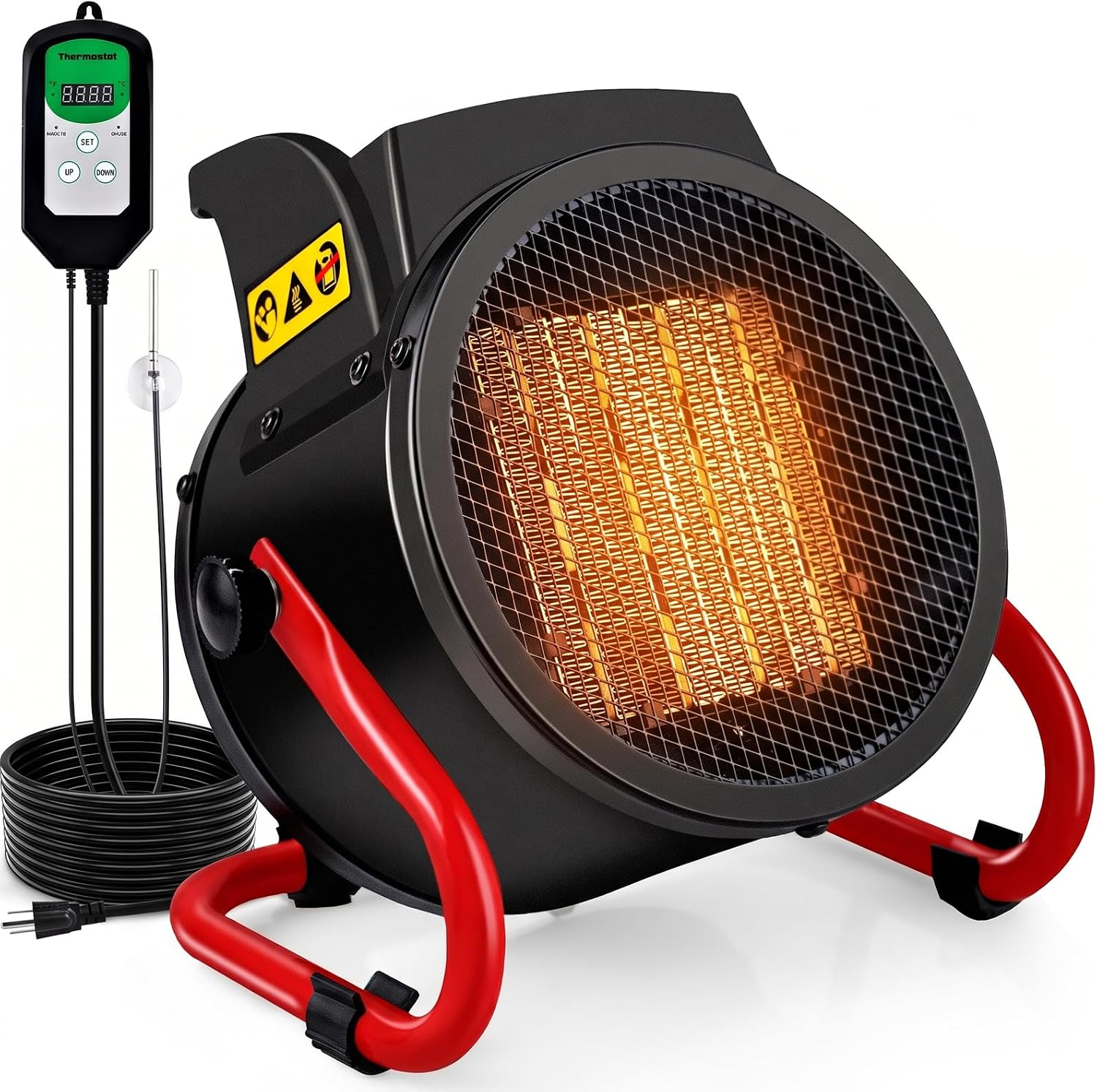
The SmterCon GHH is an electric greenhouse heater kit designed for supplemental temperature control in small protected growing spaces. It includes a heater, a separate digital thermostat, and a user manual, making it a practical option for gardeners trying to protect winter plants, seedlings, or tender potted plants in a greenhouse, grow tent, flower room, or similar area.
The main gardening benefit is automatic temperature control. The product information indicates that the thermostat monitors temperature and turns the heater on or off based on the set point, which can reduce the need to check the space constantly during cold snaps. The 1500W convection heating design is listed for spaces up to 120 sq. ft., and the fast-heating feature is meant to bring warmth quickly to a small enclosed area.
For placement, the unit measures 9.5 inches deep by 8.5 inches wide by 9.5 inches high and is specified as a floor-mount heater. The adjustable tilt head helps aim airflow, while adjustable speed, adjustable temperature, and fan-only ventilation give gardeners more control over how air moves around plants. The separate thermostat is especially useful because the temperature sensor can be positioned away from the heater for a more representative reading of the growing area.
In a backyard greenhouse, this heater is best viewed as a small-space support tool rather than a whole-building heating system. It may suit a compact greenhouse bench area, a grow tent, a flower room, or a patio plant shelter where the goal is to take the edge off cold weather. Reviewers commonly mention quick warming and useful thermostat control, though those comments should be considered user feedback rather than verified test results.
Safety matters with any electric heater around plants, pots, plastic covers, and irrigation equipment. The listed over-temperature protection, fireproof-material description, and 15A thermostat controller are helpful features, but the unit should still be kept stable, unobstructed, and away from anything that could block airflow or contact hot surfaces. Gardeners should also confirm their outlet and extension setup, if used, is appropriate for a 1500W heater.
This is a good fit for gardeners who need a compact, thermostat-controlled heater for a small greenhouse or grow tent and value automatic on/off operation. Those trying to warm a large garage, a very leaky greenhouse, or an uninsulated outdoor area may want a more powerful or purpose-built heating plan.
Best For / Avoid If
Best for buyers prioritizing
- Includes both the heater and an independent digital thermostat, so gardeners do not need to source a controller separately.
- The product information lists automatic temperature control, adjustable temperature, adjustable speed, and fan-only operation.
- Small footprint may be easier to place in tight greenhouse aisles, grow tents, or compact plant rooms.
Consider another option if
- Listed coverage is limited to spaces up to 120 sq. ft., so it may be less suitable for larger, drafty garages or poorly insulated structures.
- As a 1500W electric heater, it requires a suitable electrical setup and careful placement with open space around the unit.
- Some reviewer feedback notes possible thermostat confusion or calibration needs, so gardeners may want to compare readings with a separate thermometer.

Pros
- Thermostat-controlled operation can help reduce temperature swings in small enclosed growing spaces.
- Forced-air design circulates warm air rather than relying only on radiant heat from one fixed spot.
- Water-resistant IPX4 rating, overheat protection, and tip-over shutoff are useful safety features for greenhouse-style environments.
- Small floor-mounted pedestal design is easier to place and store than many larger patio heaters.
Cons
- Heat output may be less suitable for larger, poorly insulated, or drafty greenhouses beyond the listed coverage area.
- One verified reviewer reported that the advertised 750-watt setting was not present, so buyers should confirm current controls on the product page.
- Several user comments describe mixed heat performance, so it is best viewed as supplemental heat rather than a whole-structure heating solution.
The LHUKSGF GH2025YE is a compact electric greenhouse heater designed for supplemental warmth in greenhouses, grow tents, covered patios, workshops, and similar small spaces. For home gardeners, its main purpose is to help moderate cold conditions around tender plants, seedlings, or overwintered containers when temperatures dip.
Based on the listed specifications, the heater provides 1500 watts of forced-air heat and 5118 BTU of output, with stated coverage up to 150 square feet. The digital thermostat is listed with a 40°F to 108°F setting range, which gives gardeners a more controlled way to manage cool-season temperatures than simply plugging in a basic heater and checking it manually.
The unit is floor mounted with a pedestal form factor and measures 11 inches deep by 10 inches wide by 7 inches high. Its compact size should make it easier to fit beneath a greenhouse bench, near a propagation area, or in a small grow tent, provided it has safe clearance and is kept away from flammable materials. The product information also lists an on-off timer, digital display, adjustable temperature control, and two speeds.
For backyard and small-space growers, this type of heater is most useful as a targeted cold-weather tool. It may help maintain a more stable environment in a small greenhouse, keep a grow tent from getting too cold, or add comfort in a sheltered patio or workshop area. Reviewers mention a range of experiences, with some finding it useful in garages, crawlspaces, or small rooms, while others felt the heat or fan output was not strong enough for their needs.
Safety and placement matter with any electric heater around plants, water, and stored garden materials. The IPX4 rating indicates water resistance, not full waterproofing, so it should still be protected from direct soaking and used according to the manufacturer instructions. The listed overheat protection and tip-over shutoff are welcome safeguards, but gardeners should still avoid extension-cord overloads, provide ventilation as appropriate, and check that the unit is positioned on a stable surface.
This heater is a reasonable option for gardeners who need compact, thermostat-controlled supplemental heat for a small enclosed or covered growing area. Gardeners with a large greenhouse, frequent deep freezes, or an uninsulated drafty structure may want a higher-capacity heating setup or a more clearly documented multi-output model.
Best For / Avoid If
Best for buyers prioritizing
- Thermostat-controlled operation can help reduce temperature swings in small enclosed growing spaces.
- Forced-air design circulates warm air rather than relying only on radiant heat from one fixed spot.
- Water-resistant IPX4 rating, overheat protection, and tip-over shutoff are useful safety features for greenhouse-style environments.
Consider another option if
- Heat output may be less suitable for larger, poorly insulated, or drafty greenhouses beyond the listed coverage area.
- One verified reviewer reported that the advertised 750-watt setting was not present, so buyers should confirm current controls on the product page.
- Several user comments describe mixed heat performance, so it is best viewed as supplemental heat rather than a whole-structure heating solution.

Pros
- Offers three heat levels, 1000W, 1800W, and 2800W, for adjusting output to the space and season.
- Includes a thermostat with automatic start and stop rather than simple manual heat-only operation.
- Fan circulation mode adds year-round usefulness when heat is not needed.
- Stainless steel construction and included mounting accessories suit greenhouse placement flexibility.
- Reviewers commonly mention effective greenhouse warming and useful airflow when the unit is operating properly.
Cons
- Requires a 220-240V power connection, so many gardeners may need a suitable dedicated outlet or professional electrical installation.
- The thermostat is not described as a digital control, and reviewers note that finding the right setting may take trial and adjustment.
- Some reviewers report unit failures, damaged plugs, or smoke on startup, so careful inspection, proper installation, and supervised first use are important.
The Bio Green PHX 2.8 Phoenix is an electric greenhouse heater intended for gardeners who need more than a small household space heater for winter plant protection. Based on the listed specifications, it runs on 220-240V power and provides forced-air electric heat for greenhouses, sheds, storage rooms, garages, barns, coops, and similar enclosed structures.
Its main gardening value is adjustable heat paired with air movement. The two separately adjustable heating elements provide 1000W or 1800W individually, or 2800W together, with listed outputs of 3412, 6141, and 9553 BTU. The thermostat is designed to start and stop the heater automatically when the selected temperature is reached, which can help keep greenhouse conditions steadier than a simple on-off heater.
The fan-only air circulation mode is a practical feature for growers because moving air can help reduce stagnant zones and heat buildup around plants. The product information lists air circulation up to 16,000 cubic feet per hour, and several reviewers mention useful airflow and even heating in greenhouse settings. As with any greenhouse heater, actual results will depend on insulation, glazing, outside temperatures, greenhouse size, and where the heater is placed.
The unit has a stainless steel housing, weighs 11 pounds, and is listed at 8.66 inches deep by 12.99 inches wide by 16.14 inches high. It can be placed on the floor or hung using the included feet and hanging chains, giving gardeners some flexibility if bench space is limited or floor clearance is needed. The product data also lists IPX4 waterproof protection, but it should still be installed and used according to the manufacturer instructions and local electrical requirements.
The biggest consideration is power. This is not a standard 120V plug-in greenhouse heater, and the listed 240V, 13 amp requirement means buyers should confirm that their structure has the correct electrical service before ordering. Reviewers also point out that the dial-style thermostat may require trial and adjustment rather than exact digital settings.
For gardeners with the right electrical setup, the PHX 2.8 is a strong candidate for greenhouse heating where adjustable output, fan circulation, and durable housing matter. Gardeners who only need light frost protection in a very small space, who lack 240V service, or who want precise digital temperature control may want to compare other options. Because a few reviewers report startup or reliability concerns, inspect the unit on arrival, follow safe installation practices, and monitor the first operating period closely.
Best For / Avoid If
Best for buyers prioritizing
- Offers three heat levels, 1000W, 1800W, and 2800W, for adjusting output to the space and season.
- Includes a thermostat with automatic start and stop rather than simple manual heat-only operation.
- Fan circulation mode adds year-round usefulness when heat is not needed.
Consider another option if
- Requires a 220-240V power connection, so many gardeners may need a suitable dedicated outlet or professional electrical installation.
- The thermostat is not described as a digital control, and reviewers note that finding the right setting may take trial and adjustment.
- Some reviewers report unit failures, damaged plugs, or smoke on startup, so careful inspection, proper installation, and supervised first use are important.

Pros
- App-based control and temperature alerts are useful for gardeners who cannot check the greenhouse constantly.
- Listed 150-square-foot coverage fits many small hobby greenhouses and frost-protection setups.
- Two operating modes allow the unit to serve as a heater or fan depending on the season.
- Built-in safety shutoffs address common concerns with portable electric heaters in working garden spaces.
- Built-in temperature reading reduces the need for a separate basic thermometer in the greenhouse.
Cons
- Several reviewers reported reliability issues such as fan or oscillator problems, so it may not be ideal as the only protection for valuable plants during severe cold.
- Because power failure protection turns the heater off, gardeners may need to manually restart it after an outage.
- The controls and app functions may take some learning for users who prefer a simple dial thermostat.
The SwSun 1500W WiFi greenhouse heater is a portable, floor-mounted electric heater intended for small greenhouse temperature management. Based on the listed specifications, it is designed for AC power at 120 volts and is recommended for greenhouse use, with heating coverage stated at up to 150 square feet. It is most relevant for home gardeners trying to protect potted plants, seedlings, vegetables, or flowers from cold conditions in a compact greenhouse or temporary covered setup.
The key benefit is remote temperature control. The product information lists an adjustable temperature range from 40 to 113 degrees Fahrenheit, plus app control and high or low temperature alerts. For gardeners, that means the heater can be set to a target range and monitored without walking out to the greenhouse every time the weather changes. The included temperature probe is listed at 8.2 feet, which can help place the sensing point closer to the plants rather than only at the heater body.
Design details are greenhouse-focused rather than decorative patio-focused. The unit has a metal exterior, black-green color, cabinet-style form factor, and listed dimensions of 7 inches deep by 2.5 inches wide by 5 inches high. The product information also lists an IPX4 waterproof rating, a built-in thermometer function, PTC ceramic heating, and two operating modes: heating mode and fan mode. Those features suggest a compact heater that can support both cold-weather warming and non-heating air circulation when conditions are milder.
In everyday garden use, this heater is a potential fit for a small backyard greenhouse, a protected seed-starting area, or a frost-cloth enclosure where an electric heat source is appropriate and safely powered. Reviewers commonly mention appreciating the WiFi control and easy phone operation, and some describe successful use during freezing weather. At the same time, one reviewer noted that an 8 by 10 greenhouse was not maintained through several days in the 20s, so gardeners should match expectations to greenhouse insulation, outside temperature, and how much heat loss the structure has.
Safety and backup planning matter with any electric greenhouse heater. This model lists overheat shutoff at an internal element temperature of 149 degrees Fahrenheit, tip-over shutoff, and power failure protection. However, the power failure protection means the unit turns off after an outage, and at least one reviewer reported needing to turn it back on manually. For cold nights, it would be wise to use the app alerts, check the greenhouse directly, keep the heater clear of materials, and avoid depending on one device as the only safeguard for high-value plants.
Overall, the SwSun 1500W WiFi greenhouse heater is a feature-rich option for gardeners who want smart controls, alert settings, and a compact electric heater for a small greenhouse. It is less suited to gardeners who need a very simple non-app heater, guaranteed cold-weather redundancy, or dependable heating for a larger or poorly insulated structure. For best results, treat it as part of a broader frost-protection plan that may also include insulation, frost cloth, temperature monitoring, and routine checks.
Best For / Avoid If
Best for buyers prioritizing
- App-based control and temperature alerts are useful for gardeners who cannot check the greenhouse constantly.
- Listed 150-square-foot coverage fits many small hobby greenhouses and frost-protection setups.
- Two operating modes allow the unit to serve as a heater or fan depending on the season.
Consider another option if
- Several reviewers reported reliability issues such as fan or oscillator problems, so it may not be ideal as the only protection for valuable plants during severe cold.
- Because power failure protection turns the heater off, gardeners may need to manually restart it after an outage.
- The controls and app functions may take some learning for users who prefer a simple dial thermostat.

Pros
- Suitable for several garden-adjacent spaces, including greenhouses, sheds, garages, patios, and grow tents, based on the listed uses.
- Digital thermostat controls and a separate thermal probe support more deliberate temperature management.
- Multiple mounting methods make placement more adaptable than a floor-only heater.
- Infrared heating may be helpful in colder, draft-prone areas because it is designed to heat surfaces rather than only the air.
- ETL certification and overheat protection are useful safety-related features for a high-wattage heater.
Cons
- Installation may require secure wall, ceiling, or hanging placement, so it may not suit users who want a purely plug-and-place floor heater.
- No coverage area or room size guidance is provided, so gardeners will need to judge suitability for their specific space.
- As a 1000W to 1500W electric heater, it requires an appropriate electrical setup and careful placement away from unsafe contact with materials.
The DR. INFRARED HEATER Portable Infrared Indoor and Outdoor Space Heater is designed as a supplemental heat source for patios, garages, sheds, greenhouses, store rooms, grow tents, and similar spaces. For gardeners, its most relevant role is helping add controlled warmth in a protected growing or work area when conditions are too cool for comfort or for sensitive plants. The product information identifies it as an indoor and outdoor rated infrared heater with remote control and thermostat features.
The main practical benefit is its infrared heating approach. According to the listed description, infrared heat applies warmth directly to objects and plants instead of relying only on heating the surrounding air. That can be helpful in colder or draftier areas where warm air may escape quickly, although actual results will depend on the space, insulation, placement, and outdoor conditions.
Controls are more advanced than a simple switch-style heater. The unit includes a digital display, a corded sensor thermal probe for sensing room temperature, selectable Auto Mode and Manual Mode, two heat settings at 1000W and 1500W, a remote control, an on/off timer, and overheat protection. For greenhouse or shed use, the separate probe is especially useful because it allows the heater to respond to the temperature where the sensor is placed rather than relying only on the heater body.
Mounting flexibility is another strong point. The heater can be wall-mounted, ceiling-mounted, or hung with the included hanging chain, based on the supplied product information. That can help keep it out of walkway areas, reduce clutter in a small greenhouse or shed, and position heat where it is needed. No product dimensions or coverage area are provided, so buyers should confirm that their intended mounting location, electrical access, and clearance needs are suitable before installation.
The listed water resistance and indoor/outdoor usage make this heater a better match for humid or semi-exposed garden environments than a dry-room-only space heater, and the extruded dual-layer aluminum construction is described as intended for heat retention and humid environments. Even so, this is still a high-wattage electric heater, so safe placement, secure mounting, and careful cord management matter. Users should keep it clear of unsafe contact with materials and follow the manufacturer’s installation and operating instructions.
This heater is a practical option for gardeners who want a mounted infrared heater with thermostat-style controls for a greenhouse, grow tent, shed, garage, or patio work area. Gardeners who need a known heating coverage area, a heater with listed dimensions, or a freestanding unit that can be moved around constantly may want to compare other options before choosing this model.
Best For / Avoid If
Best for buyers prioritizing
- Suitable for several garden-adjacent spaces, including greenhouses, sheds, garages, patios, and grow tents, based on the listed uses.
- Digital thermostat controls and a separate thermal probe support more deliberate temperature management.
- Multiple mounting methods make placement more adaptable than a floor-only heater.
Consider another option if
- Installation may require secure wall, ceiling, or hanging placement, so it may not suit users who want a purely plug-and-place floor heater.
- No coverage area or room size guidance is provided, so gardeners will need to judge suitability for their specific space.
- As a 1000W to 1500W electric heater, it requires an appropriate electrical setup and careful placement away from unsafe contact with materials.
Pros
- Designed specifically around grow tent and plant-room temperature control rather than general patio heating.
- Multiple operating modes allow all-day heating, day/night temperature targets, timer use, or continuous fan and heat operation.
- Includes the heater, temperature sensor, RJ12 cable, and vent hose needed for the listed setup.
- Compact 12 x 12 x 6.3 inch body and floor-mount design should fit many smaller indoor growing areas.
- Product information lists several safety protections, including thermostat hardware protection and internal and environmental over-temperature protection.
Cons
- The control modes and setting confirmation steps may take careful reading of the manual, especially for beginners.
- At 530W, it may be less suitable for large, poorly insulated, or very cold greenhouse spaces.
- Temperature readings can be affected by airflow and sensor placement, so setup may require adjustment for steadier results.
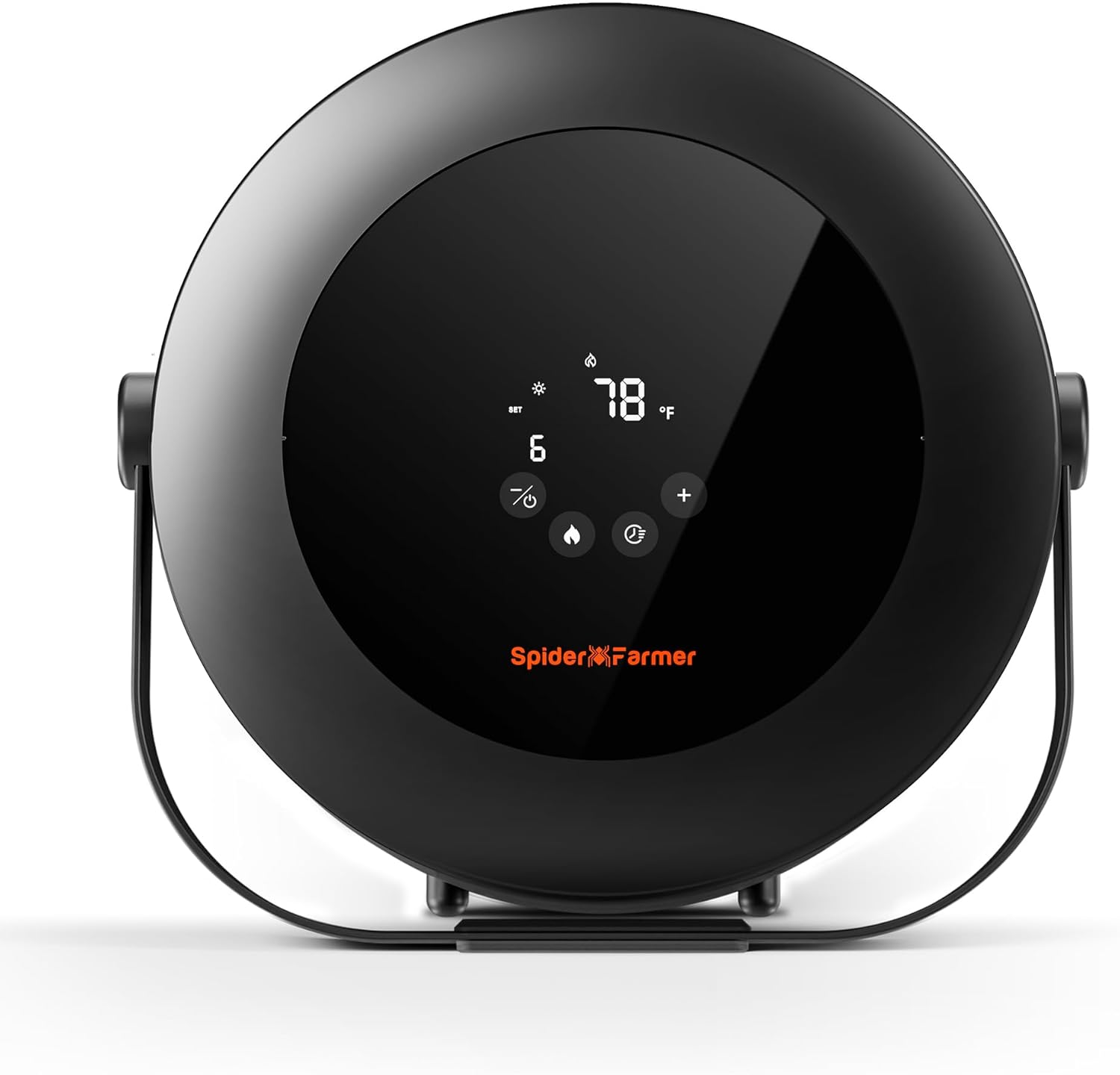
The Spider Farmer SF-Heater is an electric grow tent heater intended for gardeners who need supplemental warmth in a tent, plant room, or compact greenhouse-style growing area. Based on the listed specifications, it uses 530W PTC heating and plugs into 110V AC power, making it a targeted option for controlled plant spaces rather than a broad outdoor patio heater.
The main gardening value is its temperature-focused control system. The product information describes all-day mode, day and night temperature modes, a timer mode, and an always-on mode. For seed starting, overwintering tender plants, or keeping a grow tent from dropping too low overnight, these modes can help match heat output to the growing schedule. The built-in sensor updates readings regularly, and the display alternates between the set temperature and the current temperature.
Its controls are more advanced than a basic plug-in heater. Gardeners can choose from 10 heating and fan levels, set a 24-hour countdown timer, and adjust the deadband, which is the temperature range that tells the heater when to stop and restart. The default deadband is listed as 3 degrees, while the product information suggests setting it to 1 degree if tighter control is needed. The included 160 cm adjustable hose is meant to route warm air and avoid direct blowing on plants.
The unit measures 12 inches by 12 inches by 6.3 inches and weighs 5.38 pounds, so it is relatively compact for floor placement in a grow setup. Included components are listed as the grow tent heater, temperature sensor, RJ12 cable, and vent hose. Reviewers commonly mention easy setup and good performance in smaller grow tents, although one reviewer noted wanting clearer instructions for setting temperature ranges.
There are a few practical cautions. This heater still requires safe electric-heater habits, including stable placement, keeping the unit and cords away from water, and following the manual for error codes and maintenance. Temperature stability can depend on where the sensor is placed, how airflow moves through the tent, and how much heat grow lights add. One critical review reported wider-than-expected temperature swings, so gardeners should monitor conditions after setup rather than assuming the first settings are perfect.
This is a sensible choice for gardeners who want a purpose-built heater for a small grow tent or plant room and are comfortable learning its control modes. Gardeners trying to warm a large greenhouse, an uninsulated outbuilding, or a space exposed to severe cold may want to consider a higher-capacity heating approach matched to that larger area.
Best For / Avoid If
Best for buyers prioritizing
- Designed specifically around grow tent and plant-room temperature control rather than general patio heating.
- Multiple operating modes allow all-day heating, day/night temperature targets, timer use, or continuous fan and heat operation.
- Includes the heater, temperature sensor, RJ12 cable, and vent hose needed for the listed setup.
Consider another option if
- The control modes and setting confirmation steps may take careful reading of the manual, especially for beginners.
- At 530W, it may be less suitable for large, poorly insulated, or very cold greenhouse spaces.
- Temperature readings can be affected by airflow and sensor placement, so setup may require adjustment for steadier results.

Pros
- Includes both a heater and digital thermostat in the listed components.
- Forced-air heating method can help distribute warmth through the immediate greenhouse space.
- Runs on standard 120V AC power according to the specifications.
- Portable handle and floor-mount form factor support flexible placement.
- Listed metal construction supports durability for garden and greenhouse use.
Cons
- The product data does not specify a recommended coverage area, so sizing it for a particular greenhouse may require caution.
- As an electric 1500W heater, it requires access to a suitable AC outlet and safe cord placement in damp garden environments.
- Listed dimensions are not fully consistent across the product information, so gardeners with tight spaces may want to verify fit before buying.
The POOPLE 1500W Greenhouse Heater is a portable electric forced-air heater intended for greenhouses, grow tents, and similar plant-growing spaces. Based on the listed specifications, it is designed for gardeners who need supplemental warmth and prefer a floor-mounted unit that can be moved as seasonal needs change.
The main gardening value is the combination of 1500W heat output and a digital thermostat. The thermostat uses a waterproof temperature probe to sense air temperature, and the adjustable range is listed from 40°F to 108°F. That gives home growers more control than a simple plug-in heater, especially when trying to avoid large temperature swings around tender plants.
This unit also includes two operating modes: a 25W fan mode and a 1500W heating mode. Fan-only operation can be useful when airflow is needed without additional heat, while the heating mode provides the unit’s full warming function. The product information also lists overheat protection through a self-resetting thermal circuit breaker, which is an important safety feature for any heater used around growing supplies.
For design, the heater is listed as a compact, portable, floor-mounted unit with a carrying handle and yellow metal housing. The supplied dimensions are not completely consistent, with one section listing 7.5 by 8.7 by 10.9 inches and another listing 10 by 7 by 17 inches, so gardeners working in a small grow tent or narrow greenhouse aisle should confirm placement space carefully.
In practical use, this heater is most relevant for backyard greenhouse owners, small-space growers, and seed-starting setups that need controlled supplemental warmth from an electric source. It may be less suitable for gardeners who need a clearly stated coverage area, a permanently mounted heating system, or a non-electric heat source. As with any greenhouse heater, keep it stable, clear of flammable materials, and connected only where the electrical setup is appropriate for the environment.
Best For / Avoid If
Best for buyers prioritizing
- Includes both a heater and digital thermostat in the listed components.
- Forced-air heating method can help distribute warmth through the immediate greenhouse space.
- Runs on standard 120V AC power according to the specifications.
Consider another option if
- The product data does not specify a recommended coverage area, so sizing it for a particular greenhouse may require caution.
- As an electric 1500W heater, it requires access to a suitable AC outlet and safe cord placement in damp garden environments.
- Listed dimensions are not fully consistent across the product information, so gardeners with tight spaces may want to verify fit before buying.

Pros
- Listed coverage of about 200 square feet fits many small garages, workshops, basements, and compact greenhouse spaces.
- Manual controls are simple for beginners or older users who do not want app setup or complex programming.
- Includes both heat settings and a fan-only natural wind mode for basic air movement when heat is not needed.
- Compact stated dimensions, 7.1 inches deep by 9.8 inches wide by 15.8 inches high, make it easier to store between cold snaps.
Cons
- Indoor use is specified, so it is not a general outdoor heater for exposed patios, sheds, or wet greenhouse conditions.
- The 6-foot cord may limit placement, and portable heaters should be plugged directly into a suitable grounded outlet rather than used casually with extension cords.
- Gardeners needing precise climate control for sensitive plants may prefer a greenhouse-specific heating setup with more detailed temperature management.
The SHINIC FW606-15CG is a milkhouse-style electric utility heater designed for supplemental indoor warmth in spaces such as garages, shops, basements, bedrooms, and greenhouse areas listed by the product information. For gardeners, its most relevant role is helping make a cold potting corner, seed-starting work area, or enclosed greenhouse workspace more comfortable during chilly weather.
Its listed output includes 1500W high heat, 1300W low heat, and a fan-only mode, with heating coverage stated at about 200 square feet. The forced-air design uses a fan to move warmed air, which can be useful in a small garage or hobby greenhouse where still cold air tends to settle around benches and stored supplies.
The heater has a durable metal housing, a stay-cool carry handle, and manual rotary controls for heat level and thermostat adjustment. Its compact listed size, 7.1 inches deep by 9.8 inches wide by 15.8 inches high, makes it easier to place near a work area without taking up much floor space, while the standing pedestal form keeps setup straightforward.
In a backyard gardening routine, this type of heater makes the most sense as temporary supplemental heat while you are working, organizing tools, tending seedlings, or spending time in an enclosed utility space. It may also be useful in a garage or basement where potting soil, containers, and overwintered supplies are stored, provided the area has a suitable grounded indoor outlet.
Safety deserves careful attention with any portable heater. The product information lists a 3-prong grounded plug, overheat protection, and tip-over auto shutoff, but it should still be kept clear of water, fabric, plant debris, mulch, and other combustibles. Because the specifications identify it as indoor use, it should not be treated as a weather-resistant outdoor heater.
This SHINIC model is a practical option for gardeners who want a simple, portable utility heater for small indoor workspaces rather than a full greenhouse climate-control system. If you need exact plant-temperature regulation, unattended long-term heating, or use in damp outdoor conditions, a purpose-built greenhouse heating solution may be the better fit.
Best For / Avoid If
Best for buyers prioritizing
- Listed coverage of about 200 square feet fits many small garages, workshops, basements, and compact greenhouse spaces.
- Manual controls are simple for beginners or older users who do not want app setup or complex programming.
- Includes both heat settings and a fan-only natural wind mode for basic air movement when heat is not needed.
Consider another option if
- Indoor use is specified, so it is not a general outdoor heater for exposed patios, sheds, or wet greenhouse conditions.
- The 6-foot cord may limit placement, and portable heaters should be plugged directly into a suitable grounded outlet rather than used casually with extension cords.
- Gardeners needing precise climate control for sensitive plants may prefer a greenhouse-specific heating setup with more detailed temperature management.

Pros
- Uses a standard 120V corded electric power source with a 6-foot cord and polarized plug.
- Small, portable design with a carry handle and sturdy base is practical for moving between work areas.
- Steel construction is better suited to utility spaces than many lightweight plastic household heaters.
- Built-in thermostat and fan-only mode provide more flexibility than a simple on-off heater.
- Reviewers commonly describe it as useful for localized heat in small spaces, while noting it is not a large-room solution.
Cons
- May be less suitable for large garages, high-ceiling spaces, or poorly insulated areas despite the listed coverage.
- Indoor-use specification means it should not be treated as a weatherproof outdoor heater.
- At 1500W and 12.5 amps, it needs an appropriate outlet and careful cord management in busy garden work areas.
The DuraHeat EUH1465 is a compact electric forced-air heater intended for small spaces where gardeners, homeowners, or DIY users need supplemental warmth. For garden use, its most relevant role is in an indoor greenhouse, potting corner, garage workbench area, basement utility room, or similar enclosed workspace where a full-size heater would be unnecessary.
The product information lists a 1500W PTC ceramic heating element, 5,120 BTU heat output, and coverage up to 250 square feet. In plain terms, this is a small forced-air heater designed to move warm air toward the area where you are working, rather than heat a large open building. The fan-only setting also lets it serve as a simple air circulator when heat is not needed.
Its steel cabinet, yellow and black finish, carry handle, and floor-mount base give it more of a shop-heater feel than a decorative room heater. Listed dimensions are compact at about 6.5 inches deep, 8 inches wide, and 8.5 inches high, with a listed weight of 4.4 pounds. The 6-foot cord and 120V power requirement make placement straightforward near a suitable outlet.
For gardeners, this heater makes the most sense as localized comfort heat while starting seeds, repotting plants, organizing supplies, or working at a bench in a chilly garage or enclosed greenhouse. It may also be useful in a small basement plant room or utility space where you want directed warmth without installing a permanent heater.
There are important limits to keep in mind. The specifications identify it as an indoor heater, so it should not be exposed to weather or treated as outdoor-rated equipment. Keep the intake and outlet clear of dust, leaves, potting mix, plastic sheeting, and other materials, and use an appropriate electrical circuit for the listed 12.5-amp draw.
Overall, the DuraHeat EUH1465 is a practical choice for gardeners who need portable, plug-in supplemental heat in a small enclosed workspace. Gardeners trying to warm a large uninsulated greenhouse, broad garage, or freeze-prone structure may want a larger heater or a purpose-built greenhouse heating setup.
Best For / Avoid If
Best for buyers prioritizing
- Uses a standard 120V corded electric power source with a 6-foot cord and polarized plug.
- Small, portable design with a carry handle and sturdy base is practical for moving between work areas.
- Steel construction is better suited to utility spaces than many lightweight plastic household heaters.
Consider another option if
- May be less suitable for large garages, high-ceiling spaces, or poorly insulated areas despite the listed coverage.
- Indoor-use specification means it should not be treated as a weatherproof outdoor heater.
- At 1500W and 12.5 amps, it needs an appropriate outlet and careful cord management in busy garden work areas.
Best Greenhouse Heater With Thermostat Buying Guide
Sizing Your Heater to Greenhouse Square Footage
Heating coverage varies a lot across this category. The DR. INFRARED HEATER DR218 lists heating coverage of about 150 square feet, while the Dura Heat EUH1465 is rated to heat up to 250 square feet, and the SmterCon and GRPWWT auto-control kits state efficient heating for spaces up to about 120 square feet. Matching the stated coverage to your actual greenhouse footprint helps avoid buying a unit that struggles to keep up on the coldest nights, or one that is oversized and cycles on and off too often.
Smaller grow tents and hobby greenhouses may do fine with lower-wattage options like the VIVOSUN AeroFlux at 700W or the Spider Farmer heater at 530W, both of which are described as suited to grow tents and compact plant rooms rather than large walk-in structures.
Understanding Thermostat and Temperature Control Types
Not all thermostats work the same way. Some models, like the POOPLE heater, use a digital display paired with a waterproof temperature probe and let you set a specific target in the 40 to 108 degree Fahrenheit range. Others, like the SHINIC milkhouse heater, use a simpler adjustable rotary thermostat dial, which is easier for some users to operate at a glance but offers less precision.
Kits from SmterCon and GRPWWT include an independent digital thermostat that monitors temperature and automatically switches the heater on or off, which is described as helping reduce energy use compared to running a heater continuously. If precise, hands-off temperature maintenance matters most to you, prioritize a listing that specifically mentions an automatic on and off cycle tied to a temperature sensor rather than a manual dial alone.
Heating Power: Wattage, PTC, and Infrared Options
Most of the heaters compared here run on 1500W ceramic PTC elements, including the POOPLE, VEVOR, SmterCon, Shinic, and GRPWWT models. PTC ceramic elements are described by these brands as delivering fast, even heating. Lower-wattage PTC options like the VIVOSUN AeroFlux and Spider Farmer units trade some raw output for compact size, which suits smaller enclosed spaces such as grow tents.
The two DR. INFRARED HEATER models use infrared heating instead of forced-air PTC elements. According to the brand, infrared heat applies directly to objects and plants rather than warming the surrounding air first, which it states can be more effective in colder areas where convection heat loss is a concern. This is a different heating approach worth considering if your greenhouse has drafty gaps.
Safety Features: Overheat and Tip-Over Protection
Because greenhouses combine electrical equipment with moisture and organic material, safety features deserve close attention. Several models in this comparison list overheat protection, including a self-resetting thermal circuit breaker on the POOPLE heater and independent overheat protection on the SmterCon and GRPWWT kits. The SHINIC heater specifically lists both tip-over and overheat protection, automatically shutting off if the unit is tilted or dropped.
Always follow the manufacturer’s placement guidance and your local electrical code when running a heater in a greenhouse, particularly around watering equipment, extension cords, and combustible materials like dried mulch or stored supplies.
Weather Resistance and Indoor vs Outdoor Use
Water resistance ratings vary by model and matter for greenhouse use, since humidity and condensation are common. The DR. INFRARED HEATER portable model lists an IPX5 water resistance rating for indoor and outdoor use, while the DR218 model lists an IPX4 rating protecting against water splashing. The POOPLE heater’s manufacturer describes its metal housing as built for durability and weather resistance, though specific ingress protection figures are not listed for that model.
If your greenhouse is unheated structure with high humidity or if you plan to use the heater in a partially open space, favor models with a stated water resistance rating over those that only mention general durability.
Portability, Mounting, and Storage
For older gardeners or anyone managing a small greenhouse, portability and easy placement matter. The POOPLE heater is a compact 7.5 x 8.7 x 10.9 inches with a carrying handle, and the Dura Heat unit measures about 8.5 x 8 x 7 inches with a sturdy base and easy-grip handle. The DR. INFRARED HEATER portable model offers multiple mounting options, including wall mount, ceiling mount, or hanging by chain, which can free up floor space in a crowded greenhouse.
Between growing seasons, store any electric heater in a dry location away from moisture and check the power cord for wear before the next cold season.
Common Mistakes to Avoid
- Choosing a heater by wattage alone without checking the stated square footage coverage against your actual greenhouse size.
- Relying on a manual dial thermostat in a greenhouse with wide day-to-night temperature swings, which can lead to more frequent manual adjustments.
- Placing a heater directly against plant foliage or near a watering line without checking the manufacturer’s clearance guidance.
- Ignoring the water resistance rating when the greenhouse experiences regular condensation or splashing from watering.
Maintenance and Seasonal Care
Routine maintenance for these heaters is generally described as low. The DR218 model is noted by the manufacturer as requiring low maintenance. In general, keeping vents and heating elements free of dust, checking that the temperature probe or sensor is unobstructed, and inspecting the power cord and plug before each heating season are reasonable habits for any electric greenhouse heater, based on the safety features these listings describe.
Research Methodology and Trust
Our research process starts with relevance screening: every product considered for this guide had to be explicitly marketed as a greenhouse, grow tent, or plant-space heater with some form of thermostat or temperature control, ruling out general household heaters without a horticultural use case. From there, we compared listed specifications side by side, including wattage, heating coverage, thermostat type, and stated safety features such as overheat and tip-over shutoff.
We also reviewed available owner feedback and star ratings to understand how these heaters perform in practice, from reliability of the thermostat to ease of setup. This analysis is based on manufacturer listings and publicly available product data rather than in-person testing in our own greenhouse, and we describe specifications and features as reported rather than claiming hands-on verification.
Ranking factors specific to this category included how precisely each thermostat controls temperature, whether the heater is rated for the humidity and space constraints typical of a greenhouse, and how well the stated coverage area matches common home greenhouse and grow tent sizes. This guide was reviewed and updated in August 2026 to reflect current listings and pricing.
Final Recommendations
For most home greenhouses, the DR. INFRARED HEATER Portable Infrared Space Heater (B0BPVDH521) stands out as the Overall Pick. It combines a digital display with a thermal probe sensor, an IPX5 water resistance rating for indoor or outdoor use, multiple mounting options, and a large base of owner reviews, making it a well-rounded choice for gardeners who want reliable, flexible temperature control.
If your greenhouse or grow space is small, the SHINIC Space Heater (B0B8QY79W1) is our Small-Space Pick. At the lowest price point in this comparison and with a compact, durable metal housing plus tip-over and overheat protection, it suits a modest greenhouse or garage corner without a large footprint. For gardeners who want a simple, largely hands-off setup, the SmterCon Greenhouse Heater with Thermostat (B0H2Y7XXY7) is a solid Beginner Pick, since its auto temperature control kit and digital display are designed to maintain a target temperature automatically once set.
Ultimately, the right choice depends on your greenhouse size, humidity levels, and how much manual adjustment you want to do. Reviewing the specific coverage area, thermostat type, and safety features listed for each model against your own space will help you land on the best fit from this comparison.
FAQ
How do I choose the best greenhouse heater with thermostat for my space?
Start by measuring your greenhouse or grow tent square footage and compare it to the coverage area listed for each heater, such as the 120 to 250 square foot ranges described in this guide. Then decide whether you want a digital thermostat with a temperature probe for precise automatic control, or a simpler adjustable dial for basic on and off adjustment.
What size heater do I need for a small backyard greenhouse?
For compact greenhouses or grow tents, lower-wattage models such as the 700W VIVOSUN AeroFlux or the 530W Spider Farmer heater are designed for smaller enclosed spaces. Larger walk-in greenhouses generally call for a 1500W unit with a higher stated coverage area, like the Dura Heat model rated up to 250 square feet.
Are thermostat-controlled greenhouse heaters safe to leave running overnight?
Several models in this comparison include overheat protection and some, like the SHINIC heater, add tip-over shutoff for extra safety. Even so, always follow the manufacturer’s instructions, keep the heater clear of plants and flammable materials, and check your local electrical code before leaving any heater unattended for extended periods.
How long do greenhouse heaters with a thermostat typically last?
Lifespan depends on build quality, usage frequency, and exposure to humidity. Models with steel or metal housings, such as the VEVOR and Dura Heat units, are described by their manufacturers as built for durability. Regularly inspecting the cord, vents, and sensor probe can help extend the working life of any unit.
Can I use a greenhouse heater in a humid or outdoor-adjacent space?
Some models list specific water resistance ratings, such as the IPX5 rating on the DR. INFRARED HEATER portable model or the IPX4 rating on the DR218 model, which indicate protection against water splashing. If your greenhouse experiences regular condensation, choosing a heater with a stated water resistance rating is a safer option than one without published ingress protection figures.
How should I store my greenhouse heater when it is not in use?
Store the heater in a dry, indoor location away from moisture and dust between growing seasons. Coil the power cord loosely, check it for wear before your next use, and keep the unit somewhere it will not be knocked over or exposed to pests.
What is the difference between PTC and infrared greenhouse heaters?
PTC ceramic heaters, used in most models in this comparison, warm the surrounding air and often include a fan to circulate heat. Infrared heaters, like the two DR. INFRARED HEATER models, apply heat directly to objects and plants rather than warming the air first, which the brand states can be more effective in colder, drafty spaces.
Continue your garden research
Browse more practical guides in Greenhouses & Garden Storage.
See how Dove Creek Gardens researches and compares products.