

Soggy, slimy, or sour-smelling compost is one of the most common frustrations for home gardeners, especially after heavy rain or when kitchen scraps pile up faster than dry material can absorb the moisture. This guide on how to fix compost that is too wet is written for beginners, homeowners managing backyard bins, older gardeners who want a low-effort routine, and anyone composting in a small space where a wet pile can quickly become a smelly problem. We reviewed the current product data available for this topic, and 0 products met the relevance criteria for this specific fix, so this guide focuses entirely on proven composting techniques rather than product comparisons.
Because no qualifying products were available to evaluate, the sections below explain the practical steps experienced composters use to correct excess moisture, along with the mistakes that make wet compost worse. If you are building or refining a composting setup, the Compost, Soil & Mulch category page covers related tools and materials that support healthier compost management over time.
How To Fix Compost That Is Too Wet: Buying Guide
Even without specific products to recommend, understanding what causes wet compost and how to correct it will help you choose the right tools, materials, and bin setup going forward. The factors below reflect the core principles of aerobic composting, where the goal is enough moisture to support decomposition without saturating the pile.
Identifying Excess Moisture
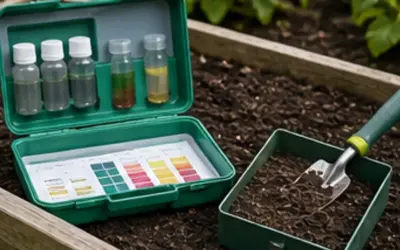
Compost that is too wet often looks matted, smells sour or like ammonia, and feels like a wrung-out sponge rather than a crumbly texture. A simple squeeze test can help: if water drips out easily when you grab a handful, the pile has too much moisture and needs dry material or better drainage.
Adding Dry Carbon-Rich Material
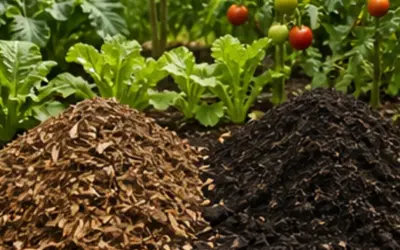
The most reliable fix for wet compost is mixing in dry, carbon-rich material such as shredded cardboard, dry leaves, straw, or sawdust. These materials absorb excess liquid and restore the balance between nitrogen-rich “greens” and carbon-rich “browns” that most compost systems rely on.
Turning and Aeration
Turning the pile introduces oxygen, which helps evaporate excess moisture and prevents the compacted, airless conditions that lead to bad odors. Regular turning, ideally every few days when a pile is actively too wet, speeds up drying and keeps decomposition aerobic rather than anaerobic.
Improving Drainage and Placement
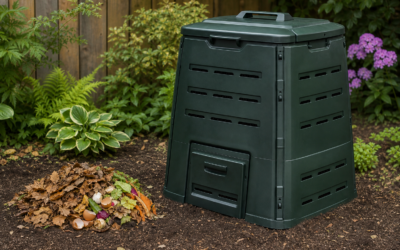
If a bin sits in a low spot or lacks drainage holes, rainwater can collect and keep the pile saturated no matter how much dry material you add. Relocating a bin to higher ground, adding drainage holes, or covering an open pile during heavy rain reduces how often this problem recurs.
Common Mistakes That Make Wet Compost Worse
Adding more food scraps to a wet pile without balancing them with dry material typically makes the problem worse, since fresh scraps add more moisture. Leaving a pile uncovered during rainy weather, skipping regular turning, and packing material too tightly are also common reasons compost stays soggy longer than necessary.
Routine Maintenance To Prevent Recurrence
Once moisture levels are corrected, a simple routine of alternating wet and dry additions, turning the pile on a consistent schedule, and monitoring the pile after rain will help prevent the problem from returning. Keeping a stockpile of dry leaves or shredded cardboard nearby makes it easy to rebalance the pile as soon as it starts to feel too damp.
Accessibility and Small-Space Considerations
For older gardeners or anyone managing a compact composting setup, smaller and more frequent adjustments are easier than trying to overhaul a large, heavy pile all at once. Working in smaller batches, using lighter tools, and choosing a bin at a comfortable height can make ongoing moisture management far less physically demanding.
Research Methodology And Trust
Our process for this guide started with a relevance screening step, checking whether any supplied products were designed specifically for correcting overly wet compost within the Compost, Soil & Mulch category. This screening confirmed that no products in the available data matched the intended task closely enough to recommend responsibly.
Because product-specific evaluation was not possible, this guide instead relies on established composting principles that gardeners commonly reference when troubleshooting moisture problems, including moisture testing, carbon-to-nitrogen balance, and aeration frequency. These are the same factors that would normally guide specification comparison and owner-feedback analysis if qualifying products had been available.
This content was reviewed and updated during July 2026 to reflect current best practices for home composting. As with all our research-based guides, this analysis is not a substitute for hands-on product testing, and it should be read as practical educational guidance rather than a product endorsement.
Final Recommendations
No products in the supplied data matched the specific task of fixing compost that is too wet, so we are not able to recommend an Overall Pick, Small-Space Pick, or any other labeled winner for this guide. Recommending unrelated or loosely related items would not serve gardeners looking for a genuine solution to this problem.
Instead, the most reliable path forward is applying the moisture-balancing steps outlined above: adding dry carbon-rich material, turning the pile regularly, and improving bin drainage and placement. These techniques require no specialized products and are effective for gardeners at any experience level.
FAQ
What is the fastest way to fix compost that is too wet?
Mixing in dry, carbon-rich material like shredded cardboard, dry leaves, or straw is usually the fastest fix, since it absorbs excess moisture immediately. Turning the pile afterward helps distribute the dry material evenly and speeds up evaporation.
How often should I turn compost that is too wet?
Turning every two to three days is common while actively correcting a wet pile, since frequent aeration helps moisture escape and prevents anaerobic odors. Once the moisture level stabilizes, you can return to a less frequent turning schedule.
Why does my compost smell bad when it is too wet?
A sour or ammonia-like smell usually means the pile has become anaerobic due to excess moisture blocking airflow. Adding dry material and turning the pile more frequently typically resolves the smell as oxygen returns to the mix.
Can rain alone make compost too wet?
Yes, heavy or repeated rainfall is one of the most common causes of overly wet compost, especially in open bins or piles without covers. Improving drainage or adding a simple cover during storms can help prevent this recurring issue.
Is wet compost safe to keep using?
Wet compost is not inherently unsafe, but it can slow decomposition and encourage odors if left unaddressed. Correcting the moisture balance promptly helps keep the composting process healthy and reduces pest or odor concerns.
How do I prevent my compost from getting too wet again?
Maintaining a steady balance of dry and wet materials, turning the pile on a regular schedule, and keeping the bin covered during heavy rain are the most effective long-term prevention steps. Keeping extra dry material on hand makes it easy to respond quickly if the pile starts feeling too damp.

Write Your Review
No reviews yet. Be the first to share your experience!