

Choosing between drip irrigation and a soaker hose is one of the most common questions gardeners face once they move past hand watering. Both methods deliver water slowly and directly to the root zone, but they work differently, install differently, and suit different garden layouts. This guide is written for beginner gardeners setting up their first watering system, homeowners with established yards looking to save time, older gardeners who want a low-effort watering routine, and anyone working with a small patio or raised bed setup.
For this article, we reviewed the available product data connected to drip irrigation vs soaker hose to see which specific items could be fairly compared. No product listings matched the topic closely enough to include in a product-by-product review, so instead of forcing recommendations, this guide focuses on the practical differences between the two watering methods and the factors that matter most when deciding which one fits your garden. You can browse current options in our Watering & Irrigation section while you plan your setup.
When comparing drip irrigation vs soaker hose, the factors that matter most are garden layout and bed shape, water pressure available at the spigot, how much hands-on installation you want to do, and whether you need precise watering for individual plants versus even coverage along a row. The sections below walk through each of these considerations so you can make a confident decision based on your own garden, not a generic recommendation.
Drip Irrigation Vs Soaker Hose Buying Guide
Understanding the Difference Between Drip Irrigation and Soaker Hoses
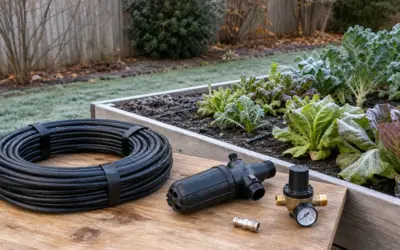
Drip irrigation typically uses a network of narrow tubing fitted with individual emitters that release water at specific points, near each plant or along a spaced pattern. Soaker hoses are porous along their entire length, so water seeps out gradually across the whole run rather than at fixed points. Drip systems generally offer more control over exactly where water goes, which matters for widely spaced plants like tomatoes or shrubs, while soaker hoses tend to suit dense plantings such as vegetable rows or flower beds where even moisture across a continuous strip is more useful than pinpoint targeting.
Coverage Area and Garden Layout
Think about the shape of the area you are watering before choosing a method. Long, straight rows in a vegetable garden are often easier to cover with a soaker hose laid down the length of the bed. Irregular layouts, container groupings, or beds with plants at different spacing usually work better with a drip system, since individual emitter lines can be routed and adjusted to reach each plant without wasting water on bare soil in between.
Water Pressure and Flow Requirements
Both systems are designed to run at lower pressure than a standard sprinkler, but they are not identical in how they handle pressure changes. Drip emitters are built to release a consistent flow within a defined pressure range, so a pressure regulator is often recommended to keep emitters working evenly across a long line. Soaker hoses are more forgiving of pressure swings but can water unevenly if the run is too long, with more moisture escaping near the spigot end than at the far end. Checking your outdoor water pressure and the manufacturer’s recommended range for whichever system you choose helps avoid uneven watering later.
Installation and Setup Considerations
Soaker hoses are generally simpler to set up since they connect directly to a spigot or garden hose and can be laid out in minutes without cutting tubing or attaching emitters. Drip systems usually require more upfront planning, including laying out mainline tubing, punching holes for emitters, and securing lines with stakes. Beginners who want a fast, low-commitment setup often start with a soaker hose, while gardeners who plan to expand their system over multiple seasons may prefer the flexibility that drip components offer, even with the added setup time.
Leak Prevention and Long-Term Reliability
Both watering methods can develop leaks over time, particularly at connection points, sharp bends, or areas exposed to direct sun. Regularly walking the line during the growing season to check for pooling water, dry spots, or cracked fittings helps catch problems early. Soaker hoses tend to wear from the inside out as the porous material degrades, while drip tubing more commonly develops issues at emitter connections or where rodents or garden tools have caused punctures.
Scheduling and Automation Options
Both drip irrigation and soaker hoses can be paired with a simple timer to automate watering, which is especially helpful for gardeners who travel or find it hard to remember a daily schedule. Drip systems are often easier to combine with zone-based timers if you have multiple beds with different watering needs, since separate lines can run on separate schedules. A single soaker hose setup is usually simpler to automate with one basic timer connected at the spigot.
Winter Storage and Seasonal Maintenance
In climates with freezing winters, both systems should be drained and disconnected before temperatures drop to prevent cracking. Soaker hoses can usually be coiled and stored in a shed or garage much like a standard garden hose. Drip tubing and emitters often benefit from being flushed with water before storage to clear out any mineral buildup or debris that accumulated during the season, which helps maintain even flow the following year.
Accessibility and Small-Space Considerations
For older gardeners or anyone who wants to minimize bending and repeated adjustments, a system that requires less hands-on maintenance once installed is usually preferable. A soaker hose laid once at the start of the season and left in place can reduce ongoing effort. In small spaces like raised beds or patio containers, a compact drip setup with a few emitters is often easier to manage than a full-length soaker hose, since it can be tailored precisely to a handful of pots or a single small bed without excess tubing to store.
Research Methodology and Trust
Our process for this guide started by screening the available product data against the drip irrigation vs soaker hose topic and the Watering & Irrigation category to confirm relevance before considering any item for inclusion. None of the supplied product listings clearly matched drip irrigation systems or soaker hoses closely enough to support a fair, fact-based comparison, so we did not include product-specific recommendations in this article.
Instead, this guide draws on general, well-established differences between drip irrigation and soaker hose watering methods, focusing on layout compatibility, pressure requirements, installation effort, and seasonal upkeep. This is a research-based comparison rather than a hands-on test, and it should be used alongside manufacturer instructions for whichever specific product you eventually choose.
We will revisit this article as new, clearly relevant product data becomes available so it can include a proper side-by-side comparison. As of July 2026, this guide reflects the most accurate, evidence-based information we can responsibly provide given the current product data.
Final Recommendations
Because no product listings in our data clearly matched the drip irrigation vs soaker hose topic, we are not able to name a specific Overall Pick, Beginner Pick, or Accessible Choice in this article. Recommending a product without verified, matching specifications would not serve gardeners looking for reliable guidance.
Instead, use the buying guide above to decide which watering method fits your garden. Choose a soaker hose if you want a simple, low-cost setup for straight rows or dense plantings, and lean toward drip irrigation if you need precise watering for individual plants, containers, or an irregularly shaped bed. Visit our Watering & Irrigation section to compare current products as new options become available.
Frequently Asked Questions
Is drip irrigation vs soaker hose a better choice for raised beds?
Raised beds often work well with either method, though drip irrigation can be easier to customize around individual plants in a smaller footprint. A soaker hose is a simpler option if the bed has one continuous planting, such as a row of vegetables, and you want quick setup without individual emitters.
How do I decide between drip irrigation and a soaker hose for my garden?
Start by looking at your garden layout, water pressure, and how much time you want to spend on installation. Soaker hoses suit dense, uniform plantings with minimal setup, while drip systems suit spaced-out plants or containers where targeted watering matters more.
Do I need a pressure regulator for drip irrigation vs soaker hose systems?
Drip irrigation systems commonly benefit from a pressure regulator to keep emitter flow consistent along the line. Soaker hoses are generally more tolerant of pressure changes, though very high pressure can still shorten their lifespan, so checking manufacturer guidance is still worthwhile.
How should I store drip irrigation or soaker hose equipment for winter?
Both systems should be drained and disconnected before freezing temperatures arrive. Soaker hoses can usually be coiled and stored like a standard hose, while drip tubing benefits from a quick flush to clear debris before it is coiled and put away for the season.
Which option is easier for older gardeners to maintain?
A soaker hose that is laid out once at the start of the season and left in place often requires less ongoing adjustment, which can be helpful for gardeners who want to minimize bending and repeated maintenance. A simple drip setup with few components can also work well once it is installed and left undisturbed.
Can drip irrigation vs soaker hose systems be used together in the same garden?
Many gardeners use both methods in different parts of the same yard, choosing soaker hoses for dense vegetable rows and drip irrigation for containers or spaced shrubs. Running them as separate zones with individual timers can make this combination easier to manage.
How long do drip irrigation and soaker hose systems typically last?
Lifespan depends heavily on material quality, sun exposure, and winter storage habits, and specific figures vary by product, so check manufacturer documentation for the item you choose. Regularly inspecting lines for cracks, clogs, or leaks and storing equipment properly each winter generally helps extend usable life.

Write Your Review
No reviews yet. Be the first to share your experience!