

Many home gardeners assume mulch and compost do the same job, but they solve different problems in a vegetable garden. Mulch sits on top of soil to block weeds, hold moisture, and moderate soil temperature, while compost is worked into soil to add nutrients and improve structure. This guide is written for beginner gardeners, homeowners planning their first vegetable beds, older gardeners who want lower-maintenance solutions, and anyone gardening in a small yard or raised bed where every inch of space and every bag of material matters.
For this topic, 0 specific products were available for review, so this guide focuses on the practical differences between mulch and compost rather than ranking individual brands. Instead, the sections below explain how each material behaves, how much you need, how often to reapply it, and which option fits particular garden goals such as weed suppression, soil building, or water retention. If you are shopping for bagged or bulk soil amendments, our Compost, Soil & Mulch category page is a useful starting point for comparing current options.
Selection criteria that matter most when choosing between mulch and compost include your garden’s current soil condition, how much weeding and watering time you want to save, whether you are building new beds or maintaining established ones, and how much material you can realistically source, carry, and spread. Keeping these factors in mind will help you decide whether you need mulch, compost, or both working together.
Mulch Vs Compost For Vegetable Garden Buying Guide
Understanding What Each Material Does
Compost is decomposed organic matter that feeds soil biology and adds nutrients as it breaks down further. It is typically mixed into the top few inches of soil or used as a top-dressing that slowly works its way in with watering and worm activity. Mulch, by contrast, is a surface layer such as straw, shredded leaves, wood chips, or grass clippings that stays largely intact on top of the soil, physically blocking sunlight from reaching weed seeds and slowing evaporation from the soil beneath it.
Because they serve different functions, most vegetable gardens benefit from using both rather than choosing one over the other. Compost addresses long-term soil fertility, while mulch addresses short-term moisture and weed control during the growing season.
Aeration and Decomposition Rate
Compost needs airflow while it is actively decomposing, whether it comes from a bin you manage yourself or from a bagged product that has already finished breaking down. Finished compost should smell earthy rather than sour, and it should crumble easily rather than clump. Mulch decomposes much more slowly on the soil surface, which is why materials like wood chips can last a full season or longer before needing to be topped off.
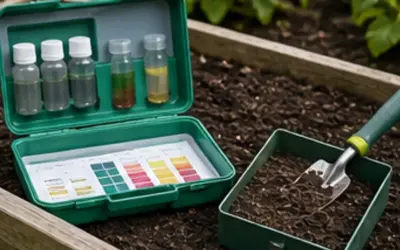
A common mistake is applying compost that has not fully broken down. Unfinished compost can rob nitrogen from nearby plants as it continues to decompose, so it is worth checking that any compost you buy or make is labeled or tested as fully cured before mixing it into vegetable beds.
Application Depth and Placement
Compost is generally worked into the top two to four inches of soil before planting, or applied as a thin top-dressing around established plants during the season. Mulch is applied after planting, in a layer thick enough to block light from reaching the soil, while leaving a small gap around plant stems to reduce the risk of rot or pest problems at the base of the plant.
Placing mulch too close to stems or piling it too high are frequent mistakes that can trap moisture against plant tissue. Keeping mulch a few inches away from stems and checking depth periodically helps avoid this issue.
| Factor | Mulch | Compost |
|---|---|---|
| Primary purpose | Weed suppression and moisture retention | Nutrient addition and soil structure improvement |
| Placement | Surface layer around plants | Mixed into soil or top-dressed |
| Decomposition speed | Slow, lasts a season or more | Already decomposed before use |
| Reapplication | As layer thins or breaks down | Typically once or twice per growing season |
Measuring How Much You Need
Calculating coverage for either material starts with the square footage of your growing area. Compost is usually measured in cubic feet or cubic yards needed to cover the bed at a specific depth before tilling it in, while mulch coverage is calculated the same way but applied on top of existing soil rather than blended into it. Raised beds and small garden plots often require far less material than gardeners expect, which makes it worth measuring bed dimensions before buying bagged product in bulk.
For small spaces such as container gardens or a single raised bed, buying smaller bagged quantities of both compost and mulch is often more practical than purchasing bulk material that may go unused.
Turning, Handling, and Mixing
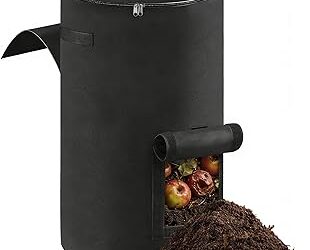
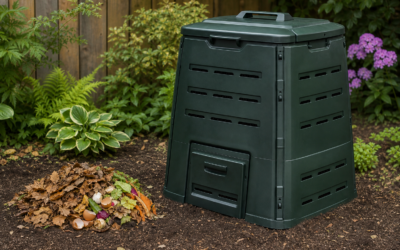
Compost that you make at home requires periodic turning to keep airflow moving through the pile and speed up decomposition. Bagged, finished compost skips this step for you, which can be a meaningful advantage for older gardeners or anyone who wants to avoid the physical labor of turning a compost pile. Mulch generally requires less physical handling once it is spread, though materials like wood chips can be heavy to move in bulk and easier to manage in smaller bags or with a wheelbarrow.
If lifting and shoveling are a concern, look for compost and mulch sold in smaller bag sizes, and consider spreading application over a few sessions rather than one long day of work.
Routine Upkeep and Reapplication
Mulch thins out over a growing season as it breaks down and settles, so most vegetable gardens need a top-up layer partway through summer. Compost is typically applied once at planting time and again mid-season as a light top-dressing, depending on how nutrient-hungry the crops are. Checking mulch depth and soil appearance every few weeks helps you catch when either material needs replenishing before plants show stress.
Small-Space and Raised Bed Considerations
Raised beds and container gardens dry out faster than in-ground plots, which makes mulch particularly useful for reducing watering frequency. Because raised beds also have limited soil volume, compost plays an outsized role in maintaining fertility over multiple seasons, since nutrients are not replenished by surrounding native soil the way they might be in a traditional in-ground bed.
Gardeners with small spaces should prioritize a thin, well-maintained layer of both materials over a thick application of just one, since raised beds do not have room to absorb excess bulk material without crowding root space.
Cost and Sourcing
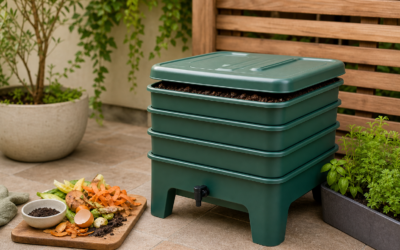
Compost can be made at home at little to no cost using kitchen scraps and yard waste, though it takes time to fully break down. Bagged compost and mulch purchased from a garden center offer convenience and consistency but add ongoing cost, especially for larger gardens. Comparing bulk delivery pricing against bagged product cost per cubic foot is worth doing before committing to either sourcing method, particularly for gardeners covering large vegetable plots.
Research Methodology and Trust
This guide was developed by reviewing available information on mulch and compost materials commonly used in vegetable gardens, comparing how each material functions in terms of decomposition, placement, and maintenance needs. Because no specific bagged or bulk products were available for direct comparison at the time of writing in July 2026, this article focuses on category-level guidance rather than individual product rankings.
Rather than physical testing, this analysis draws on documented horticultural practices for applying mulch and compost, common recommendations for depth and placement, and general maintenance patterns reported by gardeners managing vegetable beds of varying sizes. Readers should treat this as research-based guidance rather than a hands-on product test.
Ranking factors for this category typically include how well a material supports soil aeration, how easily it can be measured and applied at the correct depth, how much routine upkeep it demands, and how well it fits small-space or raised bed gardens where soil volume is limited. As new products become available for direct comparison, this guide will be updated to reflect specific options.
Final Recommendations
No specific mulch or compost products were available for review in this comparison, so no individual product recommendations, such as an Overall Pick or Beginner Pick, can be made at this time. The supplied product data for this topic did not include any items matching mulch or compost intended for vegetable garden use.
Instead, gardeners are encouraged to use the buying guide above to evaluate any bagged or bulk mulch and compost products they are considering, paying close attention to whether compost is fully finished before use and whether mulch depth matches the needs of a vegetable bed. For current product options in this category, visit the Compost, Soil & Mulch section of the site.
Frequently Asked Questions
Should I use mulch or compost for my vegetable garden?
Most vegetable gardens benefit from using both. Compost improves soil fertility and structure when worked into the bed, while mulch sits on top to block weeds and hold moisture during the growing season.
How much mulch or compost do I need for a small raised bed?
Measure the square footage of the bed and the depth you plan to apply, then calculate cubic feet needed from that. Small raised beds often require far less material than gardeners expect, so it is worth calculating before buying bulk quantities.
How often should I reapply mulch in a vegetable garden?
Mulch typically needs topping up partway through the growing season as it thins out and breaks down. Checking depth every few weeks helps you catch when a fresh layer is needed.
Can compost that has not fully broken down harm my vegetable plants?
Yes, unfinished compost can pull nitrogen away from plants as it continues to decompose in the soil. It is best to use compost that is fully cured and has an earthy smell before mixing it into vegetable beds.
Is mulch or compost easier to maintain for older gardeners?
Bagged, finished compost and pre-bagged mulch both reduce physical labor compared to managing a home compost pile that needs regular turning. Smaller bag sizes and spreading application over multiple sessions can make either material more manageable.
Does mulch or compost work better in small-space and container gardens?
Mulch is especially useful in containers and raised beds because these setups tend to dry out faster than in-ground plots. Compost remains important too, since limited soil volume in small spaces benefits from regular nutrient replenishment.
How close to plant stems should mulch be placed?
Keep mulch a few inches away from plant stems rather than piling it directly against them. This helps reduce the risk of trapped moisture leading to rot or pest issues at the base of the plant.

Write Your Review
No reviews yet. Be the first to share your experience!