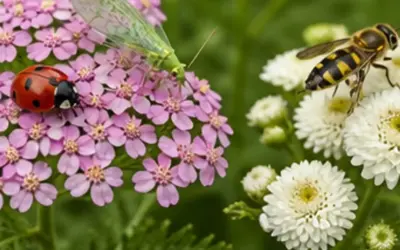



Blattläuse, Kohlmotten, Vögel und sogar Eichhörnchen können wochenlange sorgfältige Pflanzarbeit an einem einzigen Nachmittag zunichtemachen. Für Gärtner, die eine physische Barriere nutzen möchten, anstatt sich ausschließlich auf Spritzmittel zu verlassen, bieten Insektennetze für Gartenbeete eine unkomplizierte Möglichkeit, Schädlinge von Gemüse, Obst und Blumen fernzuhalten und gleichzeitig Sonnenlicht, Luft und Regen durchzulassen. Dieser Ratgeber vergleicht 15 Netzprodukte – von kleinen, vorgeschnittenen Abdeckungen für ein einzelnes Hochbeet bis hin zu großen Rollen, die für mehrere Beete, Reihen oder einen kleinen Obstgarten zugeschnitten werden können.
Dieser Vergleich richtet sich an Gartenanfänger, die ihr erstes Hochbeet anlegen, an Hausbesitzer, die ein bestehendes Gemüsebeet schützen möchten, an ältere Gärtner, die ein leicht anzuhebendes und zu befestigendes Netz ohne schweres Heben suchen, sowie an alle, die in einem kleinen Garten oder auf einer Terrasse gärtnern. Zu den Auswahlkriterien gehören die Maschenweite und die Schädlinge, die sie realistisch abhalten kann, die Materialbeständigkeit und UV-Resistenz, die einfache Montage und Entfernung sowie die Frage, ob das Netz für ein Standard-Hochbeet ausgelegt ist oder zugeschnitten werden muss.
Weitere Lösungen gegen Schädlinge und Wildtiere finden Sie in unserem Bereich Schädlinge und Wildtiere im Garten. Dort werden zusätzliche Ansätze vorgestellt, die Hausbesitzer mit einer physischen Barriere kombinieren können.
Garden Tailor 4×10 Fine Mesh Garden Netting for Raised Beds and Crop Pest Barriers RIFNY GN-10-33-2 Ultra-Fine Garden Netting for Raised Beds, Fruits, and Vegetable Protection FEEDGARDEN LX-HYW-8.10ft Garden Netting for Raised Beds and Vegetable Protection Sunwinx 2-Pack Fine Mesh Raised Bed Covers for Easy Vegetable and Flower Protection Prices and availability can change. We may earn a commission from qualifying purchases.


Einige Produktangaben unten sind noch auf Englisch; ihre Übersetzung wird überprüft.
Pros
- Breathable mesh allows water and airflow through while keeping the cover lightweight.
- Suitable for direct crop coverage or use with garden hoops and cages.
- Useful for small-space pest exclusion around vegetables, herbs, fruits, flowers, and young plants.
- Reviewers commonly mention that it is easy to handle and works as intended for plant protection.
Cons
- Hoops, pegs, clips, or other anchoring supplies are not included, and windy sites could require careful securing.
- Crops that depend on bee pollination need the net lifted or removed during flowering.
- The 4 by 10 foot size may be too small for larger beds, long rows, or full-size fruit tree coverage.
The Garden Tailor 4 by 10 foot fine mesh garden netting is a physical pest barrier for vegetables, fruits, flowers, herbs, and small plantings. Based on the listed specifications, it is made from high density polyethylene and is intended for use over crops, raised beds, garden hoops, fruit or vegetable cages, and similar protective setups.
The main benefit is simple exclusion. The product information lists protection against pests such as cabbage root fly, carrot fly, cabbage white butterfly, pea moth, leek moth, cutworm, onion fly, leaf miners, aphids, cicadas, rabbits, and other garden visitors. As with any netting, results depend on proper placement, sealed edges, and using it before pests get established.
The mesh size is listed as 0.03 inch, with 90 percent light passage and 95 percent air passage. That means it is designed to let light, airflow, rain, and irrigation pass through while still acting as a fine screen. It is light enough to rest directly on crops, but many gardeners may prefer using hoops to keep the mesh from pressing on tender plants as they grow.
For small gardens, this size is a practical fit for a short raised bed section, a few containers, young seedlings, herbs, brassicas, leafy greens, or a small berry patch. It can also be cut with scissors, which helps when fitting it to planter boxes, frames, or custom covers. Reviewers commonly describe it as lightweight and easy to use, with several using it for potted plants, basil, and planters.
There are a few important limitations. Hoops are not included, so gardeners who want a tunnel will need a separate support system and a way to secure the edges, such as buried edges, pegs, clips, or weights. In windy conditions, loose netting can blow away if it is not anchored well. One reviewer also noted concern about the edges appearing cut rather than sewn, so gardeners planning repeated seasonal reuse may want to handle and store it carefully.
This is a sensible choice for beginner and small-space gardeners who want a breathable, cut-to-fit barrier rather than a spray-based approach. Gardeners covering long rows, larger raised beds, or plants that need frequent bee pollination may want a larger net, a framed cover, or a setup that is easier to open during flowering.
Best For / Avoid If
Best for buyers prioritizing
- Breathable mesh allows water and airflow through while keeping the cover lightweight.
- Suitable for direct crop coverage or use with garden hoops and cages.
- Useful for small-space pest exclusion around vegetables, herbs, fruits, flowers, and young plants.
Consider another option if
- Hoops, pegs, clips, or other anchoring supplies are not included, and windy sites could require careful securing.
- Crops that depend on bee pollination need the net lifted or removed during flowering.
- The 4 by 10 foot size may be too small for larger beds, long rows, or full-size fruit tree coverage.
Pros
- Large total coverage area in two separate pieces for flexible garden setups.
- Fine mesh design is useful for gardeners looking for a physical plant barrier around brassicas, berries, seedlings, and similar crops.
- Allows air, rain, and light to pass through based on the listed product features.
- Easy to trim to size for pots, low tunnels, raised beds, or frame-supported covers.
- Lightweight and see-through, which can make routine plant checks more convenient.
Cons
- Because the mesh can exclude beneficial insects as well as pests, flowering crops that need pollination may require temporary uncovering or another setup.
- Edges need to be secured with soil, stones, staples, clips, or a frame, so installation may take extra care in windy areas.
- Some reviewers report stretching, tearing, or animal tangling concerns, so it should be kept taut, checked often, and placed with wildlife safety in mind.
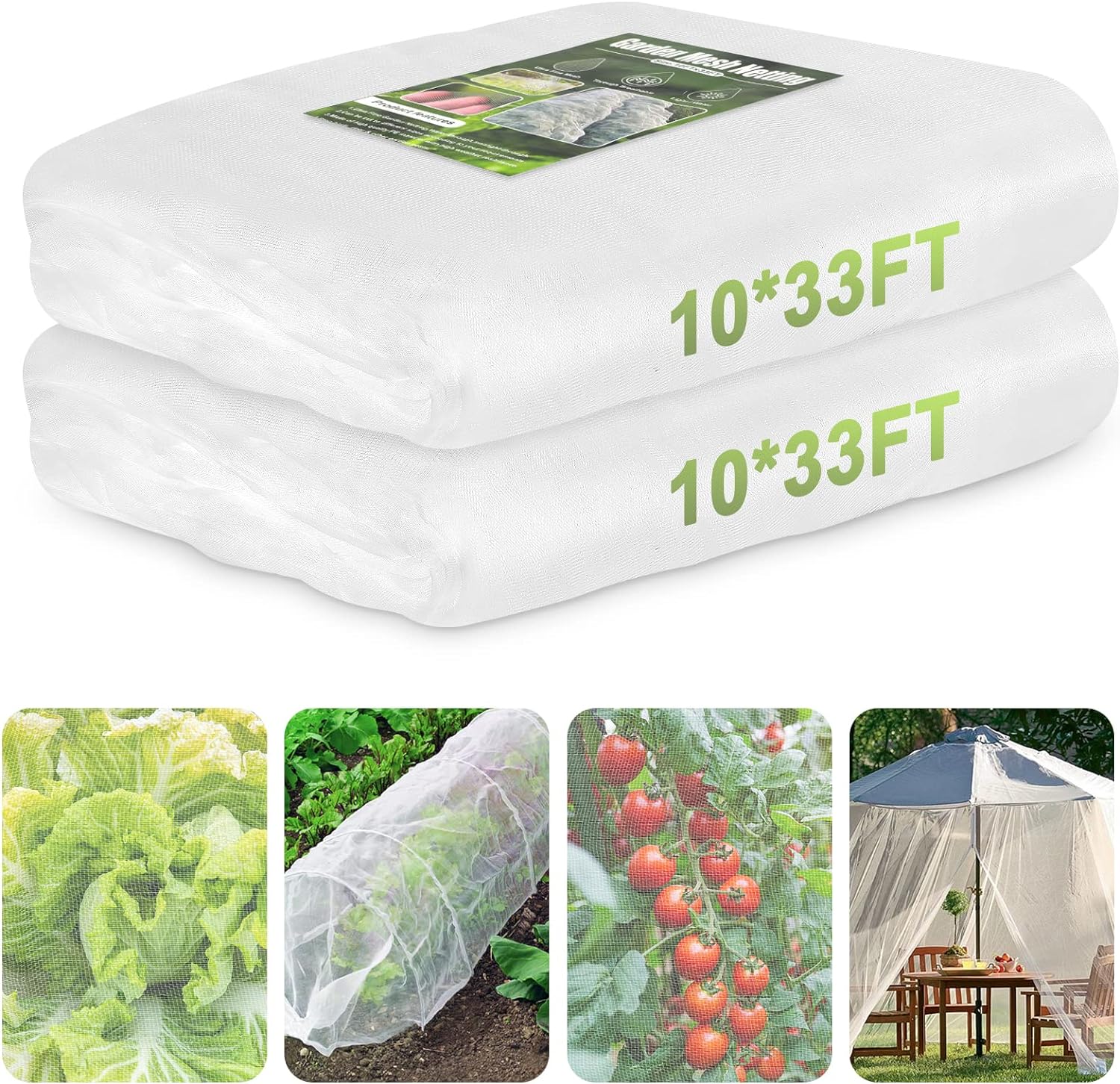
The RIFNY GN-10-33-2 is an ultra-fine garden netting set made for covering plants rather than treating pests chemically. The package contains two 10 by 33 foot net pieces, giving home gardeners a practical option for raised beds, vegetable rows, fruit bushes, flowers, greenhouse crops, and patio plantings where a lightweight physical barrier is useful.
Based on the listed specifications, the mesh measures 0.04 inch and is described as 60 mesh per inch. The product information indicates that it allows sunlight, artificial light, air, and rain to pass through, so it is intended to protect plants while still supporting normal growing conditions. This makes it especially relevant for gardeners growing cabbage, cauliflower, greens, tomatoes, berries, cherries, grapes, strawberries, or other crops commonly bothered by birds, small animals, or insects.
The netting is made from polyethylene and has a rectangular shape with listed dimensions of 396 inches by 120 inches for each 10 by 33 foot piece. It can be cut to size, which is helpful if you need one section for a low row cover and another for pots or a small fruit cage. The product information suggests securing the edges with stones, soil, staples, clips, stakes, or a frame, and the see-through mesh lets you monitor plants without opening the cover every time.
For backyard and small-space gardeners, this netting is most useful when paired with hoops, stakes, PVC, or another support that keeps the fabric off delicate foliage and fruit. It can also be draped over raised beds or used around potted plants, provided the edges are closed well enough to reduce gaps. Reviewers commonly mention that it is easy to cut and that the coverage is generous, though those comments should be viewed as user experiences rather than guaranteed performance.
There are a few important limitations to consider. Fine mesh can also keep pollinators from reaching blossoms, so crops that need bee activity may need timed uncovering, hand pollination, or a cover design that can be opened during bloom. As with any netting, keep it taut and inspect it often, especially around birds, pets, and wildlife. Some reviewers reported tearing or tangling issues, while others found it durable, so careful installation and regular checks are important.
This RIFNY netting is a good fit for gardeners who want a cut-to-fit, lightweight plant cover for vegetables, berries, flowers, and raised beds. Gardeners who need a rigid animal fence, a shade cloth, or a pollinator-friendly open structure may prefer a different type of garden protection.
Best For / Avoid If
Best for buyers prioritizing
- Large total coverage area in two separate pieces for flexible garden setups.
- Fine mesh design is useful for gardeners looking for a physical plant barrier around brassicas, berries, seedlings, and similar crops.
- Allows air, rain, and light to pass through based on the listed product features.
Consider another option if
- Because the mesh can exclude beneficial insects as well as pests, flowering crops that need pollination may require temporary uncovering or another setup.
- Edges need to be secured with soil, stones, staples, clips, or a frame, so installation may take extra care in windy areas.
- Some reviewers report stretching, tearing, or animal tangling concerns, so it should be kept taut, checked often, and placed with wildlife safety in mind.
Pros
- Useful size for small gardens and common raised-bed layouts.
- Allows rain, watering, sunlight, and airflow to reach plants through the mesh.
- Can be cut to fit custom planting areas and containers.
- Made from UV-stabilized polyethylene, according to the listed product information.
- Reviewers commonly mention that it is lightweight and easy to cut once positioned.
Cons
- Light mesh usually needs separate supports, clips, stakes, hoops, or weights to keep it positioned securely.
- May be awkward to manage at first because fine, lightweight netting can snag or fold while being placed.
- Gardeners protecting tall crops or longer rows may need a larger size or multiple pieces.
The FEEDGARDEN LX-HYW-8.10ft Garden Netting is an 8 x 10 ft rectangular PE mesh cover designed for protecting vegetables, fruits, berries, flowers, and other garden plants. It is best suited to homeowners, raised-bed gardeners, patio growers, and beginners who want a simple physical barrier for small planting areas without setting up permanent fencing.
The main practical benefit is the fine 0.7 x 0.8 mm mesh, which the product information describes as a high-density barrier for birds and small animals. Because the mesh allows sunlight, rain, and airflow to pass through, gardeners can keep plants covered during routine watering and changing weather instead of removing the netting every time the bed needs moisture.
Based on the listed specifications, this netting measures 120 inches long by 96 inches wide and is made from white polyethylene. The material is described as UV-stabilized and resistant to tearing and sun damage. It is also lightweight enough to trim, which is helpful when fitting it around a raised bed, container grouping, berry bush, or irregular planting layout.
In a backyard garden, this size makes sense for covering leafy greens, strawberries, peppers, young tomatoes, flowers, or compact berry plantings. It can also be used in greenhouses, around small orchard plants, over ponds, on balconies, or as a patio or window insect mesh where the dimensions fit. Reviewers commonly mention using similar placements to protect vegetable beds, young trees, and fruiting plants, though results will depend on how securely the edges are fastened.
There are a few setup considerations. Fine mesh netting performs best when it is supported and held in place so it does not rest heavily on delicate seedlings or blow loose in wind. The listing does not specify included hoops, clips, stakes, or a frame, so gardeners should plan their own fastening method if the cover needs structure. It is also wise to check the netting regularly for gaps, trapped leaves, or snags and to store it dry and folded between seasons if it will be reused.
This is a good choice for gardeners who need a cut-to-fit, breathable cover for small beds, containers, and seasonal plant protection. Gardeners with long crop rows, very tall plants, or heavy wildlife pressure may want a larger netting size, a framed enclosure, or a more rigid barrier system.
Best For / Avoid If
Best for buyers prioritizing
- Useful size for small gardens and common raised-bed layouts.
- Allows rain, watering, sunlight, and airflow to reach plants through the mesh.
- Can be cut to fit custom planting areas and containers.
Consider another option if
- Light mesh usually needs separate supports, clips, stakes, hoops, or weights to keep it positioned securely.
- May be awkward to manage at first because fine, lightweight netting can snag or fold while being placed.
- Gardeners protecting tall crops or longer rows may need a larger size or multiple pieces.
Pros
- Sized specifically for common 6 x 3 ft raised beds.
- Allows sunlight, airflow, and water through the mesh.
- Lightweight HDPE material should be easy for beginners and older gardeners to handle.
- Drawstring closure helps reduce gaps around the bed edges.
Cons
- Only the netting is included, so gardeners will need a raised bed or support setup separately.
- The 1.5 ft height may be less suitable for taller crops unless additional support is used.
- Fine mesh covers can limit easy access to flowers for pollinators, so timing and crop needs should be considered.
The Sunwinx 2-pack raised bed cover is a fine mesh garden netting set made for protecting vegetables, fruits, leafy greens, and flowers in small growing spaces. Based on the listed specifications, each rectangular cover is sized at 79.2 inches by 39.6 inches, with product information describing a 6.6 x 3.3 x 1.5 ft fit for standard 6 x 3 x 1 ft raised beds. It suits home gardeners who want a simple, non-spray physical barrier for raised beds, patios, balconies, greenhouses, or backyard plots.
The main benefit is coverage that still supports normal plant growth needs. The product information indicates a 0.04-inch ultra-fine mesh designed to block birds, insects, and small animals while allowing airflow, light, and water through. For beginner gardeners, that means seedlings and leafy crops can stay covered during vulnerable stages without removing the netting every time the bed needs watering.
The covers are made from high density polyethylene, or HDPE, and are described as UV-resistant, lightweight, breathable, and foldable for storage. A double drawstring closure lets the user tighten the cover around the raised bed, which can help reduce gaps along the bottom edge. No tools are listed as required, and the soft, lightweight fabric should be easier to handle than rigid framed covers.
In a backyard or patio garden, this cover set makes the most sense over low to medium-height crops such as young vegetables, greens, herbs, strawberries, or compact flowers. The two-pack format is useful if you maintain multiple small beds or want one cover available while another is being cleaned or stored. It can also be used in greenhouse or balcony setups where a removable mesh barrier is more convenient than a permanent enclosure.
There are a few practical limits to keep in mind. The raised bed itself is not included, and taller plants may outgrow the listed 1.5 ft cover height unless the gardener uses a compatible support arrangement. Because fine mesh can also keep beneficial insects from reaching blossoms, gardeners growing crops that need pollination should plan when to cover and uncover plants. Overall, this is a straightforward raised-bed netting option for gardeners who want lightweight, reusable coverage and easy drawstring installation.
Best For / Avoid If
Best for buyers prioritizing
- Sized specifically for common 6 x 3 ft raised beds.
- Allows sunlight, airflow, and water through the mesh.
- Lightweight HDPE material should be easy for beginners and older gardeners to handle.
Consider another option if
- Only the netting is included, so gardeners will need a raised bed or support setup separately.
- The 1.5 ft height may be less suitable for taller crops unless additional support is used.
- Fine mesh covers can limit easy access to flowers for pollinators, so timing and crop needs should be considered.

Pros
- Generous size provides enough material for multiple small beds or custom garden covers
- Fine mesh is more protective against small insects than wide bird netting
- Cuttable design makes it adaptable to different bed shapes, hoops, and partial plant coverage
- Manufacturer-listed breathability allows routine watering and light penetration through the mesh
- Reviewers commonly mention that it is easy to cut, flexible to handle, and useful over raised beds
Cons
- Crops that rely on bee pollination may need the netting removed during flowering
- It requires a frame or careful draping and secure edge anchoring to avoid gaps where pests can enter
- Gardeners who need a wider single sheet than 10 ft may need to overlap pieces or choose another size
The JTSIOV GMN-10X50FT is an ultra-fine garden netting sheet made for covering vegetables, fruiting plants, flowers, shrubs, raised beds, greenhouse rows, and similar home garden spaces. It is best understood as a physical barrier, not a pesticide or trap, and it should appeal to gardeners who want a simple cover for insect, bird, and small wildlife pressure without adding a complicated system.
Based on the listed specifications, the netting measures 10 x 50 ft and uses polyethylene material in a white rectangular sheet. The product information describes a 0.04-inch, 60-mesh-per-inch design, which is intended to block small insects while also helping keep out larger visitors such as birds, rabbits, squirrels, and deer when the cover is properly installed and sealed at the edges.
The mesh is described as breathable, allowing sunlight, air, and moisture to pass through. For everyday garden care, that means gardeners can often water through the cover instead of removing it each time. The manufacturer also notes moderate shading, which may be useful for leafy crops exposed to strong direct sun, though gardeners should still watch plant growth and heat buildup under any cover.
Installation is straightforward in concept. The sheet can be cut to size, placed over hoops or another support frame, and anchored along the edges with soil, stones, stakes, or similar garden weights. Reviewers commonly mention using it over raised beds and cutting it with scissors, which makes it a practical option for beds that do not match a standard cover size.
For small-space gardeners, the 10 ft width and 50 ft length provide flexible coverage for several patio planters, a row of brassicas, strawberry or tomato beds, or temporary protection around fruiting plants. It may also be used as a patio screen, mosquito net, or pond leaf net according to the product description, but garden use will depend on how securely it can be supported and fastened in the specific space.
The main limitation is pollination access. The product information specifically notes that the netting should be removed during flowering if crops depend on bees, so it is not a set-and-forget cover for every plant stage. Gardeners should also inspect for tears, loose edges, and trapped insects, and those needing a rigid enclosure or a wider seamless span may prefer a different type of garden protection.
Best For / Avoid If
Best for buyers prioritizing
- Generous size provides enough material for multiple small beds or custom garden covers
- Fine mesh is more protective against small insects than wide bird netting
- Cuttable design makes it adaptable to different bed shapes, hoops, and partial plant coverage
Consider another option if
- Crops that rely on bee pollination may need the netting removed during flowering
- It requires a frame or careful draping and secure edge anchoring to avoid gaps where pests can enter
- Gardeners who need a wider single sheet than 10 ft may need to overlap pieces or choose another size

Pros
- Good fit for compact raised beds and elevated planters based on the listed dimensions.
- Mesh construction supports airflow and watering while creating a physical barrier around young plants.
- Zippered access is more convenient than fully removing the cover for routine checks.
- Reviewers commonly mention easy storage and practical use for protecting vegetables, strawberries, and starter plants.
- Includes 8 ground stakes and a storage strap, so basic anchoring and off-season storage are addressed.
Cons
- The 16-inch height may be limiting once taller vegetables or fast-growing plants mature.
- Assembly may take some patience because the end panels need to be zipped to the side panels rather than simply springing open fully on their own.
- Gardeners with larger beds may prefer a longer cover, since this model is listed at 45 inches by 22 inches.
The ANGAR Netting Covers-01 set is a pair of small rectangular mesh covers made for raised beds, elevated beds, vegetable rows, seedlings, flowers, fruits, and potted plants. Based on the product information, the main job is to create a breathable physical barrier around young or vulnerable plants while still allowing routine watering and airflow.
The feature set is especially useful for gardeners who want protection without sealing plants inside a solid cover. The dark green mesh is described as water and air permeable, and it provides 30% sun shading to reduce direct sunlight. That can be helpful for seedlings and tender starts in exposed beds, though gardeners should still match shade needs to the crops they are growing.
Each cover measures 45 inches long by 22 inches wide by 16 inches high, so this is best viewed as a compact raised-bed cover rather than a full-bed tunnel for large plantings. The covers use zippered end connections and include a zippered roll-up window for checking plants. The set also includes 8 metal ground stakes and a storage strap, and the covers fold down for compact storage when not in use.
In a backyard or patio garden, these covers make sense over strawberries, leafy greens, starter vegetables, low flowers, or small potted groupings. Reviewers commonly mention watering through the mesh, using the covers on elevated beds, and appreciating the zipper access. Several users also describe them as useful for keeping birds, bugs, grasshoppers, or animals away, although results will depend on placement, anchoring, and the specific garden pressure.
There are a few practical limits to consider. The 16-inch height may not work once tomatoes, peppers, taller herbs, or vigorous greens outgrow the enclosure. The product is called a pop-up cover, but the listed setup requires zipping the end panels to the side panels, and at least one reviewer found that part a little frustrating. It is also wise to inspect zippers before the return window ends, since one reviewer reported a zipper issue.
Overall, this ANGAR 2-pack is a sensible option for small-space gardeners, beginners starting seedlings, and homeowners who want a reusable mesh barrier for compact raised beds. Gardeners with long beds, taller crops, or a need for heavy-duty seasonal protection may want a larger or more rigid garden cover instead.
Best For / Avoid If
Best for buyers prioritizing
- Good fit for compact raised beds and elevated planters based on the listed dimensions.
- Mesh construction supports airflow and watering while creating a physical barrier around young plants.
- Zippered access is more convenient than fully removing the cover for routine checks.
Consider another option if
- The 16-inch height may be limiting once taller vegetables or fast-growing plants mature.
- Assembly may take some patience because the end panels need to be zipped to the side panels rather than simply springing open fully on their own.
- Gardeners with larger beds may prefer a longer cover, since this model is listed at 45 inches by 22 inches.

Pros
- Large sheet size is useful for raised beds, vegetable patches, berry bushes, and small fruit trees
- Fine mesh design is suited to insect and bird barrier use while still permitting basic watering and ventilation
- Can be cut to fit custom spaces, which helps in small yards, greenhouses, and irregular garden layouts
- Light weight makes it easier to drape, fold, move, and store than heavier barrier materials
Cons
- Thin netting may need gentle handling, especially around sharp stakes, branches, clips, or rough bed corners
- Gardeners needing a rigid animal fence or heavy-duty long-term perimeter barrier may prefer a sturdier material
- Because it is an insect barrier, it may need to be lifted during flowering crops that require pollinator access
The Fippy ZN-GMN garden netting is a 10 x 50 ft white polyethylene mesh intended for physical pest protection in home gardens. Based on the listed product information, it is designed for raised beds, vegetable rows, fruit trees, blueberry bushes, strawberries, greenhouse use, and similar backyard growing areas. It is a practical option for gardeners who want a simple cover that can be draped, secured, and trimmed to fit different planting spaces.
The key feature is the 0.8 mm mesh, which the product information describes as fine enough to help block many garden pests while still allowing airflow, sunlight, and water penetration. That combination matters for beginners because a barrier cover should protect plants without making daily care overly complicated. Reviewers commonly mention easy handling and use in vegetable gardens, raised beds, flowers, and fruit trees, although individual results will depend on how well the edges are sealed and how the netting is supported.
At 590 inches long by 118 inches wide, this rectangular sheet provides broad coverage for multiple small beds or one longer row. The material is listed as lightweight PE, with a product weight of 0.55 pounds, so it should be easy to move and fold. It can be placed directly over plants according to the product information, but gardeners working with tender seedlings, tall crops, or plants with delicate tips may still prefer hoops, stakes, or a simple frame to keep the mesh from pressing on new growth.
In a typical backyard garden, this netting could be used over brassicas, greens, strawberries, blueberry bushes, fig trees, or other crops where a breathable barrier is helpful. It may also fit small-space gardeners who need to cover a patio planter, a compact raised bed, or a greenhouse opening. Since it can be cut to shape, it is useful when one full sheet is too large or when separate covers are needed for different crops.
There are a few limitations to keep in mind. Thin, lightweight mesh can snag or puncture if pulled across rough wood, wire, thorns, or sharp plant supports, so careful installation and storage are important. One reviewer reported concerns about thinness and sizing, while others described the netting as easy to use and effective for their garden needs, so buyers should inspect the sheet on arrival and handle it gently. For insect-pollinated crops, remember that a fine barrier can also block beneficial pollinators, so covers may need to be opened during bloom or used after pollination.
Overall, the Fippy ZN-GMN is best suited to gardeners who want an adaptable, lightweight mesh cover for seasonal plant protection rather than a rigid wildlife fence. It is a sensible choice for raised beds, berries, vegetable rows, and small fruit plantings when you can secure the edges well. Gardeners facing heavy animal pressure, rough weather exposure, or frequent contact with sharp supports may want to consider a heavier-duty barrier material.
Best For / Avoid If
Best for buyers prioritizing
- Large sheet size is useful for raised beds, vegetable patches, berry bushes, and small fruit trees
- Fine mesh design is suited to insect and bird barrier use while still permitting basic watering and ventilation
- Can be cut to fit custom spaces, which helps in small yards, greenhouses, and irregular garden layouts
Consider another option if
- Thin netting may need gentle handling, especially around sharp stakes, branches, clips, or rough bed corners
- Gardeners needing a rigid animal fence or heavy-duty long-term perimeter barrier may prefer a sturdier material
- Because it is an insect barrier, it may need to be lifted during flowering crops that require pollinator access

Pros
- Large two-pack format provides adaptable coverage for several garden areas or one longer planting row.
- Fine mesh design is intended to create a physical barrier while maintaining light, airflow, and water penetration.
- Suitable for common home garden uses such as raised beds, berries, vegetables, flowers, and fruit tree protection.
- Several reviewers mention easy installation and good results keeping birds and small animals away from plants.
- Can be trimmed to size for custom coverage around beds, bushes, or patio plantings.
Cons
- Some reviewers report that the material can snag, tear, or run if cut or handled roughly.
- It does not include hoops or clips in this listed 2-pack version, so gardeners may need separate supports or fasteners.
- Because it is a lightweight mesh barrier, it may require careful edge weighting or burying to reduce access underneath.
The YNERHAI 10x30FT 2-Pack Garden Netting Mesh is a lightweight physical barrier for gardeners who want to protect vegetables, berries, flowers, shrubs, and small fruit trees without fully blocking the growing environment. Based on the listed specifications, each sheet measures 360 inches long by 120 inches wide, giving a 10 by 30 foot rectangular format that can be used over raised beds, blueberry bushes, patio plants, or garden rows.
The product information highlights an ultra-fine mesh design that allows sunlight, air, and water to pass through. That matters for beginners and busy homeowners because plants can stay covered while still receiving basic exposure from natural light and rainfall. The netting is positioned as a barrier for birds, rabbits, squirrels, deer, and insects, although results will depend on how completely the edges are secured and how the netting is supported around the plants.
The listed material is high density polyethylene, and the netting is described as stable, lightweight, reusable, and easy to cut. In practice, that feature set is most useful when you need to shape coverage around a berry patch, cabbage row, strawberry bed, or young tree. The product information suggests securing the edges with stones, soil, or nails, and it also notes that burying or weighting the edges can help prevent animals from getting underneath.
For raised-bed gardeners, this mesh can be draped directly over plants or supported with separate hoops or a frame if extra clearance is needed. For blueberry bushes and fruiting plants, the large sheet size gives more flexibility than small pre-shaped covers. It may also be useful on patios as a mosquito-style mesh barrier for outdoor spaces, as described by the manufacturer, but gardeners should still measure carefully before cutting because the product does not list included poles, clips, or a dedicated frame.
There are a few practical limitations to keep in mind. Some reviewers say the material works well and is easy to handle, while others mention that it can snag, tear, or develop runs when cut or handled roughly. Use sharp scissors, avoid dragging it across rough surfaces, and store it indoors in a dry place when not in use, as the product information recommends. Gardeners who need a heavier, rigid wildlife barrier or a complete hoop-and-clip kit may prefer a different setup, but for flexible seasonal plant coverage, this YNERHAI netting is a practical option for many home gardens.
Best For / Avoid If
Best for buyers prioritizing
- Large two-pack format provides adaptable coverage for several garden areas or one longer planting row.
- Fine mesh design is intended to create a physical barrier while maintaining light, airflow, and water penetration.
- Suitable for common home garden uses such as raised beds, berries, vegetables, flowers, and fruit tree protection.
Consider another option if
- Some reviewers report that the material can snag, tear, or run if cut or handled roughly.
- It does not include hoops or clips in this listed 2-pack version, so gardeners may need separate supports or fasteners.
- Because it is a lightweight mesh barrier, it may require careful edge weighting or burying to reduce access underneath.

Pros
- Complete kit format is convenient for creating a covered grow tunnel over raised beds or vegetable rows
- PE netting with fine mesh supports pest exclusion without fully enclosing plants from light, rain, or airflow
- Adjustable DIY sizing makes it useful for more than one garden layout when the netting is cut or arranged carefully
- Reviewers commonly mention straightforward assembly and useful crop protection in smaller garden setups
Cons
- The wide, long netting may be awkward for one person to unfold, measure, and position neatly
- May need extra anchoring or closer hoop spacing in windy areas, based on reviewer feedback about collapse in strong wind
- Gardeners covering long rows or taller crops may find the netting needs frequent adjustment to prevent sagging
The Fippy ZN-GMN04 Garden Netting Kit is designed for gardeners who want to build a simple pest barrier over vegetables, fruits, flowers, or raised beds. The kit includes a 10 x 50 ft garden netting pest barrier, 10 sets of garden hoops, and 20 fixing clips, making it a practical starter option for creating a covered row or small grow tunnel.
The main benefit is physical protection. According to the product information, the 0.8 mm mesh is intended to block many common garden pests while still allowing sunlight, water, and airflow to reach plants. That makes it useful for crops that benefit from coverage without being sealed off, such as young vegetable seedlings, strawberries, blueberries, and other small garden plantings.
The hoops are listed as having an inner steel tube with an outer plastic coating, which gives the structure more support than netting alone and helps reduce rust or corrosion concerns. Assembly is described as a basic process: connect the hoops, insert them into the soil, drape the netting over the frame, secure it with clips, and weigh down the edges with soil or stones.
For backyard and raised-bed use, this kit fits gardeners who want one package for seasonal crop protection rather than buying mesh, hoops, and clips separately. The long netting roll can be cut or arranged for different bed sizes, though careful measuring before cutting is a good idea. Reviewers commonly note that the system is easy to assemble, but some also say the netting can be hard to manage by one person because of its size.
There are a few practical limitations to consider. Lightweight garden netting can sag if it is stretched over too large a span, and windy sites may require additional anchoring beyond the included clips and soil weighting. Some reviewer feedback also suggests the setup may be better for smaller beds than for a full 50 ft row if you want a tidy, low-maintenance tunnel.
Overall, this Fippy kit is a useful choice for beginner and home gardeners who need a flexible insect and wildlife barrier for raised beds, vegetable patches, or compact fruit plantings. Gardeners in very windy locations, or those who need a sturdier long-row structure, may prefer a heavier-duty frame and netting system.
Best For / Avoid If
Best for buyers prioritizing
- Complete kit format is convenient for creating a covered grow tunnel over raised beds or vegetable rows
- PE netting with fine mesh supports pest exclusion without fully enclosing plants from light, rain, or airflow
- Adjustable DIY sizing makes it useful for more than one garden layout when the netting is cut or arranged carefully
Consider another option if
- The wide, long netting may be awkward for one person to unfold, measure, and position neatly
- May need extra anchoring or closer hoop spacing in windy areas, based on reviewer feedback about collapse in strong wind
- Gardeners covering long rows or taller crops may find the netting needs frequent adjustment to prevent sagging

Pros
- Generous sheet size is useful for multiple garden layouts or for trimming to fit raised beds and rows.
- Fine mesh design supports plant protection while still allowing moisture and airflow through.
- Lightweight material is easy to drape over plants, hoops, shrubs, or small trees.
- Reviewers commonly mention that it works well as a raised-bed or vegetable cover when secured carefully.
- Can be secured with stones, soil, stakes, or similar garden supports according to the product information.
Cons
- Several reviewers describe the fabric as delicate or easy to damage, so it may not suit gardeners who need a heavy-duty barrier.
- Cut edges may require careful handling because reviewer feedback notes that trimmed areas can shred or rip.
- The large sheet can be unwieldy for small beds unless it is measured and cut before installation.
The FARAER 10x33 ft Ultra-Fine Garden Netting is a lightweight polyethylene mesh cover made for protecting vegetable plants, fruits, flowers, crops, shrubs, and raised beds with a physical barrier. Based on the listed specifications, it is most useful for home gardeners who want a broad, cut-to-fit cover for garden rows, berry plants, brassicas, tomatoes, greenhouse use, or simple hoop tunnels.
The key feature is the ultra-fine 0.8 mm by 1 mm oblong mesh. The product information indicates that this mesh allows air, moisture, rain, liquid feed, and light to pass through, so gardeners do not need to remove the cover every time they water. It is also described as offering partial shade, which may be helpful for reducing some sun intensity while still allowing light transmission.
At 10 feet wide by 33 feet long, this is a large sheet rather than a fitted cover. That gives it flexibility, but it also means most gardeners will need to measure, cut, fold, or secure it for their specific setup. It can be placed directly over plants, wrapped around small trees or shrubs, or stretched over hoops, posts, or a grow tunnel frame. The product information suggests securing it with stones, soil, or stakes.
For backyard and small-space gardens, this netting is a practical option for raised beds, berry patches, vegetable rows, and greenhouse openings where a see-through barrier is preferred. Reviewers commonly mention using it over raised beds, squash and zucchini, brassicas, raspberries, marionberries, and young plants. Because it is lightweight, it may be easier for beginners or older gardeners to position than a heavier net, especially when working over low beds.
The main tradeoff is durability. While the product description calls the PE material stabilized and reusable, several reviewers describe the mesh as thin, delicate, or prone to tearing, especially around cut edges. For best results, handle it gently, avoid pulling it hard over sharp stakes or rough frames, and secure it so wind does not whip the fabric against edges. Gardeners who need a rugged, long-term cover for rough conditions may prefer a heavier garden netting material.
Overall, this FARAER netting is a sensible choice for gardeners who want a large, breathable, fine-mesh plant cover that can be trimmed for raised beds, rows, and fruiting plants. It is best for careful seasonal use where light weight and broad coverage matter more than maximum tear resistance.

Pros
- Generous 10 x 50 ft size is useful for raised beds, garden plots, and shrub coverage.
- Fine mesh design supports plant protection without fully blocking light, airflow, or watering.
- Can be cut to fit different garden layouts and plant sizes.
- Simple drape-and-secure setup does not require a permanent frame, based on the listed installation method.
Cons
- Fine mesh may be damaged by sharp objects, so careful handling and storage are important.
- Gardeners who need a rigid cage or heavy-duty wildlife barrier may prefer a sturdier framed solution.
- Pollination may require temporary access for flowering crops that depend on insect pollinators.
The GonLei 10 x 50 ft garden netting is a flexible physical barrier for gardeners who want to cover raised beds, vegetable rows, fruiting shrubs, flowers, or young crops. Based on the product information, it is intended for simple garden protection by draping the mesh over plants and securing the edges. It is a practical option for homeowners, beginner gardeners, and small-space growers who want a cut-to-fit cover rather than a permanent enclosure.
The key benefit is the ultra-fine mesh, listed as 0.04 inch with 60 mesh per inch. This dense mesh format is designed to help separate plants from unwanted garden visitors while still allowing air, water, and light to pass through. That matters in everyday use because gardeners can water or apply liquid feeding through the netting without fully uncovering the bed each time.
The rectangular 10 x 50 ft size provides a broad sheet of coverage that can be trimmed for different layouts. The product information says it can be draped over plants in raised beds or regular garden plots, then secured with stones, soil, or the included clips. Because the specifications list a nylon material and a 1.79 kilogram item weight, it appears to be a lightweight, flexible cover rather than a rigid barrier.
In a backyard vegetable garden, this netting could be used over cabbage, cauliflower, tomatoes, or seedling areas, as listed in the product description. In a fruit garden, it may be shaped around blueberry shrubs, peaches, or cherries where a fine cover is preferred. It may also be useful in small spaces because the sheet can be cut down for individual planters, compact raised beds, or temporary outdoor mosquito-net style coverage as described by the manufacturer.
There are a few practical limits to keep in mind. The manufacturer notes that sharp objects can damage the fine mesh, so avoid pulling it over rough stakes, thorny branches, or jagged bed edges. For crops that need insect pollination, gardeners may need to uncover plants at the right time or hand-pollinate as appropriate. It is also not the same as a rigid animal fence, so gardeners dealing with determined larger wildlife may want a stronger framed barrier.
Overall, the GonLei garden netting is best for gardeners who want a simple, adaptable mesh cover for raised beds, vegetables, fruit shrubs, and flowers. It is a good fit if you value easy cutting, broad coverage, and the ability to water through the mesh. Consider another option if you need a heavy-duty cage, a permanent structural enclosure, or a barrier specifically built for high-pressure wildlife problems.

Pros
- Generous sheet size and two-piece pack provide adaptable coverage for common home garden layouts.
- PE mesh material is listed as durable and resistant to easy deformation or breakage.
- Reviewers commonly mention that it is lightweight, easy to cut, and simple to position over garden areas.
- A physical barrier approach can reduce reliance on direct pest contact methods when used properly.
- Works for both temporary seasonal coverage and DIY fitted covers when cut and secured carefully.
Cons
- Pollination can be limited if the netting is left over flowering crops that need insect access.
- Edges need to be secured with soil, stones, clips, or another method, especially in windy conditions.
- Gardeners wanting detailed crop timing instructions may need to look beyond the basic product information.
The Unves YY-039-1 garden netting is a two-pack of white rectangular mesh intended for protecting garden plants from birds and insects. Based on the listed specifications, each piece measures 10 x 33 ft and is made from polyethylene, giving home gardeners a flexible cover for raised beds, vegetable rows, berries, seedlings, small fruit trees, or other vulnerable plantings.
The main value of this netting is its role as a physical barrier. The product information describes an ultra-fine, breathable mesh that allows sunlight and air to reach plants while helping separate crops from pests. That makes it a practical option for gardeners who prefer a non-spray layer of protection around tender growth or ripening fruit, as long as the crop still receives the access it needs for pollination.
Installation is straightforward. The netting can be placed directly over plants and weighted at the edges with soil, stones, or similar heavy objects, or it can be set over a simple support frame. Because the sheets can be cut to size, they are useful for custom covers around raised beds, berry rows, nursery starts, and irregular garden spaces where a fixed-size cover may not fit cleanly.
For small-space gardeners, the two separate sheets are convenient because one can be used over a raised bed while the other is cut for containers, fruiting shrubs, or seasonal row protection. Reviewers commonly mention that the netting is lightweight and easy to cut, and some report using clips or other simple fasteners to hold it in place. Those comments are useful for planning, but the exact hold in wind will depend on how well the edges are secured and what support structure is used.
The biggest caution is pollination. A fine mesh barrier can also block helpful insects, so gardeners growing flowering vegetables or fruits should remove or open the cover at the right stage if pollinator access is needed. It is also wise to avoid letting the mesh press heavily on delicate seedlings and to check underneath regularly for trapped pests, plant stress, or growth that needs more room.
Overall, this Unves garden netting is a sensible choice for homeowners and beginner gardeners who want a large, cuttable plant cover for seasonal pest and bird protection. Gardeners who need crop-specific instructions, built-in supports, or a cover designed to stay permanently over pollinator-dependent plants may want a more specialized system.
Pros
- Complete kit format reduces the need to source hoops, connectors, netting, and clips separately.
- Fine polyethylene mesh provides a lightweight barrier approach for raised beds and garden rows.
- Water, light, and air can pass through the mesh, which helps simplify everyday care compared with solid covers.
- User feedback commonly mentions easy setup, useful clips, and good results for protecting brassicas and other garden plants.
Cons
- Some reviewers report that the fine netting can fray, pull, or develop holes, so careful handling and edge checks are important.
- This is a mesh barrier, not a rigid cage, so gardeners dealing with chewing wildlife may need a stronger or reinforced protection method.
- The listed crop examples are mainly shorter plants and row crops, so tall or sprawling plants may require a different support setup.
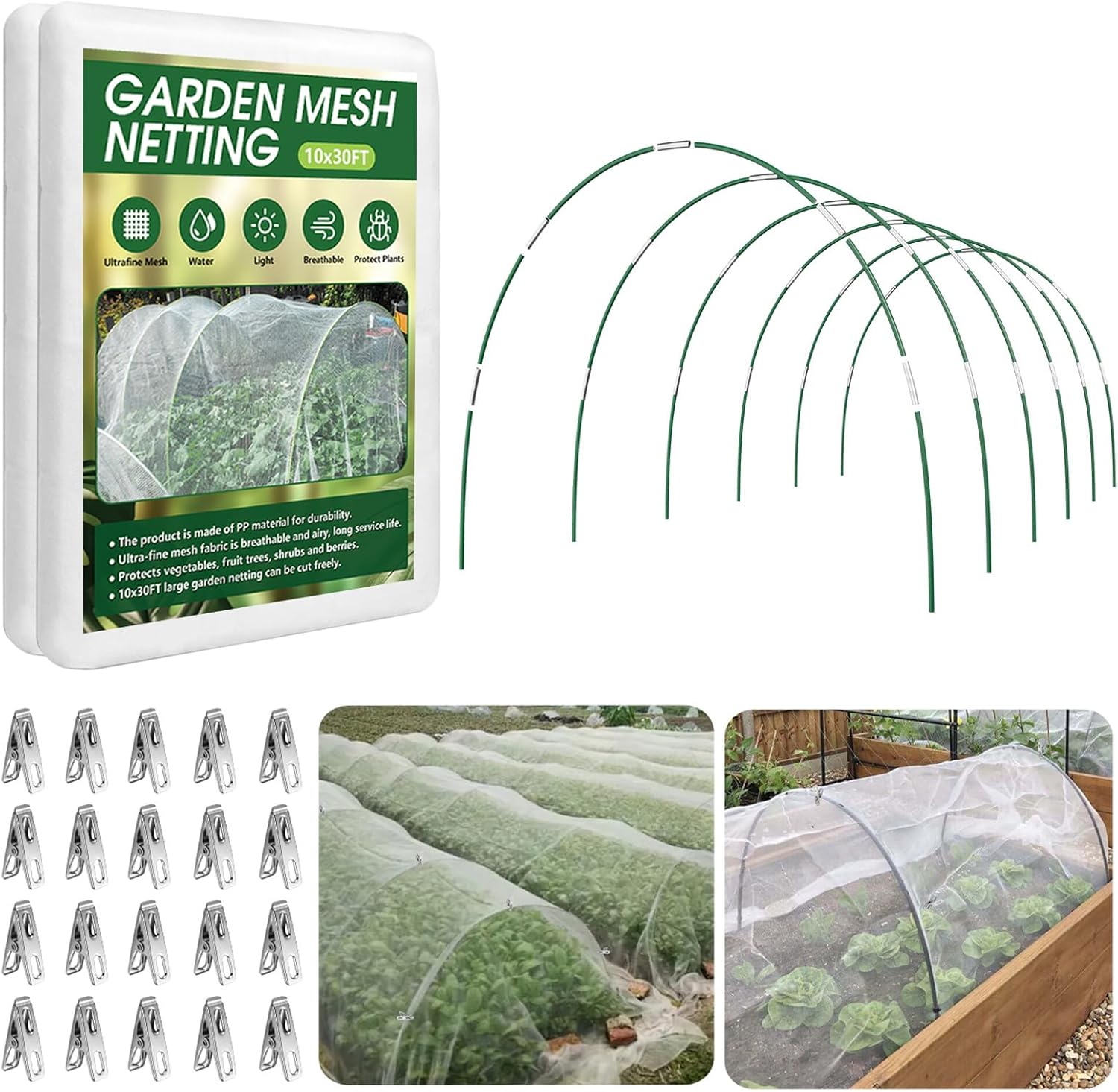
The MONIRSEN Garden Netting Kit is a raised-bed and row-cover setup built around a 10 x 30 ft polyethylene mesh sheet and six sets of 8 ft fiberglass garden hoops. It is intended for gardeners who want a simple physical barrier over vegetables, fruiting plants, flowers, potted plants, and other shorter crops without building a permanent frame.
The key benefit is the ultra-fine 0.8 mm x 1 mm mesh, which the product information describes as allowing air, light, and water through while helping keep insects, birds, and small animals away from plants. That makes it useful for crops such as cabbage, broccoli, lettuce, strawberries, blueberries, grapes, tomatoes, root vegetables, and flowers where a lightweight cover can reduce direct pest access without blocking routine watering.
The kit includes one netting panel, 36 fiberglass hoop sections, 30 connecting pipes, and 20 clips. Assembly is described as joining the fiberglass hoops with connectors, bending them into arches, inserting them into soil, and securing the cover with clips. The fiberglass hoop material is listed as rust-free and flexible, which is helpful for outdoor garden beds where metal corrosion can be a concern.
For a typical home garden, this kit fits raised beds, short crop rows, and small-space vegetable plots where a temporary tunnel is easier than a fixed enclosure. The generous netting dimensions give room to cover a longer planting area or to adapt the layout to different bed sizes, as long as the grower accounts for the height and width created by the hoops.
There are a few practical cautions. Fine mesh should be handled gently, especially around clips and edges, because some reviewers mention fraying, pulling, and holes. It is also wise to inspect the cover for loose strands and damage so wildlife does not become tangled and pests do not find openings. For chipmunks or other chewing animals, a heavier barrier may be more appropriate.
Overall, this MONIRSEN kit is a sensible choice for beginner and intermediate gardeners who want a ready-to-assemble mesh tunnel for raised beds and short crops. Gardeners who need a rigid animal-proof cage, a tall trellis-style cover, or a long-term heavy-duty enclosure should consider a sturdier system designed for that level of protection.
Best For / Avoid If
Best for buyers prioritizing
- Complete kit format reduces the need to source hoops, connectors, netting, and clips separately.
- Fine polyethylene mesh provides a lightweight barrier approach for raised beds and garden rows.
- Water, light, and air can pass through the mesh, which helps simplify everyday care compared with solid covers.
Consider another option if
- Some reviewers report that the fine netting can fray, pull, or develop holes, so careful handling and edge checks are important.
- This is a mesh barrier, not a rigid cage, so gardeners dealing with chewing wildlife may need a stronger or reinforced protection method.
- The listed crop examples are mainly shorter plants and row crops, so tall or sprawling plants may require a different support setup.

Pros
- Complete kit format reduces the need to source hoops and netting separately.
- Large netting sheet offers flexibility for DIY layouts and multiple small covers.
- Mesh allows watering and sunlight through according to the product information.
- Fiberglass hoops are bendable and rust-free, based on the listed materials.
- Several reviewers report that it was helpful for keeping birds or animals away from garden plants.
Cons
- Some gardeners may need extra clips, binder clips, clothespins, or side brackets to secure the cover more firmly in certain beds.
- Because it is a barrier mesh, it may also block pollinators such as bees and butterflies, so flowering crops may need timed access for pollination.
- At least one reviewer reported difficulty fitting poles into connectors, so assembly quality may vary.
The WYRJXYB XWTZ-US Garden Mesh Netting Kit is a physical plant-cover system for raised beds, vegetable rows, berry patches, and small garden spaces. It includes a 10 x 30 ft sheet of ultra-fine polyethylene mesh, 6 sets of fiberglass garden hoops, 36 connectors, and 24 clips. Based on the supplied product information, it is intended for gardeners who want a lightweight barrier against insects, birds, chickens, deer, and other animals without building a permanent enclosure.
The main gardening value is the combination of fine mesh and hoop support. The listed 0.8 mm x 1 mm mesh is designed to exclude many common garden pests while allowing water and light to pass through. That makes it useful for leafy greens, brassicas, strawberries, blueberries, young tomato plants, peppers, and other crops that need protection from chewing or pecking damage. As with any barrier cover, results depend on how tightly the edges are secured and whether pests are already inside before the cover goes on.
The hoop system is built from bendable fiberglass rods that connect into arched supports. The product information lists the combined hoop size as about 2.8 ft wide by 3.8 ft high when assembled with 6 pieces, making it a practical fit for narrow raised beds or row-cover tunnels. The netting can also be cut to different sizes, which is helpful if you are covering containers, short rows, or individual plantings rather than one long bed.
For backyard and small-space gardeners, this kit is most useful where a flexible seasonal cover is better than a fixed cage. It can be set over a raised bed during early growth, draped over berry plants as fruit develops, or adjusted over container rows where birds and animals are a problem. Reviewers commonly mention use around raised beds, strawberries, tomatoes, peppers, and vegetable plants, with several noting that water and light still reach the plants.
There are a few practical limitations to plan for. The clips may not be enough for every bed shape or windy location, and some reviewers mention using binder clips, clothespins, or other fasteners for a more secure hold. Because the mesh is fine enough to block insects, it can also keep pollinators away, so crops that need bee or butterfly access may require the cover to be opened during bloom or removed at the right stage. Check the cover regularly so leaves are not crowded against the mesh and so trapped insects are not sealed inside.
This is a sensible option for gardeners who want an affordable, adjustable row-cover kit for raised beds and small garden areas. It is especially appealing if you value cut-to-fit netting and a lightweight hoop structure. Gardeners needing a rigid animal cage, a heavily anchored system, or a cover for very wide beds may want to consider a sturdier enclosure or additional mounting hardware.
Best For / Avoid If
Best for buyers prioritizing
- Complete kit format reduces the need to source hoops and netting separately.
- Large netting sheet offers flexibility for DIY layouts and multiple small covers.
- Mesh allows watering and sunlight through according to the product information.
Consider another option if
- Some gardeners may need extra clips, binder clips, clothespins, or side brackets to secure the cover more firmly in certain beds.
- Because it is a barrier mesh, it may also block pollinators such as bees and butterflies, so flowering crops may need timed access for pollination.
- At least one reviewer reported difficulty fitting poles into connectors, so assembly quality may vary.

Pros
- Fine 0.8 mm by 1 mm mesh is suitable for gardeners who need a tighter barrier than standard bird netting.
- Generous 50 foot length can cover multiple small beds or be trimmed into custom sections.
- Lightweight enough to drape, clip, stake, or use with support structures.
- Product information states that the mesh can be cut without unraveling.
- White mesh is easy to see in the garden, which can help during setup, harvesting, and removal.
Cons
- As with most fine mesh plant covers, it may need secure anchoring at the edges to reduce gaps where insects or animals can enter.
- Gardeners growing crops that need insect pollination may need to uncover plants at the right time or hand-pollinate as appropriate.
- One reviewer noted that stretching the mesh on a frame may enlarge the openings, so a relaxed drape may be better when the smallest mesh size matters.
The Hyxanons GN-W-315 is an ultra-fine garden mesh netting intended for physical plant protection in outdoor gardens, raised beds, patios, greenhouses, nurseries, orchards, and similar growing spaces. Based on the listed specifications, it measures 10 feet by 50 feet and is designed for vegetables, fruit, flowers, and other garden crops that benefit from a breathable cover.
The key feature is the 0.8 mm by 1 mm mesh, which is much finer than many basic bird nets. The product information indicates that the mesh allows air, water, and light to pass through, so gardeners can generally keep plants covered while still watering and maintaining airflow. It is best viewed as a physical barrier rather than a guaranteed pest-control solution.
The netting is made from PE material that is described as thick, UV-resistant, durable, and reusable. It can be draped over plants and held with rocks, soil, wooden stakes, or similar supports, or paired with hoops, frames, tunnels, arches, wooden rods, or steel rods to keep the fabric off delicate foliage. The manufacturer also states that it can be trimmed to size without unraveling.
For backyard use, this size works well for creating temporary covers over raised beds, rows of seedlings, berry plantings, vegetable patches, or patio containers. It may also be useful for wrapping small fruiting plants or making custom panels for greenhouse openings, garden windows, doors, ponds, or other areas where a fine breathable screen is helpful.
There are a few practical considerations. Fine mesh can also limit access for beneficial insects, so gardeners growing crops that rely on pollinators should plan when to cover, uncover, or hand-pollinate. Edges should be secured carefully because gaps reduce the value of any barrier cover. A reviewer also noted that stretching the material on a frame may enlarge the openings, so avoid pulling it overly tight when insect exclusion is the priority.
Overall, this is a sensible choice for homeowners and beginner-to-intermediate gardeners who want a large, cuttable mesh cover for seasonal crop protection. Gardeners who need a rigid enclosure, built-in frame, or a heavier-duty wildlife fence may want a different style of product, but for flexible row-cover and raised-bed use, the listed features are practical and easy to adapt.
Best For / Avoid If
Best for buyers prioritizing
- Fine 0.8 mm by 1 mm mesh is suitable for gardeners who need a tighter barrier than standard bird netting.
- Generous 50 foot length can cover multiple small beds or be trimmed into custom sections.
- Lightweight enough to drape, clip, stake, or use with support structures.
Consider another option if
- As with most fine mesh plant covers, it may need secure anchoring at the edges to reduce gaps where insects or animals can enter.
- Gardeners growing crops that need insect pollination may need to uncover plants at the right time or hand-pollinate as appropriate.
- One reviewer noted that stretching the mesh on a frame may enlarge the openings, so a relaxed drape may be better when the smallest mesh size matters.
Praktische Kaufberatung für Insektennetze für Gartenbeete
Insektennetze wirken einfach, doch kleine Unterschiede bei Maschenweite, Material und Form beeinflussen entscheidend, wie gut sie ein Beet schützen und wie lange sie halten. Die folgenden Abschnitte zeigen, worauf Sie vor dem Kauf achten sollten.
Maschenweite und was sie tatsächlich abhält
Mehrere Produkte in diesem Vergleich verwenden ein besonders feinmaschiges Netz mit Öffnungen von etwa 0.04 inches, das häufig als 60 mesh pro inch beschrieben wird. Dazu gehören Optionen von JTSIOV, Sunwinx, RIFNY und GonLei. Den angegebenen Spezifikationen zufolge soll diese enge Maschenweite kleine Schädlinge wie Blattläuse und Zikaden abhalten und gleichzeitig Vögel, Kaninchen, Eichhörnchen und Rehe fernhalten. Das Netz von GardenTailor wird dagegen mit einer Maschenzahl von 40 mesh angegeben. Laut Beschreibung soll es Zikaden, Möhrenfliegen und Blattlausarten abhalten und dabei weiterhin Luftzirkulation ermöglichen.
Hyxanons und FARAER beschreiben eine längliche Maschenstruktur von 0.8mm x 1mm anstelle einer einfachen Angabe in mesh pro inch. Den Produktmerkmalen zufolge soll diese Form einen Ausgleich zwischen dem Ausschluss kleiner Schädlinge, guter Luftzirkulation und ausreichender Lichtdurchlässigkeit bieten. Wenn Ihr Hauptproblem größere Tiere und nicht winzige Insekten sind, kann eine etwas weitere Maschenweite dennoch ausreichen und in heißen Regionen eine bessere Luftzirkulation ermöglichen.
Material und UV-Beständigkeit
Die meisten hier verglichenen Netze bestehen aus Polyethylen (PE) oder HDPE und werden als UV-stabilisiert oder UV-beständig beschrieben. Den Produktangeboten zufolge ermöglicht dies die Wiederverwendung über mehrere Saisons, anstatt das Netz jedes Jahr ersetzen zu müssen. JTSIOV beschreibt ausdrücklich ein verdicktes, verdichtetes Verfahren, das die Reißfestigkeit gegenüber dünneren Netzen verbessern soll. Rückmeldungen von Besitzern zu ähnlichen feinmaschigen Produkten legen nahe, dass dies ein häufiger Verschleißpunkt ist.
Da Netze monatelang im direkten Sonnenlicht im Freien liegen, ist eine UV-Behandlung wichtiger, als es zunächst erscheinen mag. Auf Grundlage der angegebenen Spezifikationen sind Produkte mit dem Hinweis auf UV-Stabilisierung für die wiederholte saisonale Nutzung ausgelegt, während Netze ohne diese Angabe eher für kürzere Projekte oder eine Saison geeignet sein können.
Abdeckungsgröße und Passform für Ihre Beete
Die Abdeckung variiert innerhalb dieser Auswahl stark. Das 8x10ft große Netz von FEEDGARDEN und die 4x10ft große Variante von GardenTailor eignen sich für ein einzelnes kleines Beet. FARAER und RIFNY bieten eine Abdeckung von 10x33ft, während JTSIOV, Hyxanons und GonLei jeweils 10x50ft große Rollen für mehrere Beete oder längere Reihen bereitstellen. Das 2er-Pack von YNERHAI mit zwei Netzen von jeweils 10x30ft richtet sich an Gärtner, die zwei getrennte Bereiche gleichzeitig abdecken möchten.
Sunwinx verfolgt einen anderen Ansatz: Das 2er-Pack hat eine Größe von 6.6 x 3.3 x 1.5 feet und wird als vollständige Abdeckung für ein Standard-Hochbeet von 6x3x1 foot beschrieben. Dadurch entfällt das Zuschneiden einer großen Rolle. Wer ein oder zwei Standard-Hochbeete besitzt, kann die Montage mit einer solchen vorgeschnittenen Option deutlich vereinfachen, verglichen mit dem Ausmessen und Zuschneiden einer großen Rolle.
Montage: Auflegen, Zugband oder Pop-up
Die meisten Netze von der Rolle, darunter die Optionen von FARAER, RIFNY, GonLei und Hyxanons, werden über ein Stützgestell oder Bögen gelegt und anschließend an den Rändern mit Steinen, Erde oder Heringen befestigt. Diese Methode ist flexibel und funktioniert mit vorhandenen Gartenbögen, erfordert jedoch etwas Vorbereitungszeit und Material, um die Ränder zu beschweren.
Sunwinx verwendet einen doppelten Zugbandverschluss, der eng um ein Hochbeet gezogen werden kann. Laut Produktbeschreibung soll die Abdeckung dadurch auch bei windigen Bedingungen an ihrem Platz bleiben. ANGAR setzt auf ein strukturierteres Pop-up-Netz mit Metallbodenheringen und einem per Reißverschluss verschließbaren, aufrollbaren Fenster zur Kontrolle der Pflanzen. Laut Beschreibung lässt es sich zur Aufbewahrung auf etwa 13 x 13 x 1.2 inches zusammenfalten. Gärtner, die eine schnellere und unkompliziertere Montage wünschen, können von Zugband- oder Pop-up-Designs profitieren, auch wenn diese im Vergleich zum Zuschneiden und Befestigen einer großen Rolle teurer sein können.
Luftzirkulation, Licht und Bewässerung durch das Netz
Ein wiederkehrendes Merkmal fast aller Produkte in diesem Vergleich ist, dass Wasser, Luft und Sonnenlicht laut Beschreibung durch die Maschen gelangen können. In der Regel müssen Sie das Netz daher zum Bewässern Ihrer Pflanzen nicht entfernen. In der Produktbeschreibung von JTSIOV wird außerdem darauf hingewiesen, dass das feinmaschige Netz für eine moderate Beschattung sorgt, die bei Blattgemüse den Stress durch intensive direkte Sonne verringern soll.
ANGAR ist das einzige Produkt in diesem Vergleich, das stärker auf Beschattung als auf den reinen Schutz vor Schädlingen ausgelegt ist. Für das dunkelgrüne, besonders strapazierfähige Netz wird eine Beschattung von 30 Prozent angegeben. Das kann eine sinnvolle Option sein, wenn Sie Setzlinge zusätzlich vor starker Nachmittagssonne schützen möchten. Allerdings kann es mehr Licht reduzieren als ein helleres, durchsichtiges Netz.
Häufige Fehler bei der Verwendung von Gartennetzen
Ein häufiger Fehler besteht darin, das Netz während der Blüte vollständig geschlossen zu lassen. Dadurch können Bienen und andere Bestäuber die Blüten nicht erreichen. In der eigenen Produktbeschreibung weist JTSIOV ausdrücklich darauf hin, das Netz während der Blüte zu entfernen, wenn die Pflanzen auf Bestäubung angewiesen sind. Ein weiterer Fehler ist, nicht alle Ränder zu sichern. Lücken am Boden ermöglichen es Kaninchen, Eichhörnchen oder kriechenden Insekten, darunter hindurchzuschlüpfen, selbst wenn die Maschenweite grundsätzlich fein genug wäre, sie abzuhalten.
Auch das Zuschneiden ohne einen Plan für die Ränder kann zu vorzeitigem Ausfransen führen. Mehrere Angebote, darunter FARAER, RIFNY und Hyxanons, weisen darauf hin, dass sich ihr Material zuschneiden lässt, ohne sich aufzulösen. Das ist besonders wichtig, wenn Sie eine große Rolle für ein unregelmäßig geformtes Beet zuschneiden möchten.
Aufbewahrung und saisonale Wiederverwendung
Netze, die sich flach zusammenlegen lassen, sind zwischen den Saisons einfacher aufzubewahren. Das ist besonders für Gärtner mit wenig Platz im Schuppen oder in der Garage wichtig. Das Pop-up-Design von ANGAR lässt sich auf eine kompakte Größe von 13 x 13 x 1.2 inches zusammenfalten und wird laut Angebot mit einem Aufbewahrungsgurt geliefert. Netze von der Rolle, etwa von FARAER oder GonLei, können in der Regel gefaltet oder locker aufgerollt und bei Nichtgebrauch vor Sonnenlicht und Feuchtigkeit geschützt gelagert werden. Mehrere Angebote weisen darauf hin, dass dies dazu beiträgt, das Material für kommende Saisons zu erhalten.
Bestäuber und Wildtiere berücksichtigen
Da Insektennetze eine physische Barriere bilden, unterscheiden sie nicht zwischen Schadinsekten und Bestäubern, wenn sie nicht zum richtigen Zeitpunkt entfernt werden. Wenn Sie Pflanzen anbauen, die auf die Bestäubung durch Bienen angewiesen sind, sollten Sie das Netz während der Blüte anheben oder entfernen und es wieder anbringen, sobald sich Früchte gebildet haben. Beachten Sie stets die produktspezifischen Hinweise, die Ihrem Netz beiliegen, und informieren Sie sich über örtliche Vorschriften zum Schutz von Wildtieren, wenn Sie das Netz in der Nähe von Bereichen verwenden, in denen Vögel oder andere geschützte Arten aktiv sind.
Methodik und Vertrauenswürdigkeit der Recherche
Dieser Ratgeber basiert auf einer recherchegestützten Analyse und nicht auf praktischen Tests im Garten. Jedes Produkt wurde zunächst auf seine Relevanz für die besten Insektennetze für Gartenbeete geprüft. Dabei wurde bestätigt, dass es als Maschenbarriere für Hochbeete, Reihen oder vergleichbare Gartenanlagen vorgesehen ist und nicht als unabhängiges Zubehör zur Schädlingsbekämpfung.
Anschließend wurden die angegebenen Spezifikationen nebeneinander verglichen, darunter Maschenweite oder Öffnungsgröße, Materialart, Angaben zur UV-Behandlung, Abdeckungsgröße und Montageart. Rückmeldungen von Besitzern und Sternebewertungen wurden geprüft, um Muster zu erkennen, etwa wie häufig ein Produkt für Hochbeete statt für größere landwirtschaftliche Flächen oder Obstgärten erwähnt wird und wie Käufer Abdeckungsgröße und Passform beurteilen.
Bei der Einstufung in dieser Kategorie werden praktische, gartenrelevante Faktoren bevorzugt: wie gut die Maschenweite zu häufigen Schädlingen in Hochbeeten passt, wie einfach sich das Netz ohne Spezialwerkzeug montieren und sichern lässt und ob die Abdeckungsgröße für ein typisches Hausgartenbeet statt für ein kommerzielles Feld geeignet ist. Dieser Ratgeber basiert auf den verfügbaren Produktdaten von August 2026 und wird überarbeitet, sobald sich die Angebote ändern.
Abschließende Empfehlungen
Für die meisten Hausgärtner, die ein Standard-Gemüsebeet abdecken möchten, ist das 10x33ft große Netz von FARAER die beste Gesamtwahl. Sein besonders feinmaschiges Netz mit 0.8mm x 1mm wird als wirksam gegen eine Reihe von Schädlingen beschrieben, lässt sich zuschneiden und weist mit 5,903 Bewertungen und einem Durchschnitt von 4.3 Sternen die größte Bewertungsbasis in diesem Vergleich auf. Das deutet auf eine breite Nutzung in unterschiedlichen Gartensituationen hin.
Gärtner, die eine vorgeschnittene Option speziell für ein Standard-Hochbeet suchen, können das Sunwinx 2er-Pack als beste Wahl für kleine Flächen betrachten. Seine Abmessungen von 6.6 x 3.3 x 1.5 feet sind auf ein gängiges Beet von 6x3x1 foot abgestimmt, sodass kein Zuschneiden erforderlich ist. Wer eine möglichst einfache Montage wünscht, darunter ältere Gärtner, die lose Netze nicht mit Heringen befestigen und beschweren möchten, kann die ANGAR-Pop-up-Abdeckungen als besonders montagefreundliche Wahl bevorzugen. Sie verfügen über per Reißverschluss verbundene Elemente, Bodenheringe und ein aufrollbares Sichtfenster. Preisbewusste Käufer, die ihr erstes Beet anlegen, können das 4x10ft große Netz von GardenTailor als gute Wahl für Anfänger in Betracht ziehen. Mit $7.99 bietet es einen zugänglichen Einstieg und verfügt über eine große Bewertungsbasis von 1,443 Bewertungen.
Kein einzelnes Produkt passt zu jeder Gartenanlage. Die beste Wahl hängt davon ab, wie viele Beete Sie abdecken müssen, ob Sie eine vorgeschnittene Passform oder eine zuschneidbare Rolle bevorzugen und wie viel Zeit Sie in jeder Saison für die Montage aufwenden möchten.
Häufig gestellte Fragen
Welche Maschenweite sollte ich bei Insektennetzen für Gartenbeete wählen?
Mehrere Produkte in diesem Vergleich verwenden eine besonders feine Maschenweite von 0.04 inches oder 60 mesh. Laut den jeweiligen Angeboten soll sie kleine Schädlinge wie Blattläuse ebenso wie größere Tiere abhalten. Wenn Sie hauptsächlich Vögel oder Kaninchen und nicht winzige Insekten fernhalten möchten, kann eine etwas weitere Maschenweite wie die 40-mesh-Option von GardenTailor dennoch ausreichenden Schutz bieten.
Kann ich meine Pflanzen bewässern, ohne das Netz zu entfernen?
Die meisten hier verglichenen Netze, darunter die Optionen von FEEDGARDEN, FARAER und RIFNY, werden als durchlässig genug beschrieben, damit Wasser, Luft und Sonnenlicht hindurchgelangen, ohne dass das Netz entfernt werden muss. Dies ist eines der am häufigsten genannten Merkmale in den Angeboten und sollte bestätigt werden, wenn Sie von Hand bewässern oder Überkopfsprinkler verwenden möchten.
Wie bestimme ich die richtige Netzgröße für mein Hochbeet?
Messen Sie Länge und Breite Ihres Beets und rechnen Sie zusätzliches Material ein, damit das Netz über ein Stützgestell gelegt und an den Rändern am Boden befestigt werden kann. Vorgeschnittene Optionen wie das Sunwinx 2er-Pack sind auf Standardmaße ausgelegt, während größere Rollen von FARAER, GonLei oder Hyxanons für individuelle oder mehrere Beetlayouts zugeschnitten werden können.
Muss ich das Netz während der Blüte entfernen?
Wenn Ihre Pflanzen auf die Bestäubung durch Bienen angewiesen sind, ja. Das eigene Produktangebot von JTSIOV empfiehlt ausdrücklich, das Netz während der Blüte bei Pflanzen zu entfernen, die Zugang durch Bestäuber benötigen. Diese Empfehlung ist auch bei ähnlich feinmaschigen Produkten sinnvoll, damit Bestäuber nicht ausgeschlossen werden.
Wie lange halten Insektennetze für den Garten normalerweise?
Produkte, die als UV-stabilisiert oder UV-beständig beschrieben werden, darunter die Netze von JTSIOV, Sunwinx und Hyxanons, sind laut ihren Angeboten für die Wiederverwendung über mehrere Gartensaisons ausgelegt und nicht nur für einen einmaligen Einsatz. Die tatsächliche Lebensdauer hängt von der Sonneneinstrahlung, den Lagerbedingungen zwischen den Saisons und davon ab, wie sorgfältig die Ränder gegen Einreißen gesichert werden.
Wie sollte ich das Netz lagern, wenn es nicht verwendet wird?
Das Zusammenfalten des Netzes und die Lagerung fern von direktem Sonnenlicht und Feuchtigkeit werden in mehreren Angeboten dieses Vergleichs empfohlen. Pop-up-Modelle wie ANGAR verfügen über einen eigenen Aufbewahrungsgurt und ein kompaktes Faltmaß, was die Lagerung außerhalb der Saison einfacher machen kann als die Aufbewahrung einer losen Rolle.
Sind Insektennetze in der Nähe von Haustieren und Kindern sicher?
Insektennetze sind eine passive physische Barriere und kein chemisches Produkt. Heringe, Clips und Bodenanker, mit denen sie befestigt werden, sollten jedoch sorgfältig angebracht werden, um in Gärten, in denen Kinder oder Haustiere spielen, Stolper- oder Verletzungsgefahren zu vermeiden. Befolgen Sie stets die Montagehinweise des Herstellers für Ihr jeweiliges Netz.
Setzen Sie Ihre Gartenrecherche fort
Weitere praktische Ratgeber finden Sie unter Gartenschädlinge und Wildtiere.
Erfahren Sie, wie Dove Creek Gardens Produkte recherchiert und vergleicht.