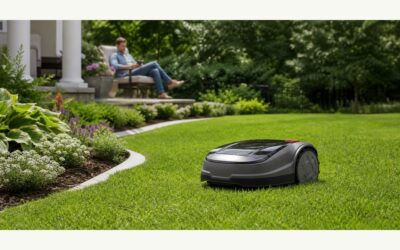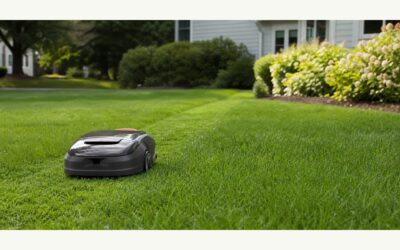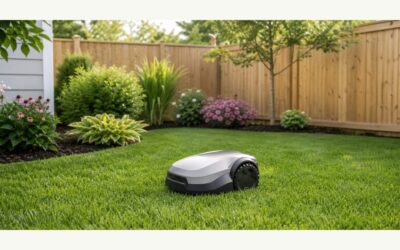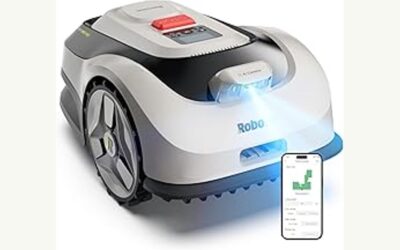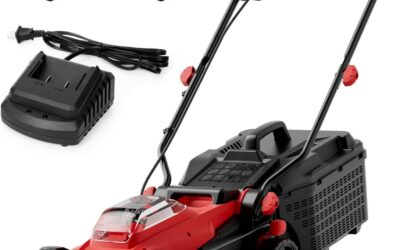



Wenn Sie sich fragen, was die besten Mähroboter für einen Hausgarten sind, hängt die richtige Antwort von der Größe Ihres Rasens, den Hängen, Begrenzungen, Bäumen und davon ab, wie viel Einrichtung Sie übernehmen möchten. Ein Mähroboter kann die wöchentliche Mäharbeit reduzieren, aber das passende Modell braucht trotzdem ein geeignetes Navigationssystem, sichere Hinderniserkennung, eine verstellbare Schnitthöhe und ein Layout, das zu Ihrem Garten passt.
Für diesen Leitfaden vom Juli 2026 hat Dove Creek Gardens 16 gelieferte Mähroboter-Angebote in der Kategorie Rasenpflege & Power-Geräte verglichen, mit Preisen von $299.00 – $2,522.51. Wir haben nur gültige Mähroboter berücksichtigt, darunter kabellose LiDAR-Modelle, RTK- und visuell geführte Mäher, Geräte für kleine Rasenflächen und app-gesteuerte Optionen für Grundstücke mit mehreren Zonen. Wenn Ihr Garten besonders uneben oder steil ist, können Sie außerdem die Optionen in unserem Ratgeber für Rasenmäher für unebenes Gelände vergleichen.
Dieser Leitfaden richtet sich an Garten-Einsteiger, vielbeschäftigte Hausbesitzer, ältere Gartenfreunde, die weniger körperliche Mäharbeit möchten, und Besitzer kleiner Gärten, die trotzdem gepflegte Rasenflächen rund um Beete, Terrassen und Wege brauchen. Die wichtigsten Kriterien sind die passende Gartengröße, der Navigationstyp, der angegebene Bereich der Schnitthöhe, falls vorhanden die Hangtauglichkeit, Hinderniserkennung, Randleistung, Wartungsaufwand und ob sich die App-Steuerung für Sie einfach genug anfühlt.
WORX WO7144 Robotic Lawn Mower for Precise, Wire-Free Yard Maintenance WORX WR320 Robot Lawn Mower with Wire-Free Mapping for Lawns up to 1/2 Acre ANTHBOT M5 Robotic Lawn Mower for Wire-Free, App-Controlled Multi-Zone Mowing YARDCARE V100 Robot Lawn Mower for Easier Small-Lawn Maintenance Prices and availability can change. We may earn a commission from qualifying purchases.


Einige Produktangaben unten sind noch auf Englisch; ihre Übersetzung wird überprüft.
Pros
- RTK Cloud positioning is designed for precise, organized mowing without a local antenna.
- Multiple zone, path, and no-go area controls offer useful flexibility for varied lawn layouts.
- The included wheel brushes and six spare blades provide some replacement parts for routine upkeep.
Cons
- Gardeners with lawns larger than the listed 1/4-acre size may need a different model or additional evaluation.
- The 39.2-pound body and 22.7 by 18.1 by 11.3-inch dimensions may require planning for storage and placement around the charging station.
- The supplied information does not specify battery runtime, cutting height, weather resistance, or maintenance intervals.
The WORX WO7144 is a wire-free robotic lawn mower intended to maintain lawns up to 1/4 acre. It is a practical fit for homeowners who want to reduce routine mowing work and manage lawn areas through an app rather than manually guiding a mower.
Its main advantage is the combination of RTK Cloud positioning, Vision AI, and V-SLAM sensor fusion. The product information indicates that these systems help the mower map lawn shapes, follow boundaries, navigate shaded areas, and create more consistent mowing paths. AI obstacle recognition is also designed to help it work around common yard objects.
Controls are handled through the app, where users can create unlimited mowing zones, set custom paths, mark no-go areas, edit the map, and monitor the mower remotely. The listed dimensions and 39.2-pound weight suggest that placement of the charging station and a suitable storage location should be planned before setup. The box includes a charging station, wheel brushes, six spare blades, accessories, and a product guide.
This mower may work well for medium-sized residential lawns with distinct areas, shaded sections, or borders that benefit from more deliberate route planning. Its selectable Parallel, Checkerboard, Diamond, and Natural patterns may also appeal to homeowners who want to change the visual finish of the lawn through the app.
Important details are not provided for battery runtime, cutting height, weather resistance, noise, or maintenance intervals, so buyers should confirm those specifications before purchase. Routine attention will still be needed for the blades, wheel brushes, charging area, and lawn conditions. Overall, the WO7144 is best suited to homeowners seeking app-based, wire-free mowing and precise zone control, while gardeners with larger properties or specific runtime and weather-resistance requirements should compare other options.
Best For / Avoid If
Best for buyers prioritizing
- RTK Cloud positioning is designed for precise, organized mowing without a local antenna.
- Multiple zone, path, and no-go area controls offer useful flexibility for varied lawn layouts.
- The included wheel brushes and six spare blades provide some replacement parts for routine upkeep.
Consider another option if
- Gardeners with lawns larger than the listed 1/4-acre size may need a different model or additional evaluation.
- The 39.2-pound body and 22.7 by 18.1 by 11.3-inch dimensions may require planning for storage and placement around the charging station.
- The supplied information does not specify battery runtime, cutting height, weather resistance, or maintenance intervals.
Pros
- Supports lawns up to 1/2 acre and can manage multiple mowing zones through the app.
- The 22.7 by 18.1 by 11.3 inch design and listed two-wheel drive configuration are suited to automated residential lawn care.
- Cut-to-edge behavior is designed to reduce missed grass along ridable edges and fixed borders.
Cons
- At 44.5 pounds, it may be less convenient to move or store than a smaller robotic mower.
- The feature set may require time to configure, especially when creating maps, pathways, zones, and no-go areas.
- The supplied information does not specify battery runtime, charging details, maintenance requirements, or how it handles unusually complex terrain.
The WORX WR320 is a robotic lawn mower for residential lawns up to 1/2 acre. Its main purpose is routine grass cutting with less manual mowing, making it a practical option for homeowners who want app-managed lawn care and prefer not to install a local perimeter antenna.
Its most notable feature is RTK Cloud navigation, which is described as providing centimeter-level accuracy through the cloud without additional cloud costs. Vision AI adds automatic mapping, boundary recognition, and obstacle understanding, while V-SLAM-based sensor fusion is intended to help maintain navigation in shaded or partially covered parts of the lawn.
Controls are handled through the app, where users can manage unlimited mowing zones, create custom pathways, set no-go areas, edit the lawn map, and monitor the mower remotely. The mower also supports Parallel, Checkerboard, Diamond, and Natural mowing patterns, giving homeowners a choice between visible geometric stripes and a less formal finish.
With listed dimensions of 22.7 by 18.1 by 11.3 inches and a weight of 44.5 pounds, the WR320 is sized for substantial residential lawn coverage rather than small patio or balcony gardening. It may work well for homeowners with multiple lawn sections or varied boundary types, provided the yard is within the stated coverage and the mapping system can be configured for the property.
The product information does not provide battery runtime, charging specifications, maintenance instructions, weather suitability, or detailed terrain limitations, so those points should be confirmed before purchase. Users should also review the operating guidance and keep people, pets, and loose objects clear of the mower while it is running, even though AI obstacle avoidance is included.
This mower is best for homeowners who value wire-free mapping, remote controls, multi-zone management, and adjustable mowing patterns. Gardeners seeking a simpler setup, a lighter machine, or clearly documented runtime and maintenance details may prefer to compare other robotic mower options before deciding.
Pros
- Useful combination of dual-camera obstacle recognition and NRTK positioning for automated lawn navigation.
- Supports sloped areas up to a listed 45% gradient and multiple lawn zones.
- Includes the mower, charging base, five-blade set, and RTK reference station.
Cons
- The listed coverage figures vary between a 0.12-acre size specification and a maximum mowing size of 0.15 acre, so gardeners should compare them with their actual lawn layout.
- Setup still requires placing and configuring the charging base and RTK reference station, even though perimeter wire is not required.
- Battery runtime, charging time, weather resistance, and detailed maintenance requirements are not provided.
The ANTHBOT M5 is a robotic lawn mower designed to maintain small to medium residential lawns with limited manual mowing. It is intended for homeowners who want app-managed mowing, automatic recharging, and multi-zone control without installing a traditional perimeter wire system.
Its main supported performance features are dual-camera vision, NRTK positioning, and adaptive cruise control. The product information indicates that the cameras use AI to recognize more than 1,000 common garden objects, while RTK positioning is designed to support precise navigation. The mower also offers a cutting-height range of 1.2 to 2.7 inches and is listed for slopes up to a 45% gradient.
Control and setup are handled through the ANTHBOT app. The mower can create a virtual map, manage up to 20 work zones, establish no-go areas, and select different mowing paths. The package includes the mower, charging base station, five-blade set, and RTK reference station, with the listed package contents shipped in multiple separate packages. Its dimensions are 19.61 by 15.43 by 9.88 inches, and its listed weight is 21.6 pounds.
This feature set may work well for a homeowner with connected lawn sections, sloped areas, or several zones that need separate mowing rules. App-based mapping could also be useful for gardeners who prefer to monitor lawn care remotely, while the self-charging function is intended to let the mower return to its base and resume work automatically.
Important details remain unspecified, including battery runtime, charging duration, weather resistance, and routine blade or mower maintenance. Gardeners should also confirm the actual usable lawn area, since the specifications list a 0.12-acre size while the product description gives a maximum mowing size of 0.15 acre. The M5 may suit homeowners prioritizing wire-free mapping and automated mowing, while those needing documented runtime, larger coverage, or fully specified outdoor-weather protection should compare other models.
Best For / Avoid If
Best for buyers prioritizing
- Useful combination of dual-camera obstacle recognition and NRTK positioning for automated lawn navigation.
- Supports sloped areas up to a listed 45% gradient and multiple lawn zones.
- Includes the mower, charging base, five-blade set, and RTK reference station.
Consider another option if
- The listed coverage figures vary between a 0.12-acre size specification and a maximum mowing size of 0.15 acre, so gardeners should compare them with their actual lawn layout.
- Setup still requires placing and configuring the charging base and RTK reference station, even though perimeter wire is not required.
- Battery runtime, charging time, weather resistance, and detailed maintenance requirements are not provided.
Pros
- Avoids the need for complicated boundary-wire installation by using visual navigation and magnetic no-go strips.
- Offers flexible cutting-height adjustment and obstacle response for varied small-lawn layouts.
- Includes several automatic safety responses, including blade stopping when lifted and pausing when rain is detected.
Cons
- The 32-foot magnetic strip may be limiting for gardeners who need to protect many separate areas or larger boundaries.
- Its listed small-lawn size and 6.3-inch cutting width may be less suitable for larger properties or faster mowing coverage.
- Gardeners should still inspect the lawn and follow operating and blade-handling precautions, since obstacle detection may not eliminate every collision risk.
The YARDCARE V100 is a battery-powered robotic lawn mower intended for routine grass cutting on small lawns up to 1,600 square feet. It is most relevant for homeowners who want to reduce manual mowing, especially where a compact mower can work around ordinary garden features.
Its camera-based visual navigation is designed to distinguish grass from non-grass areas and detect up to 150 different obstacles. The bumper and visual sensors help it adjust its route, while collision detection is intended to redirect the mower if an object reaches a blind spot.
Setup is designed to avoid digging or installing conventional boundary wires. The included 32-foot magnetic strip and 20 pegs can mark no-go areas around flower beds, pools, paths, or play spaces. The mower measures 21 by 16 by 11 inches, uses an 18V 4000mAh battery, and includes a charger plus replacement blade-and-screw sets.
For a compact backyard lawn, the 6.3-inch cutting width and adjustable 0.8 to 2.4-inch cutting height provide a practical range for regular grass maintenance. The listed slope suitability of up to 20 degrees may also help in yards with moderate inclines, though the exact layout and surface conditions will affect how well any robotic mower moves.
Safety features include a tilt sensor that stops the blades when the mower is lifted, an emergency stop switch, and a rain sensor that pauses operation during rain. Gardeners should keep the mowing area arranged for safe navigation, check the no-go strip placement, and handle blade replacement carefully. Based on the listed specifications, this is a reasonable option for small-lawn owners who value simpler installation, while larger properties or more complex boundaries may require a different mower design.
Best For / Avoid If
Best for buyers prioritizing
- Avoids the need for complicated boundary-wire installation by using visual navigation and magnetic no-go strips.
- Offers flexible cutting-height adjustment and obstacle response for varied small-lawn layouts.
- Includes several automatic safety responses, including blade stopping when lifted and pausing when rain is detected.
Consider another option if
- The 32-foot magnetic strip may be limiting for gardeners who need to protect many separate areas or larger boundaries.
- Its listed small-lawn size and 6.3-inch cutting width may be less suitable for larger properties or faster mowing coverage.
- Gardeners should still inspect the lawn and follow operating and blade-handling precautions, since obstacle detection may not eliminate every collision risk.

Pros
- Wire-free RTK setup avoids installing a physical perimeter wire.
- Includes 36 additional blades for longer-term upkeep.
- App control, auto mapping, and multi-zone management support more tailored lawn routines.
- Battery-powered automatic operation can reduce the time spent pushing or riding a mower.
- Listed cutting width of 8.66 inches is suitable for frequent robotic maintenance mowing rather than heavy one-pass cutting.
Cons
- RTK performance can depend on proper antenna placement and signal conditions, so setup may take planning in complex yards.
- The product information lists smart home compatibility as not supported, which may matter to users wanting voice assistant integration.
- With a 90-minute listed average battery life and an 8.66-inch cutting width, larger or overgrown lawns may require more mowing cycles.
The ECOVACS GOAT O1000 RTK CARE is a robotic lawn mower built for homeowners who want regular automatic mowing without installing perimeter wire. Based on the listed specifications, it is a battery-powered, automatic mower with RTK precision navigation, smart app control, auto mapping, and multi-zone lawn management. The listed variant indicates suitability up to 1/4 acre, making it most relevant for small to moderate residential lawns rather than large acreage.
The main appeal is its RTK-based navigation system, which the product information describes as providing centimeter-level positioning and systematic mowing paths. In practical terms, this is intended to help the mower move in planned routes instead of wandering randomly, which can support more consistent coverage on routine maintenance cuts. The mower also offers adjustable cutting height from 1.2 to 3.2 inches, giving homeowners some flexibility for common turf preferences.
This CARE kit is also notable because it includes 36 extra replacement blades. Robotic mowers rely on sharp, small blades for clean recurring cuts, so having replacements on hand can make routine maintenance easier. The included RTK extension cable is another useful setup detail, because it allows the antenna to be positioned where satellite reception is stronger, which may be important in yards with trees, structures, or other obstacles.
For everyday use, the app-based auto mapping and multi-zone controls are helpful if your lawn is divided into a front yard, backyard, and side strip. You can set up different mowing areas and schedules through the app, and the mower is designed to recharge automatically. Its 8.66-inch cutting width suggests it is intended for frequent trimming and upkeep rather than quickly knocking down tall, neglected grass.
There are a few practical considerations before choosing it. RTK robotic mowers depend on good signal conditions, so gardeners with heavily covered yards or complicated layouts may need to spend extra time finding the best antenna location. The listed smart home compatibility says it is not smart home compatible, so buyers who want integration with a broader home automation system should take note. As with any robotic mower, keep children, pets, loose hoses, toys, and garden debris away from the mowing area, and follow the manufacturer’s blade replacement and safety instructions.
Overall, the ECOVACS GOAT O1000 RTK CARE is a strong fit for homeowners who want automated lawn maintenance, wire-free boundary setup, and a ready supply of replacement blades. Gardeners with larger lawns, poor satellite reception, or a preference for full smart home integration may want to compare other mower options before deciding.
Best For / Avoid If
Best for buyers prioritizing
- Wire-free RTK setup avoids installing a physical perimeter wire.
- Includes 36 additional blades for longer-term upkeep.
- App control, auto mapping, and multi-zone management support more tailored lawn routines.
Consider another option if
- RTK performance can depend on proper antenna placement and signal conditions, so setup may take planning in complex yards.
- The product information lists smart home compatibility as not supported, which may matter to users wanting voice assistant integration.
- With a 90-minute listed average battery life and an 8.66-inch cutting width, larger or overgrown lawns may require more mowing cycles.

Pros
- No perimeter wire is required according to the product information, which can simplify installation compared with traditional robotic mowers.
- Supports app-based mapping, mowing paths, no-go zones, and multi-zone control for more customized lawn care.
- Includes the mower, charging base station, RTK reference station, and a blade set with five blades.
- Compact 7.9-inch cutting width and 21.6-pound listed weight may suit small to medium residential lawns where large equipment feels cumbersome.
Cons
- The listed maximum mowing size is 0.3 acre, so gardeners with larger lawns may need a different model or a more traditional mower.
- The 7.9-inch cutting width may require more passes than wider walk-behind equipment on open lawn areas.
- Because it depends on app control, RTK positioning, and vision technology, setup and routine use may require comfort with connected lawn equipment.
The ANTHBOT M9 is a robotic lawn mower built for homeowners who want to automate routine lawn trimming on small to medium yards. Based on the listed specifications, it is a battery-powered mower with app control, a charging base station, an RTK reference station, and a no-perimeter-wire setup. It is best matched to users who want less time behind a mower and are comfortable managing lawn zones through a mobile app.
The main appeal is its navigation package. The product information describes dual AI vision with full-band RTK positioning, adaptive cruise control, and centimeter-level positioning. In practical terms, these features are intended to help the mower map the lawn, follow planned mowing paths, avoid common objects, and manage complex yard layouts without a buried or staked boundary wire.
For cutting, the M9 lists a 7.9-inch cutting width, five free-rotating blades, and an adjustable cutting height from 1.2 to 2.7 inches. It is also listed for slopes up to a 45% gradient, which may be useful for many residential yards that are not perfectly flat. The app can manage up to 30 work zones, create paths between areas, and set no-go zones, giving homeowners more control around beds, patios, trees, or other landscape features.
The mower measures 19.61 inches deep by 15.43 inches wide by 9.88 inches high and has a listed weight of 21.6 pounds. Assembly is listed as not required, and the package includes the robotic mower, charging base station, blade set, and RTK reference station, though the product information notes that items may ship in separate packages. The self-charging function allows the mower to return to its base and resume work automatically, which is one of the major conveniences of this style of lawn care equipment.
In a typical backyard, the M9 makes the most sense for homeowners with a defined lawn area up to the listed 0.3-acre maximum, especially where quiet operation and frequent light trimming are preferred. The listed 58 dB or lower operating noise may be helpful in neighborhoods where early or frequent mowing with louder equipment would be disruptive. It may also appeal to older gardeners or busy homeowners who want to reduce the physical effort of regular mowing.
There are still practical considerations. Robotic mowers are not a complete substitute for all lawn tools, and edges, tight corners, heavy debris, or areas outside the mapped zones may still need attention. Users should keep children, pets, hoses, toys, and loose garden items clear during mowing and follow the manufacturer’s safety guidance, especially because the mower uses blades. Gardeners with larger properties, very simple open lawns where speed matters most, or those who prefer non-app equipment may be better served by a different mower type.
Best For / Avoid If
Best for buyers prioritizing
- No perimeter wire is required according to the product information, which can simplify installation compared with traditional robotic mowers.
- Supports app-based mapping, mowing paths, no-go zones, and multi-zone control for more customized lawn care.
- Includes the mower, charging base station, RTK reference station, and a blade set with five blades.
Consider another option if
- The listed maximum mowing size is 0.3 acre, so gardeners with larger lawns may need a different model or a more traditional mower.
- The 7.9-inch cutting width may require more passes than wider walk-behind equipment on open lawn areas.
- Because it depends on app control, RTK positioning, and vision technology, setup and routine use may require comfort with connected lawn equipment.

Pros
- No perimeter wire or RTK antenna required for setup.
- Built-in edge trimming adds functionality many robotic mowers do not include.
- Custom zones, schedules, and no-go areas support more tailored mowing plans.
- Designed for tight paths and shaded yards where navigation can be challenging.
- Reviewers commonly mention easy setup, quiet operation, and even routine cutting.
Cons
- Initial mapping and fine-tuning may take several adjustments, especially in complex yards.
- Edge trimming may still require manual follow-up around sharp corners, raised edges, narrow gaps, fences, or obstacles.
- May be less suitable for lawns with exposed sand, mulch transitions, or very uneven borders based on mixed reviewer feedback.
The ECOVACS GOAT O1000 LiDAR PRO is an automatic, battery-powered robotic lawn mower for homeowners who want frequent mowing support on lawns up to 1/4 acre. It is best understood as a routine maintenance mower rather than a full replacement for every lawn-care task, especially where borders, fences, mulch beds, and tight corners are involved.
The main advantage is its wire-free mapping system. The product information states that its HoloScope 360 degree Dual-LiDAR navigation does not require buried perimeter wire or an RTK antenna, and is designed to work under trees, near fences, and in shaded areas. For gardeners with established beds or hardscaping, avoiding perimeter wire can make installation less disruptive.
This model also includes the TruEdge trimming feature, which is meant to cut closer along driveways, sidewalks, flower beds, and irregular borders than a standard robot mower. That can reduce the amount of string trimming after mowing, but the product information and user feedback both suggest that highly complex corners, narrow gaps, raised edges, and fence lines may still need occasional manual trimming.
Control is handled through the ECOVACS app, where users can create mowing zones, schedule tasks, and set no-go areas. The mower uses AI Vision and 3D ToF LiDAR obstacle detection to navigate around common yard objects, and the narrow body is designed to pass through corridors as slim as 0.8 m. Assembly is required, and the trimmer module installation calls for the included screws and a PH2 Phillips screwdriver.
For small lawns, side yards, compact backyards, and layouts with trees or play equipment, the feature set is well matched to homeowners who prefer frequent light mowing over occasional heavy cutting. The listed cutting width is 8.66 inches, and the cutting height range is 1.2 to 3.6 inches, so gardeners who maintain taller cool-season turf should confirm that this height range fits their grass-care goals.
The balanced verdict is that the GOAT O1000 LiDAR PRO is a strong candidate for tech-comfortable homeowners who want wire-free robotic mowing with more edge help than many basic models provide. Consider a different mower if your lawn has exposed sand, frequent mulch transitions, very rough edges, or if you expect completely hands-off trimming along every fence and corner.
Best For / Avoid If
Best for buyers prioritizing
- No perimeter wire or RTK antenna required for setup.
- Built-in edge trimming adds functionality many robotic mowers do not include.
- Custom zones, schedules, and no-go areas support more tailored mowing plans.
Consider another option if
- Initial mapping and fine-tuning may take several adjustments, especially in complex yards.
- Edge trimming may still require manual follow-up around sharp corners, raised edges, narrow gaps, fences, or obstacles.
- May be less suitable for lawns with exposed sand, mulch transitions, or very uneven borders based on mixed reviewer feedback.

Pros
- Automates regular mowing with programmable schedules and self-charging.
- Designed to navigate moderate slopes of approximately 25 to 30 percent, depending on conditions.
- Remote app control and real-time updates provide convenient oversight.
- The listed 41-pound weight and compact dimensions may make the unit manageable for lawn equipment storage.
Cons
- Initial setup requires a one-time activation code before the mower can be used.
- The supplied information does not specify battery capacity, charging time, installation requirements, or detailed maintenance needs.
- Gardeners with heavily uneven terrain or complex obstacles may still need to supervise operation despite the mapping and sensor features.
The BESTMOW is a robotic lawn mower intended to handle recurring grass-cutting duties with less hands-on effort. Its listed feature set makes it a potential fit for homeowners with larger lawns, including properties described as covering up to 1.5 acres, who want scheduled mowing rather than frequent manual passes.
Its main practical benefits are automated scheduling, adjustable cutting height up to 4 inches, GPS-based mapping, and route planning. The product information indicates that it is designed to maintain coverage across lawns with changing elevations and to handle moderate slopes of about 25 to 30 percent, depending on conditions.
When the battery is low, the mower automatically returns to its charging station and resumes work after charging. Smartphone app control allows users to change settings, schedule mowing, and monitor progress remotely. The listed dimensions are 22.4 by 17.98 by 10.2 inches, and the mower weighs 41 pounds, details that may help with planning storage and moving it when needed.
This type of mower may be useful for larger residential lawns where regular trimming is time-consuming. Quiet operation could also be helpful in neighborhoods or households where conventional mower noise is inconvenient. The app and mapping features may be particularly useful for owners who want to check mowing activity without walking the entire yard.
Setup should be planned carefully because the product requires a one-time activation code before first use. Although built-in sensors are described as detecting pets and obstacles, users should not assume that automated detection removes the need for supervision, especially around children, animals, slopes, or cluttered areas. The supplied information does not provide battery specifications, charging duration, installation details, or maintenance instructions.
This mower is best suited to homeowners seeking automated routine lawn care and app-based oversight. Those with highly irregular terrain, complicated lawn boundaries, or a preference for detailed control over every mowing pass may want to compare it with another robotic mower after confirming setup and compatibility requirements.
Best For / Avoid If
Best for buyers prioritizing
- Automates regular mowing with programmable schedules and self-charging.
- Designed to navigate moderate slopes of approximately 25 to 30 percent, depending on conditions.
- Remote app control and real-time updates provide convenient oversight.
Consider another option if
- Initial setup requires a one-time activation code before the mower can be used.
- The supplied information does not specify battery capacity, charging time, installation requirements, or detailed maintenance needs.
- Gardeners with heavily uneven terrain or complex obstacles may still need to supervise operation despite the mapping and sensor features.

Pros
- No perimeter wire or RTK antenna is required according to the product information.
- Integrated edge trimming is a useful feature for lawns with hardscape borders and planting beds.
- Smart app controls allow zone-based scheduling and no-go area setup.
- Listed IPX6 waterproof design supports routine outdoor use and cleanup needs.
- Designed for lawns up to 1/2 acre, making it relevant for many suburban yards.
Cons
- The listed cutting width is narrow, so larger or fast-growing lawns may need more frequent scheduled runs.
- App-based mapping and zone setup could take some learning for gardeners who prefer simple manual controls.
- Plastic construction may not appeal to buyers looking for a heavier metal-bodied mower.
The ECOVACS GOAT A2000 LiDAR PRO is a battery-powered robotic lawn mower for homeowners who want to automate routine lawn cutting on yards up to 1/2 acre. It is especially relevant for people who like the idea of robotic mowing but do not want to install a perimeter wire or rely on a separate RTK antenna.
Its standout feature is the HoloScope 360 dual-LiDAR navigation system, which the product information says can automatically map the yard and provide precise positioning, including in shaded areas, near fences, and under trees. For practical lawn care, that means the mower is designed to work in more complicated residential spaces where signal loss can be a concern.
The built-in TruEdge trimmer adds value for homeowners who usually have to clean up along sidewalks, driveways, flower beds, and uneven borders after mowing. The product includes two rolls of trimming line, each listed for about 3 km of edging, and the app allows users to create mowing zones, set no-go areas, adjust cutting height and speed, and define travel paths between zones.
Based on the listed specifications, this model uses a 32V battery-powered platform with a dual-blade disc system and a cutting height range from 1.2 to 3.6 inches across five positions. It has a listed average battery life of 50 minutes and recharges in about 50 minutes, which supports scheduled mowing cycles rather than occasional heavy cutting.
In a typical backyard, this mower is best suited to homeowners with defined lawn areas, borders that benefit from edge trimming, and a willingness to manage settings through the ECOVACS app. It may also be useful for older gardeners or busy households who want to reduce the amount of walking, pushing, and trimming involved in routine lawn maintenance.
As with any robotic mower, users should keep the lawn clear of loose objects, supervise initial mapping, and use no-go areas around places where the mower should not travel. Gardeners with very simple, tiny lawns may not need this level of automation, while those with complex yards who want wire-free navigation and app-based control are the most likely fit.
Best For / Avoid If
Best for buyers prioritizing
- No perimeter wire or RTK antenna is required according to the product information.
- Integrated edge trimming is a useful feature for lawns with hardscape borders and planting beds.
- Smart app controls allow zone-based scheduling and no-go area setup.
Consider another option if
- The listed cutting width is narrow, so larger or fast-growing lawns may need more frequent scheduled runs.
- App-based mapping and zone setup could take some learning for gardeners who prefer simple manual controls.
- Plastic construction may not appeal to buyers looking for a heavier metal-bodied mower.

Pros
- Designed for steep and uneven lawns with all-wheel drive, adaptive suspension, and a listed slope capability of up to 80 percent.
- Detailed navigation system uses LiDAR, NetRTK, and AI vision rather than relying on a single positioning method.
- Supports complex lawn layouts with up to 30 mowing zones, no-go areas, and several coverage patterns.
- Listed runtime of up to 175 minutes per charge and mowing coverage of up to 500 square meters per hour may suit larger residential lawns.
Cons
- The garage ships separately, so the complete setup may arrive in more than one delivery.
- Its 27.2 by 21 by 12.8 inch dimensions may require dedicated storage and a suitable charging location.
- Gardeners with simple, flat lawns may not need the advanced navigation and off-road features of this model.
The Mammotion LUBA 3 AWD 3000H is a robotic lawn mower for homeowners who want automated grass cutting across larger, sloped, uneven, or divided residential lawns. Its feature set is especially relevant to yards where conventional robotic mowers may need more help navigating changes in terrain or multiple mowing areas.
Its main advantage is the combination of 360° LiDAR, NetRTK, and dual-camera AI vision. Based on the listed specifications, these systems work together to map the yard, recognize objects, and switch sensing methods as conditions change. The mower can also identify more than 300 obstacle types and plan paths around them.
For lawn access and maneuverability, the mower uses four independently powered motors, all-wheel drive, omni-wheel pivoting, and adaptive suspension. The product information states that it can handle slopes up to 80 percent, or 38.6 degrees, and step over curbs, roots, and thresholds up to 50 mm high. Its listed dimensions are 27.2 by 21 by 12.8 inches, so owners should plan a clear charging and storage area.
The mower supports up to 30 mowing zones and lets users define no-go areas, which can be useful for lawns separated by paths or surrounding garden features. Perimeter-only, zigzag, checkerboard, and adaptive zigzag patterns provide options for different coverage preferences. The listed battery can run for up to 175 minutes per charge, with coverage of up to 500 square meters per hour.
Routine attention may include keeping the cutting system and sensors clear, checking the blades, and following the product guide for setup and safe operation. The included extra blade set, charging station, and garage add practical value, but the garage ships separately. Because installation details, operating conditions, and maintenance schedules are not provided, buyers should review the guide before relying on the mower in a complex yard.
This model is best suited to homeowners with challenging terrain, multiple lawn zones, or a preference for highly automated mowing. Gardeners with a small, flat, uncomplicated lawn may prefer a simpler robotic mower with fewer navigation features and less equipment to configure.
Best For / Avoid If
Best for buyers prioritizing
- Designed for steep and uneven lawns with all-wheel drive, adaptive suspension, and a listed slope capability of up to 80 percent.
- Detailed navigation system uses LiDAR, NetRTK, and AI vision rather than relying on a single positioning method.
- Supports complex lawn layouts with up to 30 mowing zones, no-go areas, and several coverage patterns.
Consider another option if
- The garage ships separately, so the complete setup may arrive in more than one delivery.
- Its 27.2 by 21 by 12.8 inch dimensions may require dedicated storage and a suitable charging location.
- Gardeners with simple, flat lawns may not need the advanced navigation and off-road features of this model.

Pros
- Wire-free mapping can be useful for complex lawns and separate mowing areas.
- The combination of edge-focused cutting, obstacle avoidance, and slope handling suits varied residential yards.
- A listed 3-year warranty and 24/7 after-sales service provide useful support for a technical lawn-care product.
Cons
- The listed 0.25-acre capacity may be less suitable for larger properties or lawns that require substantial unmapped space.
- Homeowners should still keep the lawn clear of unexpected items and monitor initial mapping, obstacle recognition, and boundary behavior.
- At 34 x 20 x 16 inches and 30 pounds, it requires dedicated storage and a suitable location for the charging tower.
The MOVA LiDAX Ultra 1000 is a wireless robotic lawn mower intended to handle routine grass cutting on lawns listed for up to 0.25 acre. Its feature set is aimed at homeowners who want automated mowing without installing boundary wire, especially those with complex layouts, separate lawn areas, slopes, or regular obstacles.
Its main operating advantage is the combination of 360° 3D LiDAR, AI vision, and automatic 3D mapping. The mower is designed to plan U-shaped mowing paths, return to its charging tower when needed, and resume where it stopped. The movable disc is also designed to cut within 2 inches of walls, hedges, and raised edges, which can reduce the amount of trimming required after mowing.
Based on the listed specifications, the mower measures 34 x 20 x 16 inches and weighs 30 pounds. Cutting height can be adjusted through the MOVAhome App from 1.2 to 3.9 inches. The package information lists a charging tower, power supply, screws, cleaning brush, and one set of nine blades. The charging tower will need a suitable, accessible installation location, although specific placement requirements are not provided.
For a residential backyard, the dual-map feature can be useful when the front and back lawns are separate or when a property includes multiple mapped lawn areas. Up to 150 managed zones may help organize mowing schedules and exclusions. Rear-wheel drive, off-road wheels, and the listed ability to handle slopes up to 45% may also suit yards with uneven ground, narrow paths, and modest raised obstacles.
As with any autonomous mower, the initial map should be checked carefully, and the lawn should be cleared of items that could interfere with movement or cutting. The product information describes obstacle recognition for more than 300 types of objects, but it does not provide independent testing details or guarantee detection in every situation. Routine blade care, cleaning with the included brush, and attention to anti-theft alerts are sensible maintenance steps. This mower is a strong match for homeowners seeking wire-free automation and app control, while gardeners with larger lawns or a preference for manual oversight may want a different solution.
Best For / Avoid If
Best for buyers prioritizing
- Wire-free mapping can be useful for complex lawns and separate mowing areas.
- The combination of edge-focused cutting, obstacle avoidance, and slope handling suits varied residential yards.
- A listed 3-year warranty and 24/7 after-sales service provide useful support for a technical lawn-care product.
Consider another option if
- The listed 0.25-acre capacity may be less suitable for larger properties or lawns that require substantial unmapped space.
- Homeowners should still keep the lawn clear of unexpected items and monitor initial mapping, obstacle recognition, and boundary behavior.
- At 34 x 20 x 16 inches and 30 pounds, it requires dedicated storage and a suitable location for the charging tower.

Pros
- Combines app scheduling with a wire-free installation approach.
- Includes a flexible magnetic-strip system for protecting selected lawn areas.
- Compact 17 x 14 x 8.6-inch dimensions may be practical for storage between mowing sessions.
- Adjustable cutting height and included replacement blades support ongoing lawn maintenance.
Cons
- The listed information does not specify battery runtime, charging time, or detailed cutting-height settings.
- Gardeners with complex borders or larger lawns may need to plan no-go zones carefully and confirm that the listed coverage fits their space.
- Weather resistance, terrain limits, and replacement-part availability are not provided, so these details should be confirmed before purchase.
The LEBOSBO V3 is a robotic lawn mower intended for routine grass cutting on lawns listed at up to 1,600 square feet. Its feature set is aimed at homeowners who want to reduce manual mowing and manage regular lawn tasks through a smartphone app.
AI vision obstacle sensing is designed to help the mower detect objects and navigate lawn areas more accurately. Adjustable cutting height gives gardeners some control over the finished grass length, while the listed low-noise design may be helpful in backyards where minimizing disturbance matters.
The mower uses a wire-free setup rather than requiring perimeter cable installation. Its included 32-foot magnetic strip can be secured with the supplied ground stakes to create no-go areas around gardens, decorations, or pet spaces. The package also includes an MX 18V 4000mAh battery, charger, replacement blades, and a user manual, although battery runtime and charging details are not listed.
This design may fit a relatively defined residential lawn where the mowing area can be clearly separated from planting beds and other sensitive spaces. App scheduling and remote monitoring could be convenient for homeowners who prefer setting mowing tasks in advance rather than operating a mower manually each time.
Before buying, confirm the mower's compatibility with the shape, borders, slopes, and surface conditions of your lawn. The supplied information does not specify weather resistance, terrain limits, runtime, charging time, or exact cutting-height ranges. Routine upkeep should include following the manual, keeping no-go boundaries properly positioned, and handling the blades and battery with care.
The LEBOSBO V3 is worth considering for homeowners seeking app-managed, lower-noise mowing with a wire-free boundary approach. Those with irregular lawns, extensive obstacles, or coverage needs beyond the listed lawn size may prefer a model with more detailed terrain, runtime, and boundary specifications.
Best For / Avoid If
Best for buyers prioritizing
- Combines app scheduling with a wire-free installation approach.
- Includes a flexible magnetic-strip system for protecting selected lawn areas.
- Compact 17 x 14 x 8.6-inch dimensions may be practical for storage between mowing sessions.
Consider another option if
- The listed information does not specify battery runtime, charging time, or detailed cutting-height settings.
- Gardeners with complex borders or larger lawns may need to plan no-go zones carefully and confirm that the listed coverage fits their space.
- Weather resistance, terrain limits, and replacement-part availability are not provided, so these details should be confirmed before purchase.

Pros
- Wire-free navigation may simplify setup for yards with clearly defined grass boundaries.
- Magnetic-strip no-go zoning offers a flexible way to restrict access to selected lawn areas.
- App scheduling and automatic charging can reduce the need for frequent manual mowing.
- The 28.7-pound design and compact 23 x 15.8 x 9.5-inch dimensions may be practical for homeowners managing limited storage space.
Cons
- It may be less suitable for lawns without clear visual boundaries, since the vision-navigation system is designed around defined grass and non-grass areas.
- Grass taller than 2.6 inches should be manually trimmed before initial use, which adds preparation work.
- Routine blade replacement is recommended, and gardeners with complex obstacles or changing lawn layouts may need to manage no-go zones carefully.
The YARDCARE M800Plus is a robotic lawn mower designed for routine grass cutting on residential lawns up to 8611 square feet. Its cordless GPS and 3D vision navigation is intended for yards with clear visual boundaries, making it a potential fit for homeowners who want scheduled mowing without installing traditional boundary wires.
The feature set focuses on reducing routine lawn-care effort. Vision-based navigation identifies grass and non-grass areas, while obstacle detection is designed to recognize common lawn objects and adjust movement. The mower also supports slopes up to 35 percent, or 20 degrees, which may help it manage many typical residential lawn sections.
Homeowners can use the YARDCARE App to set schedules, adjust mowing patterns, and access firmware updates. The included 32.8-foot magnetic strip provides a no-go zone option without digging or using an external power source. The mower measures 23 by 15.8 by 9.5 inches and weighs 28.7 pounds, so storage planning is still worthwhile even though the listed dimensions are relatively compact for a lawn machine.
The adjustable cutting height spans 0.8 to 2.4 inches, and the three-blade cutting disc has a 7-inch cutting width. Spiral spot mowing is intended for thicker or faster-growing patches, while automatic charging supports unattended mowing sessions. These functions may be useful for homeowners who prefer regular lawn maintenance rather than occasional heavy cutting.
Before initial use, grass taller than 2.6 inches should be manually trimmed according to the product information. Routine blade replacement is also recommended to maintain consistent cutting performance. Because navigation depends on clear visual boundaries, gardeners with highly irregular edges, complex obstacles, or frequently changing lawn layouts may prefer a mower with another boundary-management approach.
This model is a reasonable option for homeowners who want app-controlled, wire-free mowing and have a clearly defined lawn with manageable slopes. It may be less suitable for overgrown lawns at startup or properties where grass boundaries are difficult for a vision-based system to distinguish.
Best For / Avoid If
Best for buyers prioritizing
- Wire-free navigation may simplify setup for yards with clearly defined grass boundaries.
- Magnetic-strip no-go zoning offers a flexible way to restrict access to selected lawn areas.
- App scheduling and automatic charging can reduce the need for frequent manual mowing.
Consider another option if
- It may be less suitable for lawns without clear visual boundaries, since the vision-navigation system is designed around defined grass and non-grass areas.
- Grass taller than 2.6 inches should be manually trimmed before initial use, which adds preparation work.
- Routine blade replacement is recommended, and gardeners with complex obstacles or changing lawn layouts may need to manage no-go zones carefully.

Pros
- Suitable for larger residential lawns up to 21,780 square feet, including terrain with slopes and uneven grass.
- Multi-zone mapping and virtual no-go areas can simplify care around landscape features.
- Vision AI is designed to help route around common objects during daytime or nighttime operation.
- The 26-pound size and 26.7 by 16.3 by 10.3-inch dimensions provide a relatively compact footprint for a mower in this category.
Cons
- It may be less suitable for homeowners who prefer a simple manual mower or do not want to manage maps, zones, and schedules in an app.
- The product information does not specify battery runtime, charging details, weather resistance, or maintenance intervals.
- The 8.7-inch cutting width could require more passes than a wider conventional mower on open lawns.
The SUNSEEKER X5 is a wire-free robotic lawn mower intended for routine grass cutting on residential yards up to 0.5 acre, or 21,780 square feet. Its feature set is aimed at homeowners who want scheduled mowing with less manual pushing, particularly where the lawn includes slopes, uneven ground, roots, or multiple sections.
Its main navigation system combines RTK satellite positioning, VSLAM, and Vision AI to map the yard, plan systematic paths, and maintain coverage. The product information indicates that this approach is intended to support operation under trees, in shade, or in areas with weaker RTK signals, while Vision AI can detect common objects and adjust the route during daytime or nighttime mowing.
Setup is designed around virtual boundaries rather than buried perimeter wire. Through the app, users can create up to five maps, define smart zones and no-go areas, and adjust mowing schedules and cutting height. The 8.7-inch floating cutting system offers a 1.6 to 3.2-inch height range and is described as following lawn contours, while the mower can pass through spaces as narrow as 31.5 inches.
For backyard use, the X5 may fit homeowners managing a larger lawn with separate grass areas, narrow passages, flower beds, or pool surroundings. AWD, rugged tires, and independent front suspension are intended to improve stability across changing terrain, with the listed slope capability reaching up to 30° / 60%. Its 26-pound weight and compact listed dimensions may also make it practical to position within a typical lawn-care setup, although storage requirements are not specified.
Important details remain unlisted, including battery runtime, charging time, weather resistance, and maintenance intervals, so buyers should confirm those points before purchase. The mower's automated controls and mapping features may require more initial setup than a conventional mower, and its narrower cutting width may mean additional passes on open lawns. Overall, it is a reasonable fit for homeowners seeking wire-free, multi-zone robotic mowing and terrain assistance, while gardeners wanting a basic mower or fully documented operating specifications may prefer a simpler or more extensively specified option.
Best For / Avoid If
Best for buyers prioritizing
- Suitable for larger residential lawns up to 21,780 square feet, including terrain with slopes and uneven grass.
- Multi-zone mapping and virtual no-go areas can simplify care around landscape features.
- Vision AI is designed to help route around common objects during daytime or nighttime operation.
Consider another option if
- It may be less suitable for homeowners who prefer a simple manual mower or do not want to manage maps, zones, and schedules in an app.
- The product information does not specify battery runtime, charging details, weather resistance, or maintenance intervals.
- The 8.7-inch cutting width could require more passes than a wider conventional mower on open lawns.
Pros
- All-wheel drive is a useful feature for sloped or rough lawn areas.
- Wire-free mapping avoids the installation of a traditional perimeter wire.
- Adjustable cutting height and zero-turn steering support a more controlled mowing pattern.
- GPS alerts and multi-zone management add useful remote oversight.
Cons
- The listed 0.15-acre mowing capacity may be limiting for larger properties or lawns with multiple extensive sections.
- Gardeners who want a simple setup without mapping technology may find the RTK and Vision feature set more involved than a basic robotic mower.
- The supplied information does not detail routine maintenance, weather suitability, or storage requirements.
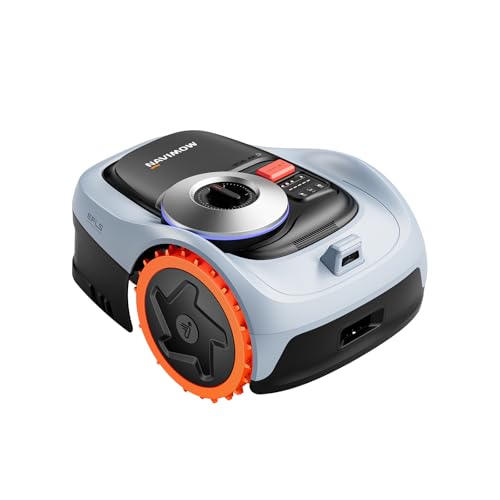
The NAVIMOW i206 AWD is a robotic lawn mower intended to automate grass cutting on residential lawns, particularly where slopes and uneven ground make basic models less suitable. Based on the listed capacity, it is best matched with smaller to medium-sized properties covering up to 0.15 acre, with the product information also stating coverage of up to 1,350 square feet per charge.
Its main performance advantage is the all-wheel-drive system paired with automotive-grade stability control. The manufacturer states that it can tackle slopes up to 45%, which may make it a practical choice for homeowners with hilly sections or rougher lawn surfaces. Zero-turn steering is designed to let the mower pivot smoothly, while the adjustable 2 to 3.6 inch cutting height provides flexibility for different lawn preferences.
This model uses EFLS Network RTK and Vision for wire-free, one-tap auto mapping rather than a traditional perimeter wire. The feature set suggests that careful mapping is central to setup and operation. Once configured, the mower can manage up to 20 mowing zones, use optimized routes, return to charge, and resume mowing automatically. Its listed dimensions are 33.5 by 24 by 13.8 inches, and the color is black.
For a backyard with sloped sections, several separate lawn areas, or a layout where installing boundary wire would be inconvenient, the i206 AWD offers a centralized way to manage mowing. Real-time GPS alerts may also help homeowners monitor the mower if it is lifted or moves off course. The stated 2.5Ah battery and automatic charging are suited to routine mowing within the product's listed lawn-size limits.
The main limitation is coverage. Larger properties or lawns requiring more than the listed 0.15-acre capacity may need a different mower or a model designed for broader areas. The supplied information does not specify weather resistance, maintenance intervals, storage guidance, or installation requirements beyond the wire-free mapping system, so buyers should confirm those details before purchase. Overall, it appears best for homeowners who value automated mowing, slope capability, and multi-zone GPS control, while gardeners wanting a simpler or higher-capacity solution may prefer another option.
Pros
- Scheduled mowing can reduce repetitive manual lawn work.
- The listed slope capability expands its usefulness on uneven or hilly residential lawns.
- Rain-sensor pausing and boundary-wire guidance support more controlled operation.
Cons
- The mower depends on boundary-wire installation, so setup requires planning around the lawn's edges and obstacles.
- Its stated coverage is limited to lawns up to 1/4 acre, so larger properties may need a different solution.
- At about 41 pounds and 25 by 17.5 by 10 inches, it may require a dedicated storage location and some effort to move.
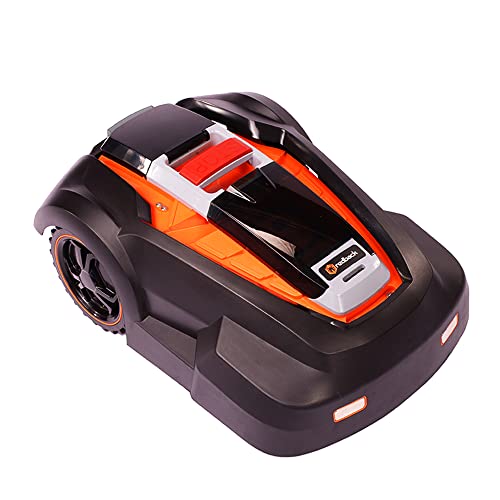
The Mowro Robot Lawn Mower is designed to handle recurring lawn cutting with less manual effort. It follows a boundary wire and runs on a fixed schedule, making it a reasonable option for homeowners who want regular maintenance without pushing a mower across the yard each time.
The listed specifications indicate coverage of up to 1/4 acre, or 10,890 square feet, along with the ability to manage slopes up to 50% and uneven terrain. Its adjustable cutting height gives homeowners some control over the finished grass length, while the 65 dBA operating level is intended to keep mowing relatively quiet.
Installation is based on the included self-installation kit, boundary wire, and step-by-step instructions. The product information indicates that no tools or professional installer are required. At 25 by 17.5 by 10 inches and approximately 41 pounds, it is compact enough for many storage areas, but its weight is worth considering when moving or storing it.
This mower is best suited to residential lawns within the stated coverage area, especially yards where scheduled maintenance and sloped or uneven sections make manual mowing inconvenient. The boundary-wire design also makes careful lawn-edge planning important before operation.
The rain sensor pauses the mower during wet conditions, which may help avoid mowing a damp lawn. Homeowners should follow the supplied installation and operating instructions, verify the boundary layout, and plan storage for the mower when it is not in use. Because the product information does not provide battery runtime, charging details, or maintenance intervals, those factors should be confirmed before purchase.
Choose this model if your lawn is within the stated size range and you value scheduled, quieter mowing with DIY installation. Gardeners with larger properties or those who prefer to avoid boundary-wire setup may want to consider a different robotic mower design.
Best For / Avoid If
Best for buyers prioritizing
- Scheduled mowing can reduce repetitive manual lawn work.
- The listed slope capability expands its usefulness on uneven or hilly residential lawns.
- Rain-sensor pausing and boundary-wire guidance support more controlled operation.
Consider another option if
- The mower depends on boundary-wire installation, so setup requires planning around the lawn's edges and obstacles.
- Its stated coverage is limited to lawns up to 1/4 acre, so larger properties may need a different solution.
- At about 41 pounds and 25 by 17.5 by 10 inches, it may require a dedicated storage location and some effort to move.
Kaufberatung: Was sind die besten Mähroboter
Mit Gartengröße und Mähzonen beginnen
Mähroboter sind meist für eine maximale Rasenfläche ausgelegt, und diese Angabe ist wichtiger als die Markenpräferenz. In den gelieferten Daten reichen Beispiele von kleinen Modellen wie dem YARDCARE V100 Robot Lawn Mower für Rasenflächen bis zu 1,600 sq ft bis zu größeren Optionen wie dem ECOVACS Goat A2000 LiDAR PRO Robotic Lawn Mower für bis zu 1/2 acre.
Planen Sie nicht zu knapp, wenn Ihr Garten getrennte Vorder-, Hinter- und Seitenbereiche hat. Die Verwaltung mehrerer Zonen ist hilfreich, wenn der Mäher verschiedene Rasenteile getrennt behandeln muss. Der ANTHBOT M9 Robot Lawn Mower unterstützt über die App bis zu 30 Arbeitszonen, während beim MOVA LiDAX Ultra 1000 bis zu 150 verwaltete Zonen und Dual Maps angegeben sind.
Das Navigationssystem passend zum Garten wählen
Die Navigation ist einer der größten Unterschiede bei Mährobotern. LiDAR-Modelle wie der ECOVACS Goat O1000 LiDAR PRO und der ECOVACS Goat A2000 LiDAR PRO werden mit kabelloser Kartierung und Dual-LiDAR-Positionierung angegeben. Die Ausstattung deutet auf Vorteile in schattigen Gärten, unter Bäumen und in Bereichen hin, in denen GPS-basierte Systeme das Signal verlieren können.
RTK- und visuelle Systeme sind in dieser Gruppe ebenfalls verbreitet. Der ANTHBOT M9 nutzt Dual AI Vision mit Full-Band RTK, während das ECOVACS Goat O1000 RTK Care Kit RTK-Präzisionsnavigation verwendet und ein RTK-Verlängerungskabel für flexiblere Antennenplatzierung enthält. Das Segway Navimow i206 AWD listet NRTK plus Vision und Auto-Mapping für eine kabellose Einrichtung.
Ränder, Begrenzungen und enge Passagen genau prüfen
Ein Mähroboter kann die Mähzeit reduzieren, aber viele Modelle lassen an Zäunen, erhöhten Kanten, Baumringen oder engen Ecken noch etwas Nacharbeit übrig. Der ECOVACS Goat O1000 LiDAR PRO enthält einen integrierten TruEdge-Trimmer, der für Einfahrten, Gehwege, Blumenbeete und unregelmäßige Kanten gedacht ist, mit dem Hinweis, dass einige komplexe Ecken oder erhöhte Kanten gelegentlich noch manuell nachgetrimmt werden müssen.
Bei kompakten Gärten, Seitengärten und schmalen Durchgängen sollten Sie die angegebene Passagefähigkeit prüfen. Beim ECOVACS Goat O1000 LiDAR PRO wird ein besonders schmaler Korpus beschrieben, der Durchgänge von nur 0.8 m passieren kann. Solche Angaben sind wichtig für Reihenhäuser, Seitengärten und Rasenflächen, die durch Beete unterbrochen sind.
Hangtauglichkeit und Schnitthöhe an Ihren Rasen anpassen
Hangangaben sind besonders wichtig bei Gärten, die zu Gehwegen, Entwässerungsrinnen oder Terrassen abfallen. Bei den Angeboten ANTHBOT M9, MOVA LiDAX Ultra 1000, ANTHBOT M5 und Segway Navimow i206 AWD wird jeweils eine Hangtauglichkeit von 45% genannt. Das bedeutet nicht, dass jeder schwierige Garten einfach wird, ist aber ein nützlicher Filterpunkt.
Die Schnitthöhe sollte zu Ihrer Grasart und zum gewünschten Rasenbild passen. Beim ANTHBOT M9 ist eine verstellbare Schnitthöhe von 1.2-2.7 in angegeben. Beim Segway Navimow i206 AWD sind 2-3.6 in genannt, während der MOVA LiDAX Ultra 1000 1.2-3.9 in listet. Höhere Einstellungen können hilfreich sein, wenn Sie Gras bei heißem Wetter nicht zu stark kürzen möchten, aber folgen Sie immer dem Handbuch des Mähers für eine sichere Einrichtung und Anpassung.
| Merkmal | Warum es wichtig ist | Beispiel aus den gelieferten Daten |
|---|---|---|
| Abdeckung kleiner Flächen | Hilft zu vermeiden, mehr Mäher zu kaufen, als ein kompakter Garten braucht. | YARDCARE V100 und V3 nennen Rasenflächen bis 1,600 sq ft. |
| Abdeckung mittlerer Flächen | Nützlich für typische Vorstadtgärten mit mehreren Bereichen. | ECOVACS Goat O1000 LiDAR PRO nennt Rasenflächen bis 1/4 acre; ANTHBOT M9 nennt eine maximale Mähfläche von 0.3 acre. |
| Abdeckung größerer Flächen | Bietet mehr Kapazität für größere Hausgärten. | ECOVACS Goat A2000 LiDAR PRO nennt Rasenflächen bis 1/2 acre. |
| Hänge | Wichtig für unebene Gärten und Gefälle bei der Entwässerung. | ANTHBOT M9, MOVA LiDAX Ultra 1000, ANTHBOT M5 und Segway Navimow i206 AWD nennen 45% Hangtauglichkeit. |
Hinderniserkennung bei Kindern, Haustieren und Beeten berücksichtigen
Hinderniserkennung ist kein Grund, Sicherheit zu ignorieren, kann dem Mäher aber helfen, sich um übliches Gartenzubehör zu bewegen. Der ECOVACS Goat O1000 LiDAR PRO nennt AI Vision und 3D ToF LiDAR, die mehr als 200 Hindernistypen erkennen, darunter Spielzeug, Terrassenmöbel, Haustiere und kleine Wildtiere. Der ANTHBOT M9 nennt zwei 150° HDR-Kameras und integrierte KI-Algorithmen, um über 1,000 gängige Gartenobjekte zu erkennen.
Entfernen Sie vor jedem geplanten Mähvorgang Schläuche, lose Werkzeuge, kleines Spielzeug und temporäre Beetbegrenzungen. Halten Sie Kinder und Haustiere während des Betriebs fern und befolgen Sie die Sicherheitshinweise des Herstellers. Für eine an Wildtiere angepasste Gartenplanung über das Mähen hinaus behandelt Dove Creek Gardens auch Themen zu Gartenschädlingen und Wildtieren.
Einrichtungsaufwand und App-Komfort bedenken
Viele neuere Mähroboter kommen ohne Begrenzungskabel aus, aber die Einrichtung ist nicht immer mühelos. App-Kartierung, No-Go-Bereiche, die Platzierung der Ladestation, die Positionierung einer RTK-Antenne und Fahrwege zwischen Zonen können Geduld erfordern. Beim ECOVACS Goat O1000 LiDAR PRO wird darauf hingewiesen, dass die erste Einrichtung und Feineinstellung bei besonderen Gartenlayouts ein paar Anpassungen erfordern kann.
Für Anfänger sind klare Auto-Mapping-Funktionen und eine einfache Zonenverwaltung wichtig. Der ANTHBOT M9 wird als anfängerfreundlich beschrieben, mit KI-Vision, die in der ANTHBOT-App in etwa 10 Minuten eine virtuelle Karte erstellt, ohne dass Sie ihn manuell über das Grundstück fahren müssen. Wenn Sie App-Steuerung nicht mögen, kann ein Mähroboter trotzdem praktisch sein, aber wählen Sie ein Modell mit der einfachsten Setup-Beschreibung in Angebot und Handbuch.
An Klingenpflege, Reinigung und Lagerung denken
Mähroboter brauchen dennoch regelmäßige Pflege. Klingen nutzen sich ab, Grasreste sammeln sich an, und Sensoren oder Kameras müssen je nach Herstelleranleitung gereinigt werden. Das ECOVACS Goat O1000 RTK Care Kit ist bemerkenswert, weil es 36 zusätzliche Ersatzklingen enthält, was für Hausbesitzer attraktiv sein kann, die Ersatzklingen griffbereit haben möchten.
Auch die Lagerung ist wichtig. Halten Sie den Ladebereich ordentlich und stellen Sie die Station gemäß Handbuch auf, damit der Mäher zuverlässig zurückkehren kann. Folgen Sie bei der saisonalen Lagerung den Batterie- und Reinigungshinweisen des Herstellers und bewahren Sie Zubehör wie Klingen, RTK-Teile und Ladekomponenten geordnet auf. Eine wettergeschützte Lagerlösung kann auch gut zu einer separaten Gartenaufbewahrung passen, etwa zu den Optionen aus unserem Ratgeber zu Deckboxen für Gartengeräte.
Häufige Kauffehler vermeiden
Der häufigste Fehler ist, nur nach dem Preis zu kaufen. Ein günstigerer Mäher für kleine Flächen kann für einen einfachen 1,600 sq ft-Garten genau richtig sein, aber nicht für einen größeren Garten mit separaten Zonen, Hängen und Bäumen. Ebenso kann ein fortschrittlicheres Modell unnötig sein, wenn Sie nur leichtes Mähen rund um eine kleine Terrassenfläche brauchen.
Ein weiterer Fehler ist anzunehmen, dass Mähroboter alle Rasenpflegeaufgaben ersetzen. Vielleicht müssen Sie schwierige Kanten immer noch schneiden, verdichteten Boden belüften, bei Bedarf Samen oder Dünger ausbringen und Gartenbegrenzungen freihalten. Für die breitere Planung der Rasenpflege sehen Sie auch unsere Ratgeber zu Rasenbelüftern für verdichteten Boden und Streuwagen für kleine Rasenflächen.
Methodik und Vertrauen
Dieser Leitfaden basiert auf der Recherche und dem Vergleich der gelieferten Produktdaten, nicht auf physischem Testen durch Dove Creek Gardens. Wir haben jeden gelisteten Artikel auf Relevanz für das Keyword was sind die besten Mähroboter und die Kategorie Rasenpflege & Power-Geräte geprüft. Die gültigen Artikel waren Mähroboter für die automatisierte Rasenpflege im Hausgarten, nicht Zubehör oder nicht verwandte Geräte.
Zu den Ranking-Faktoren gehörten dokumentierte Rasenabdeckung, kabellose oder geführte Navigation, Hinderniserkennung, App-Steuerung, Unterstützung mehrerer Zonen, Angaben zur Schnitthöhe sofern vorhanden, Hangtauglichkeit sofern vorhanden, Randmähfunktionen, Geräuschangaben nur wenn gelistet, sowie Wartungsdetails wie enthaltene Ersatzklingen. Wir haben auch Bewertung und Anzahl der Rezensionen als Hinweise aus der Nutzererfahrung berücksichtigt, wobei Bewertungen allein nicht belegen, dass ein Modell für jeden Garten geeignet ist.
Während des Juli-Updates haben wir die gelisteten Preise, Bewertungen und Spezifikationen innerhalb des angegebenen Bereichs von $299.00 – $2,522.51 verglichen. Wir haben keine Laufzeit, Garantieabdeckung, Wasserdichtigkeitsangaben, Klingenmaterialien, Abmessungen oder Aussagen zur Langzeit-Haltbarkeit erfunden, wenn diese Details nicht angegeben waren.
Empfehlungen zum Schluss
Gesamtempfehlung: ECOVACS Goat O1000 LiDAR PRO Robot Lawn Mower, Wire-Free Mapping with LiDAR Navigation, AI Obstacle Avoidance, Smart Edge Mowing, App Control, for Lawns Up to 1/4 Acre. Laut den angegebenen Spezifikationen bietet er eine starke Kombination aus kabelloser LiDAR-Kartierung, 2 cm Positionierung, integriertem TruEdge-Trimming, KI-Hinderniserkennung, App-Zonen, No-Go-Bereichen und einem schmalen Gehäuse für enge Passagen.
Einsteiger-Empfehlung: ANTHBOT M9 Robot Lawn Mower 1/4 Acre, Dual Vision+Full-Band RTK Robotic Lawnmower, No Perimeter Wire, App Control Obstacle Avoidance, 45% Slope, Cutting Height, Multi-Zone Mapping. Er ist nach den gelieferten Daten die beste Wahl für Hausbesitzer, die eine anfängerfreundliche Einrichtung wünschen, weil das Angebot ausdrücklich automatisches virtuelles Mapping in der App, Multi-Zonen-Steuerung, Selbstaufladung, Hinderniserkennung und leisen Betrieb mit ≤58 dB beschreibt.
Empfehlung für kleine Flächen: YARDCARE V100 Robot Lawn Mower with HD Vision Navigation, Smart Obstacle Detection, Collision Sensors, Adjustable Cutting Height, Low-Noise Operation—Perfect for Small Lawns up to 1,600 sq ft. Für größere Rasenflächen ist der ECOVACS Goat A2000 LiDAR PRO Robotic Lawn Mower for Up to 1/2 Acre, Wire-Free with Dual-LiDAR Auto Mapping, Built-in TruEdge Edge Trimmer, AIVI 3D Obstacle Avoidance, Smart App Control die passendere Empfehlung aus den gelieferten Daten, weil er für bis zu 1/2 acre angegeben ist und eine stärkere 32V-Plattform sowie Schnellladen enthält.
FAQ
Was sind die besten Mähroboter für kleine Gärten?
Für kleine Gärten sollten Sie einen Mäher wählen, der ungefähr zu Ihrer tatsächlichen Rasenfläche passt, und nicht für zusätzliche Kapazität bezahlen, die Sie nicht brauchen. In den gelieferten Daten verweisen die Mähroboter YARDCARE V100 und V3 beide auf Rasenflächen bis 1,600 sq ft und sind damit relevante Optionen für kleine Flächen.
Was sind die besten Mähroboter für Gärten mit Hängen?
Prüfen Sie vor dem Kauf die angegebene Hangtauglichkeit. Die Angebote ANTHBOT M9, MOVA LiDAX Ultra 1000, ANTHBOT M5 und Segway Navimow i206 AWD nennen jeweils eine Hangtauglichkeit von 45%, was sie für steile Hausgärten vergleichenswert macht.
Müssen Mähroboter an den Kanten noch nachträglich getrimmt werden?
Oft ja. Manche Modelle enthalten kantenorientierte Funktionen, wie den TruEdge-Trimmer beim ECOVACS Goat O1000 LiDAR PRO und ECOVACS Goat A2000 LiDAR PRO, aber auch dort wird in den Angeboten erwähnt, dass komplexe Ecken, schmale Spalten oder erhöhte Kanten gelegentlich manuelles Nachtrimmen erfordern können.
Sind kabellose Mähroboter einfacher zu installieren?
Kabellose Modelle können die Arbeit beim Verlegen eines Begrenzungskabels reduzieren, aber sie brauchen trotzdem eine Einrichtung. Sie müssen möglicherweise Zonen kartieren, No-Go-Bereiche festlegen, eine Ladestation platzieren, eine RTK-Antenne positionieren, falls enthalten, und die Grenzen in der App feinjustieren.
Wie viel Wartung brauchen Mähroboter?
Planen Sie ein, die Klingen zu prüfen, Grasansammlungen zu entfernen, Sensoren oder Kameras sauber zu halten und die Lade- und Lagerhinweise des Herstellers zu befolgen. Das ECOVACS Goat O1000 RTK Care Kit enthält 36 zusätzliche Klingen, was nützlich sein kann, wenn Sie Ersatzklingen griffbereit haben möchten.
Sind Mähroboter sicher für Haustiere und Kinder?
Hinderniserkennung kann helfen, sollte aber Aufsicht und sichere Betriebsgewohnheiten nicht ersetzen. Räumen Sie den Garten vor dem Mähen frei, halten Sie Kinder und Haustiere während des Betriebs fern, nutzen Sie bei Bedarf No-Go-Zonen und befolgen Sie alle Sicherheitshinweise des Herstellers.
Wie entscheide ich, was die besten Mähroboter für meinen Garten sind?
Passen Sie den Mäher an Ihre Rasenfläche, die Anzahl der Zonen, Hänge, Bäume, schmale Durchgänge und die Komplexität der Begrenzungen an. Ein einfacher kleiner Garten braucht vielleicht nur ein kompaktes, visuell geführtes Modell, während ein Garten mit Bäumen, mehreren Bereichen und engen Passagen LiDAR, RTK, App-Mapping und stärkere Hinderniserkennung rechtfertigen kann.