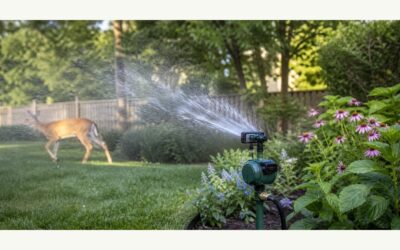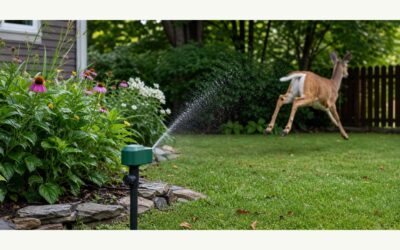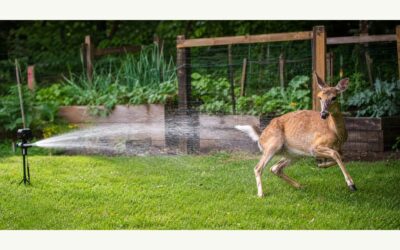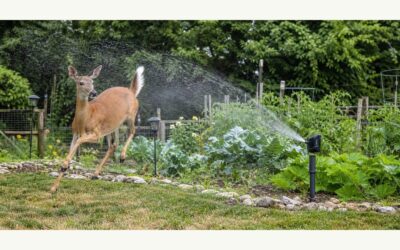


Scegliere tra rete anti-cervo e recinzione da giardino dipende solitamente da come i cervi entrano nel tuo spazio, da cosa vuoi proteggere e da quanta struttura desideri intorno all’area coltivata. La rete può essere una barriera stagionale flessibile, mentre una recinzione è generalmente un perimetro più definito, ma entrambe le soluzioni richiedono un posizionamento accurato e una manutenzione regolare per funzionare come previsto.
Questa guida è pensata per giardinieri principianti, proprietari di casa con aiuole commestibili o bordure ornamentali, giardinieri anziani che desiderano un accesso più semplice e persone che coltivano in spazi ridotti. Per questo aggiornamento abbiamo selezionato quattro prodotti rappresentativi, tra reti anti-cervo flessibili e sistemi strutturali con pali per recinzioni. Per altri argomenti sulle barriere contro la fauna selvatica, consulta la categoria Parassiti del giardino e fauna selvatica.
I prodotti selezionati forniscono esempi pratici, mentre questo articolo spiega anche come valutare una barriera anti-cervo completa prima dell’acquisto. I criteri più importanti sono la pressione degli animali, l’altezza della barriera, l’area da coprire, l’accesso per diserbo e raccolta, la manutenzione, lo stoccaggio, la visibilità e le normative locali che possono influire sul posizionamento della recinzione.
Confronto tra reti anti-cervo e componenti per recinzioni
Questi quattro prodotti rappresentano entrambi gli approcci: due rotoli di rete anti-cervo da 7 piedi e due sistemi con pali in acciaio da 7 piedi. Confrontali come componenti di una barriera completa e verifica l’altezza, la maglia, la distanza tra i pali, il progetto del cancello e i requisiti locali per il tuo giardino.
Feitore 7 x 100 ft Deer Fence Netting for Garden and Fruit Tree Barriers Dalen DX-7 Deer-X Protective Garden Netting, 7 ft x 100 ft Black Mesh for Deer and Critter Barriers VEVOR 7-Foot U-Channel Steel Fence Posts, 10-Pack for Garden and Wire Fencing Support ARIFARO 7-Foot Assemblable Metal Fence Posts, Pack of 10, for Wire Fencing Support Prices and availability can change. We may earn a commission from qualifying purchases.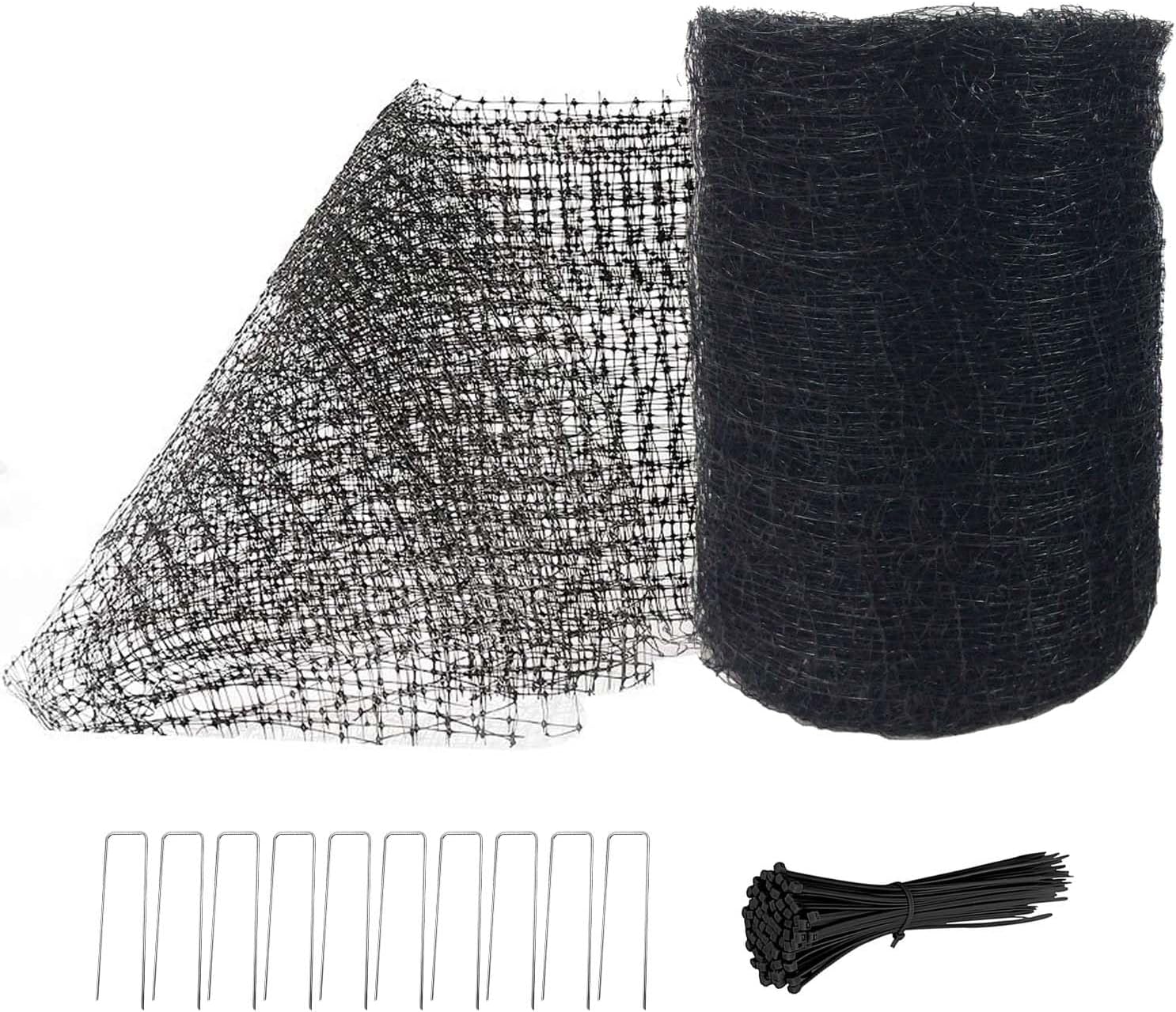


Alcune schede qui sotto sono ancora in inglese; la traduzione è in revisione.
Pros
- Flexible roll format makes it easy to size for different garden layouts.
- Reusable polypropylene material is practical for seasonal setup and storage.
- Basic attachment accessories are included, which can simplify initial installation.
Cons
- Stakes or posts are not included, so you will need separate supports for installation.
- A flexible net barrier may be less suitable for gardeners who want a rigid fence or a very tall enclosure.
- Careful securing is important, since gaps or loose sections can reduce usefulness around openings.
Feitore's garden netting is a flexible barrier roll designed for protecting plants, fruit trees, vegetables, berries, and shrubs from birds and other animals. Based on the listed specifications, it is a practical choice for homeowners and beginner gardeners who need a simple way to cover a bed, wrap an individual plant, or section off part of a yard.
The key feature is the 3/4 inch square mesh, which offers a physical barrier without blocking plant growth. The polypropylene material is described as lightweight, reusable, and resistant to rust and rot, which makes more sense for temporary or seasonal garden use than heavier fencing materials.
The roll measures 7 feet by 100 feet, and the product information also notes that it can be cut to size with scissors. That flexibility should help when working around raised beds, shrubs, narrow side yards, or mixed plantings. The included 10 installation nails and 50 cable ties may help with setup, although stakes or posts are not included.
For backyard use, this netting could work well around tomatoes, strawberries, blueberries, figs, cherries, or arborvitae, as listed by the manufacturer. It may also suit small-space gardeners who want a lightweight barrier that can be adjusted to different shapes rather than a fixed enclosure.
The main limitation is that this is a soft netting product, so it depends on proper support and fastening. Gardeners who need a rigid fence, a tall freestanding barrier, or a heavy-duty animal enclosure may want a different solution, while those looking for a reusable, adaptable garden cover should find this format useful.
Best For / Avoid If
Best for buyers prioritizing
- Flexible roll format makes it easy to size for different garden layouts.
- Reusable polypropylene material is practical for seasonal setup and storage.
- Basic attachment accessories are included, which can simplify initial installation.
Consider another option if
- Stakes or posts are not included, so you will need separate supports for installation.
- A flexible net barrier may be less suitable for gardeners who want a rigid fence or a very tall enclosure.
- Careful securing is important, since gaps or loose sections can reduce usefulness around openings.
Pros
- Humane, non-chemical protection approach for garden borders and planting areas.
- Long 100-foot roll can suit larger projects or multiple sections.
- Weather-resistant polypropylene with UV inhibitors is appropriate for outdoor installation.
- Cut-to-length format adds flexibility for custom garden shapes and sizes.
Cons
- May require additional posts, ties, or other support materials depending on the layout, since those are not specified in the listing.
- 3/4-inch mesh is suited to barrier use, but gardeners needing fine insect exclusion may want a different type of netting.
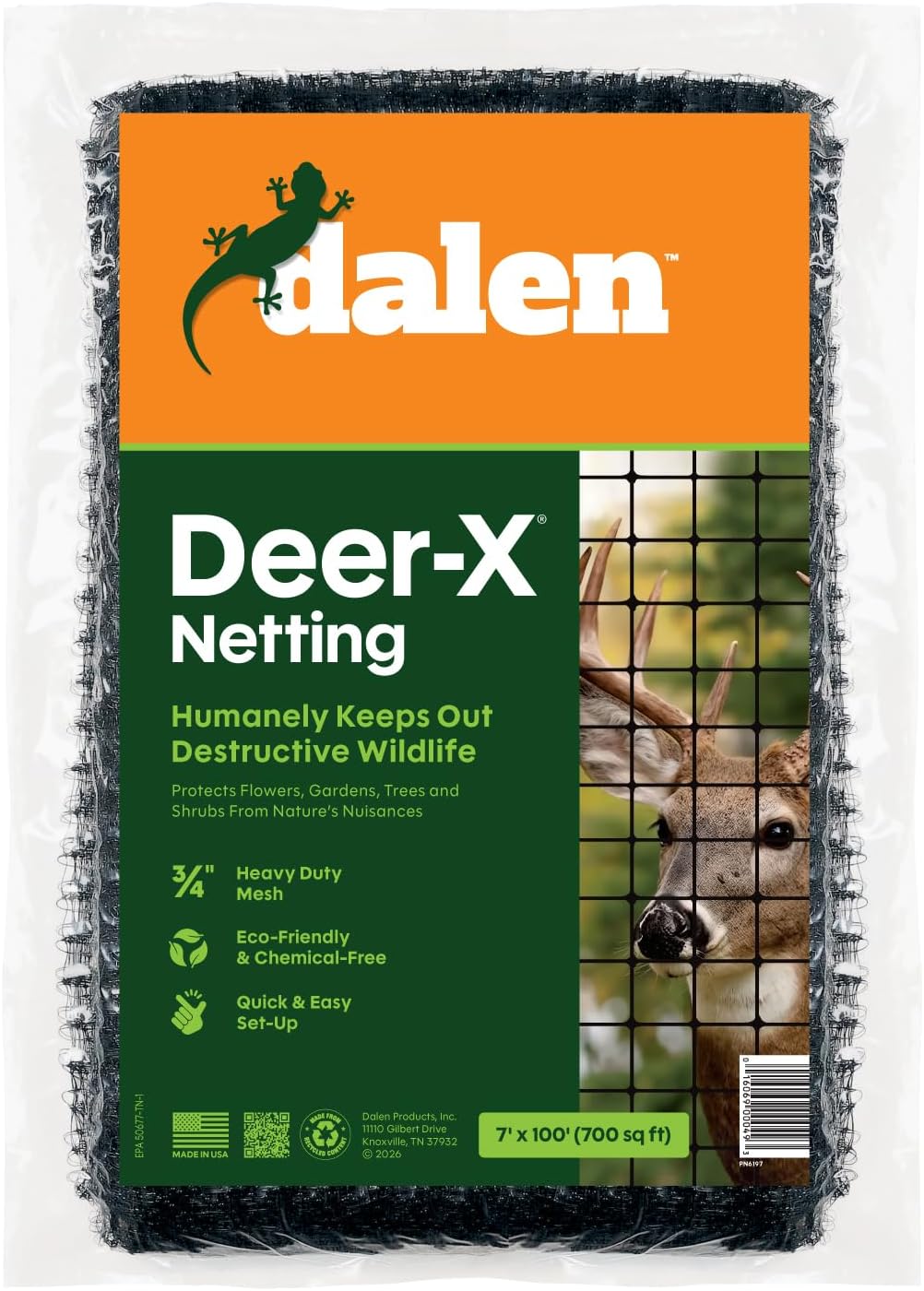
Dalen DX-7 Deer-X Protective Netting is a garden barrier product meant to help shield vegetables, fruits, flowers, and landscape plantings from deer and other unwanted critters. It is a practical fit for homeowners, beginners, and small-space gardeners who want a straightforward, humane way to add protection without building a heavy fence.
Based on the listed specifications, the main strengths are its large 7 ft by 100 ft roll size, 3/4-inch mesh, and polypropylene construction with UV inhibitors. That combination suggests a flexible barrier material that can be adapted to many planting areas while being suited to outdoor conditions.
The netting can be cut to the length needed, which makes it easier to fit along rows, around beds, or across sections of a yard with uneven edges. The black color is also a useful design choice for gardeners who want the barrier to be less visually distracting than lighter-colored netting.
This type of product can make sense for backyard gardens, perimeter protection around raised beds, or larger landscape areas where a lightweight fence-style barrier is preferred. It may also work well for gardeners who want a more temporary or adjustable solution than a permanent fence.
A balanced note is that installation needs can vary by site, and the listing does not specify included anchoring hardware or support accessories. Gardeners who need very fine pest exclusion, or who want a rigid structure, may prefer a different product style. For many common garden barrier uses, though, the feature set suggests a useful and adaptable option.
Best For / Avoid If
Best for buyers prioritizing
- Humane, non-chemical protection approach for garden borders and planting areas.
- Long 100-foot roll can suit larger projects or multiple sections.
- Weather-resistant polypropylene with UV inhibitors is appropriate for outdoor installation.
Consider another option if
- May require additional posts, ties, or other support materials depending on the layout, since those are not specified in the listing.
- 3/4-inch mesh is suited to barrier use, but gardeners needing fine insect exclusion may want a different type of netting.
Pros
- Sturdy steel construction with a U-channel profile for added rigidity.
- Green powder-coated finish is practical for outdoor use and visual blending.
- Included zip ties and clips add convenience for fence attachment.
- Works for a range of outdoor uses, including yards, gardens, orchards, and farms.
Cons
- Installation may be easier with a post driver, especially in firmer soil.
- Some product information and reviewer feedback suggest the anchor plate may require assembly rather than arriving fully welded.
- Those wanting a heavier-duty commercial fence post may prefer a different grade or design.
The VEVOR 7-foot U-channel metal fence post is designed for garden, yard, farm, and outdoor wire fencing projects where a straightforward support stake is needed. It is a practical fit for homeowners, small property owners, and gardeners who want a steel post system for boundary or protection setups.
According to the product information, the posts use 2 mm Q235 carbon steel with a U-shaped channel design and a powder-coated finish. That combination is intended to improve rigidity, bending resistance, and outdoor durability, while the included zip ties and metal clips help fasten fencing material more easily.
The posts are made for hammer or post-driver installation, and the listing notes that the anchor plate should be fully inserted below the ground for best stability. Because the product is 7 feet long and sold as a 10-pack, it can suit longer fence runs or multiple smaller sections around a garden or yard.
In real backyard use, this type of post can work well for vegetable plots, pet boundaries, roadside strips, orchard rows, or other places where a simple wire fence support is needed. The green finish is a useful touch if you want the structure to be less noticeable in planted areas.
A balanced point to note is that some listing details and reviewer feedback suggest the anchor plate may require assembly, so buyers should be prepared for a bit more setup than a fully welded post. Gardeners who want a basic steel support post with included attachment hardware should find it useful, while those needing a heavier-duty commercial fence system may want to compare alternatives before buying.
Best For / Avoid If
Best for buyers prioritizing
- Sturdy steel construction with a U-channel profile for added rigidity.
- Green powder-coated finish is practical for outdoor use and visual blending.
- Included zip ties and clips add convenience for fence attachment.
Consider another option if
- Installation may be easier with a post driver, especially in firmer soil.
- Some product information and reviewer feedback suggest the anchor plate may require assembly rather than arriving fully welded.
- Those wanting a heavier-duty commercial fence post may prefer a different grade or design.
Pros
- Pack of 10 offers flexibility for planning a fence line or replacing several posts at once.
- Two-piece assemblable format may make handling and transport simpler than a single 7-foot post.
- The U-channel shape and metal build are designed for added stiffness in outdoor conditions.
Cons
- Each post requires assembly before installation, so setup takes more steps than a one-piece post.
- The 10-pack format may be more than some small projects need, or not enough for longer runs.
- Best suited to wire fencing and similar utility uses, so gardeners wanting decorative edging may prefer a different style.
Based on the product information, the ARIFARO FP-01 is a metal fence post set made for garden fencing, corner anchors, and gateposts. It is a practical choice for homeowners who want a straightforward support post for wire fencing around beds, yards, or other growing areas.
The main appeal is its 7-foot assembled height and U-shaped metal construction. The listing says the design is meant to resist bending or warping, and the anti-rust coating is described as holding up against daily UV exposure and moisture, which is useful for outdoor fencing that stays in place season after season.
Installation is different from a single-piece post because each one arrives in two sections, a 4-foot piece and a 3-foot piece. The 4-foot section is placed into the ground first, then the upper section is attached with screws. That split design may be easier to ship and handle, but it also means a little more setup time before the fence is ready.
For backyard use, these posts appear suited to wire fencing around vegetable beds, simple animal barriers, or perimeter fencing where a clean, functional support is more important than decoration. The adjustable tab design should help secure rolled fence material, and the pack of 10 gives enough flexibility for small projects or for building a section in stages.
As with any utility fence post, the best results will depend on careful placement and a stable installation. The listing recommends setting the post deeply enough for support, and gardeners in very rocky ground or those looking for a purely decorative fence may want a different option. For practical wire-fence support, though, this set looks like a sensible, low-maintenance choice.
Best For / Avoid If
Best for buyers prioritizing
- Pack of 10 offers flexibility for planning a fence line or replacing several posts at once.
- Two-piece assemblable format may make handling and transport simpler than a single 7-foot post.
- The U-channel shape and metal build are designed for added stiffness in outdoor conditions.
Consider another option if
- Each post requires assembly before installation, so setup takes more steps than a one-piece post.
- The 10-pack format may be more than some small projects need, or not enough for longer runs.
- Best suited to wire fencing and similar utility uses, so gardeners wanting decorative edging may prefer a different style.
Guida all’acquisto: rete anti-cervo o recinzione da giardino
Inizia valutando la presenza dei cervi nel tuo giardino
Prima di scegliere tra rete anti-cervo e recinzione da giardino, osserva con quale frequenza arrivano i cervi e cosa mangiano. Qualche visita occasionale ai fiori può richiedere una barriera stagionale più leggera, mentre alimentazioni ripetute a carico di ortaggi, piante da frutto o arbusti possono rendere utile una recinzione più permanente.
Considera anche da dove si avvicinano i cervi. Un solo lato aperto del giardino può essere più facile da proteggere rispetto a uno spazio con diversi punti di ingresso. Più sono le vie di accesso, più diventa importante progettare una barriera continua e priva di varchi evidenti.
Comprendi la differenza fondamentale tra rete e recinzione
La rete anti-cervo viene generalmente utilizzata come barriera fisica leggera intorno ad aiuole, arbusti o file di coltivazione. Può essere più facile da spostare o rimuovere alla fine della stagione, una caratteristica utile per chi vive in affitto, per chi coltiva in spazi ridotti e per chi modifica spesso la disposizione del giardino.
Una recinzione da giardino crea solitamente un confine più rigido. Può essere più adatta a un orto dedicato, al margine di un frutteto o a un’area coltivata permanente, ma può richiedere maggiore progettazione per pali, cancelli, spazio libero per tagliare l’erba e manutenzione a lungo termine.
| Scelta | Spesso adatta a | Compromesso da considerare |
|---|---|---|
| Rete anti-cervo | Aiuole stagionali, protezione temporanea, piccole aree, disposizioni flessibili | Può richiedere controlli frequenti per cedimenti, varchi o aggrovigliamenti |
| Recinzione da giardino | Orti permanenti, presenza ripetuta di cervi, aree protette più ampie | Richiede maggiore progettazione per accesso, struttura e posizionamento |
Misura l’area prima di confrontare le opzioni
Misurare con precisione evita uno degli errori più comuni: acquistare una quantità insufficiente di materiale per la barriera. Misura l’intero perimetro dell’aiuola o del giardino, quindi considera angoli, sovrapposizioni, cancelli, sentieri e qualsiasi lunghezza aggiuntiva necessaria per fissare le estremità.
Per piccole aiuole rialzate o gruppi di contenitori, può essere più semplice proteggere singole zone di coltivazione invece dell’intero giardino. Per un orto più grande, una recinzione perimetrale può essere più pratica rispetto ad avvolgere separatamente ogni fila di piante.
Progetta l’accesso, non solo la protezione
Una barriera che tiene fuori i cervi ma rende difficile la raccolta può diventare rapidamente frustrante. Pianifica da dove entrerai, quanto deve essere larga l’apertura e se puoi trasportare comodamente attrezzi, cesti, compost o un tubo dell’acqua attraverso il punto di accesso.
I giardinieri anziani e chi preferisce un’attività con poco sforzo fisico dovrebbe evitare soluzioni che richiedono di scavalcare la rete o di chinarsi ripetutamente per sganciare barriere basse. Un semplice cancello, un pannello rimovibile o un’apertura chiaramente segnalata possono rendere il sistema più facile da usare.
Controlla gli spazi vuoti alla base, negli angoli e nei cancelli
Le barriere anti-cervo sono efficaci solo quanto lo sono i loro punti di apertura più deboli. Quando confronti le opzioni tra rete anti-cervo e recinzione da giardino, pensa a come verrà fissato il bordo inferiore e a come saranno assicurati gli angoli, così da evitare che la barriera si allenti.
Anche i cancelli e le aperture temporanee richiedono attenzione. Una recinzione ben costruita con un cancello allentato o una sezione di rete non legata può favorire il passaggio dei cervi, soprattutto quando appena dentro il giardino è visibile una nuova crescita tenera.
Considera visibilità, impollinatori, animali domestici e uso quotidiano del giardino
Alcuni giardinieri preferiscono una barriera che si integri nel paesaggio, mentre altri desiderano un bordo della recinzione ben visibile per tagliare l’erba, camminare o muoversi in giardino di notte. La visibilità può essere importante anche vicino a sentieri, aree gioco e patii, dove le persone potrebbero non aspettarsi una barriera bassa o flessibile.
Se le piante necessitano di impollinazione, evita di bloccare l’accesso degli impollinatori durante la fioritura, a meno che la barriera non sia progettata per consentire il passaggio degli insetti. Se bambini o animali domestici usano il giardino, segui le istruzioni di sicurezza del produttore per qualsiasi prodotto barriera e verifica le normative locali quando installi una recinzione permanente.
Pensa alla manutenzione durante la stagione
Sia la rete sia la recinzione richiedono controlli periodici. Dopo temporali, falciatura, potatura o una crescita abbondante delle piante, verifica la presenza di bordi allentati, sostegni inclinati, sezioni cedevoli e punti in cui rampicanti o rami hanno spostato la barriera.
La manutenzione è particolarmente importante negli orti, dove le piante a crescita rapida possono spingere contro la barriera. Mantieni i sentieri abbastanza liberi da poter controllare il perimetro senza entrare nelle aiuole o danneggiare le piante.
Stoccaggio e rimozione stagionale
Se ti serve protezione solo durante la primavera e l’estate, pensa a come conserverai la barriera. Prima di riporla, elimina foglie e residui vegetali dalla rete per facilitarne il riutilizzo e ridurre il rischio che si aggrovigli.
Anche una recinzione permanente beneficia di controlli stagionali. Cerca sezioni inclinate, punti di accesso ostruiti e aree danneggiate dal maltempo, dagli attrezzi da giardino o dalle normali attività di manutenzione dello spazio esterno. Pochi minuti di controllo possono evitare riparazioni più grandi in seguito.
Metodologia di ricerca e affidabilità
Per questo aggiornamento di luglio 2026, abbiamo esaminato i dati dei prodotti forniti per verificarne la rilevanza rispetto alla rete anti-cervo, alla recinzione da giardino e alla categoria Parassiti del giardino e fauna selvatica. Non sono state fornite schede prodotto valide, quindi non sono state create recensioni, classifiche o raccomandazioni relative a singoli prodotti.
Il nostro processo di revisione basato sulla ricerca confronta normalmente le specifiche elencate, l’attività di giardinaggio prevista, la copertura, il metodo di installazione, la progettazione degli accessi, le esigenze di manutenzione e i commenti dei proprietari quando questi dettagli sono disponibili. Poiché nei dati di origine non erano presenti prodotti, questa guida spiega come valutare le opzioni senza formulare affermazioni non supportate su articoli specifici.
Non si tratta di un test pratico eseguito fisicamente. I consigli si basano su criteri pratici per la scelta di barriere contro cervi e fauna selvatica del giardino, con attenzione all’uso rispettoso degli animali, al posizionamento sicuro, al giardinaggio in piccoli spazi e all’accessibilità per la manutenzione quotidiana.
Raccomandazioni finali
Non è possibile indicare una scelta migliore in assoluto, una scelta per principianti, una scelta per piccoli spazi o una scelta robusta, perché i dati dei prodotti forniti non includevano prodotti validi tra reti anti-cervo o recinzioni da giardino. Invece di inventare raccomandazioni, consigliamo di utilizzare i criteri di acquisto descritti sopra per confrontare prodotti reali prima dell’acquisto.
In generale, scegli una rete anti-cervo quando ti serve una barriera stagionale flessibile intorno a piccole aiuole o gruppi di piante. Scegli una recinzione da giardino quando desideri un perimetro più permanente, un accesso pianificato più semplice e un’area di coltivazione protetta ben definita.
Domande frequenti
È meglio una rete anti-cervo o una recinzione da giardino per un orto?
Dipende dalla disposizione dell’orto e dalla frequenza con cui arrivano i cervi. La rete può funzionare bene per aiuole temporanee o di piccole dimensioni, mentre una recinzione da giardino è generalmente più facile da gestire intorno a un orto permanente con raccolte regolari.
Come dimensionare la rete anti-cervo o la recinzione da giardino per il mio spazio?
Misura l’intero perimetro che vuoi proteggere, quindi aggiungi una lunghezza extra per angoli, sovrapposizioni, aree del cancello e punti di fissaggio. Se proteggi singole aiuole, misura ogni aiuola separatamente per non sottovalutare la copertura totale necessaria.
Qual è l’errore più grave quando si installa una barriera anti-cervo?
L’errore più comune è lasciare punti deboli alla base, negli angoli o nei punti di ingresso. La barriera dovrebbe essere continua e facile da chiudere in modo sicuro dopo ogni visita al giardino.
La rete anti-cervo è una buona scelta per i piccoli giardini?
La rete anti-cervo può essere adatta ai piccoli giardini perché è spesso flessibile e stagionale. Assicurati che non impedisca l’accesso quotidiano, non si aggrovigli intorno alle piante e non crei un rischio di inciampo vicino a sentieri e patii.
Quanta manutenzione richiede una recinzione da giardino?
Una recinzione da giardino dovrebbe essere controllata regolarmente per verificare la presenza di sezioni inclinate, collegamenti allentati, cancelli aperti e danni causati dal maltempo o dai lavori in giardino. I controlli stagionali sono particolarmente utili prima che la nuova crescita tenera attiri i cervi.
La scelta tra rete anti-cervo e recinzione da giardino può influire sugli impollinatori?
Qualsiasi barriera può influire sull’accesso se copre i fiori troppo strettamente o blocca il movimento degli insetti. Quando le piante necessitano di impollinazione, scegli una disposizione che protegga dai cervi consentendo comunque agli impollinatori di raggiungere i fiori quando necessario.
Continua la tua ricerca sul giardinaggio
Scopri altre guide pratiche in Parassiti e fauna del giardino.
Scopri come Dove Creek Gardens ricerca e confronta i prodotti.