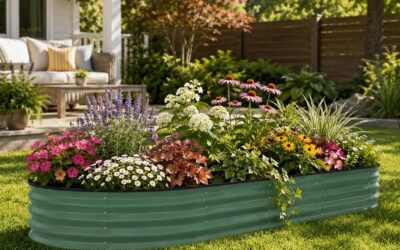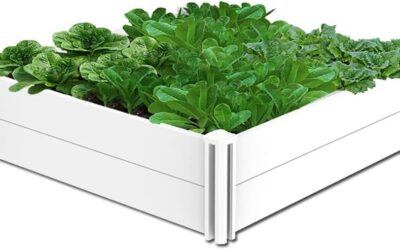


Klettergemüse wie Gurken, Erbsen, Bohnen und kleine Kürbissorten brauchen eine Rankhilfe, und ein Hochbeet verfügt nicht immer über eine integrierte Unterstützung. Das beste Rankgitter für Hochbeete zu wählen, bedeutet, Form, Höhe und Befestigungsart des Rankgitters an die Größe des Beets, die Pflanzen und den verfügbaren Platz rund um den Garten anzupassen. Dieser Ratgeber richtet sich an Gartenanfänger, die ihr erstes Hochbeet anlegen, an Hausbesitzer mit einem etablierten Garten, an ältere Gärtner, die ein einfach zu montierendes und gut erreichbares Rankgitter wünschen, sowie an alle, die nur einen kleinen Balkon-, Terrassen- oder Gartenbereich zur Verfügung haben.
Für diesen Ratgeber haben wir 15 Rankgitter in einer Preisspanne von $15.19 – $139.99 von Marken wie DoCred, OTOSUNNY, MQHUAYU and more verglichen. Jede Produktbeschreibung wurde daraufhin geprüft, welche Form der Unterstützung sie bietet (A-Rahmen, U-Form oder Bogen), welche Materialien verwendet werden, wie das Rankgitter an oder in der Nähe eines Hochbeets befestigt wird und was Besitzer über den Aufbau sowie die langfristige Stabilität berichten. Statt alle Rankgitter gleich zu behandeln, haben wir sie nach den Aufgaben geordnet, für die sie tatsächlich entwickelt wurden, denn ein kompaktes A-Rahmen-Rankgitter für Erbsen ist eine ganz andere Anschaffung als ein hoher Bogen, der einen Weg überspannen soll.
Wenn Sie vor dem Anbringen einer vertikalen Rankhilfe noch über das Hochbeet selbst entscheiden, finden Sie auf unserer Kategorie-Seite Hochbeete & Pflanzgefäße Informationen zu Beetgrößen und Materialoptionen, die beeinflussen, wie ein Rankgitter passt und verankert werden kann.
AIMUCT Cucumber Trellis Metal Garden Arch for Vertical Raised-Bed Growing DoCred GE-A 39.4-Inch A-Frame Cucumber Trellis for Raised Beds and Compact Vine Support Anleolife 4x6ft Metal Garden Arch Trellis for Raised Beds and Climbing Vegetables MQHUAYU G03HY024 U-Shape Cucumber Trellis for Raised Bed Vine Support Prices and availability can change. We may earn a commission from qualifying purchases.


Pros
- Generous height and walk-through shape make harvesting easier for many gardeners.
- Suitable for raised-bed layouts, backyard vegetable rows, and decorative vine support.
- Listed metal construction and ground stakes provide a more substantial structure than lightweight string-only supports.
- Vertical growing can help lift vining crops off the soil and make better use of limited garden space.
Cons
- Assembly is required and the product information suggests allowing about 45 minutes with one or two people.
- At 86 inches tall and 71 inches long, it may be too large for very compact patios or low-clearance spaces.
- Gardeners growing especially heavy fruits may need to monitor vine load and add extra support as plants mature.
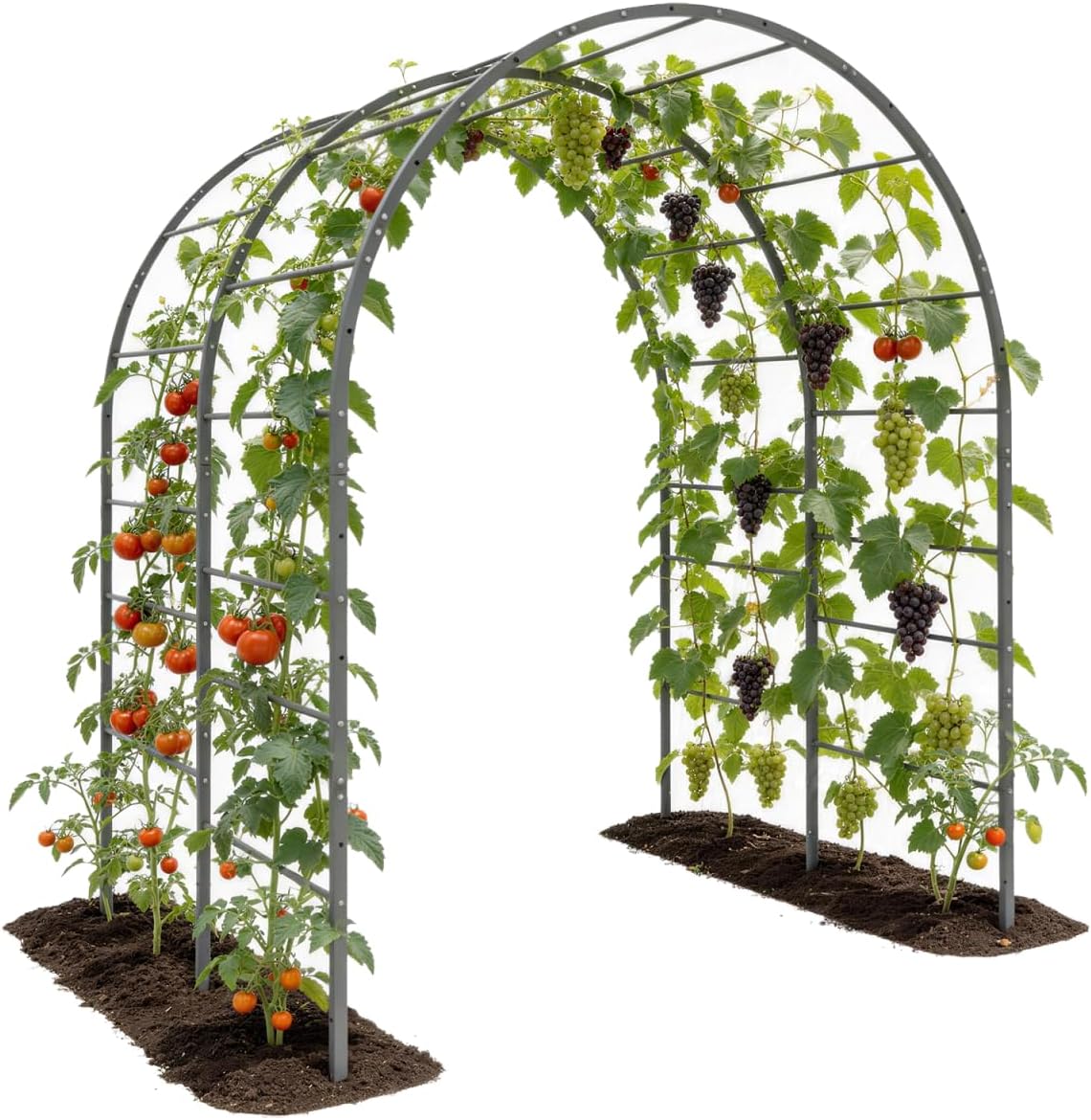
The AIMUCT Cucumber Trellis is a metal garden arch designed for vertical growing in vegetable beds, raised beds, and backyard planting areas. Its house-style arch creates a walk-through space rather than a flat panel, making it a practical option for gardeners who want to train cucumbers, pole beans, peas, squash, melons, tomatoes, or flowering vines upward instead of letting them sprawl across the soil.
The main gardening benefit is efficient use of vertical space. The product information indicates that plants can be grown on both sides of the arch while still allowing access through the middle. For crops like cucumbers and beans, this style of support can make harvesting easier because fruit and pods are lifted into view and vines are less tangled on the ground.
Based on the listed specifications, the trellis measures 86 inches high, 52 inches wide, and 71 inches long. It uses iron and stainless steel materials with a painted baked finish, and the frame has a triangular reinforced design with screw connections and deep-insert ground stakes. Assembly is required, and the manufacturer notes that one or two people may be needed, with an estimated setup time of about 45 minutes.
This size and shape should work well where a gardener wants to connect two raised beds, create a tunnel over a planting row, or add a decorative arch for flowering vines. Reviewers commonly mention using it for cucumbers, pole beans, squash, melons, and tomatoes, and several say the height makes it easy to walk underneath. The black frame also gives it a more finished look than many purely utilitarian garden supports.
There are a few practical considerations before buying. The trellis is tall and fairly long, so it needs enough open space and a level area for safe placement. Because it is assembled from multiple pieces, checking screws and anchoring points during the season is a sensible maintenance step, especially after storms or as vines become heavier. Gardeners growing large melons or heavy squash should also consider whether individual fruits may need additional sling support.
Overall, this AIMUCT metal garden arch is a strong fit for home gardeners who want a tall, reusable-looking support for vertical crops in raised beds or backyard rows. Gardeners with very small patios, limited overhead clearance, or only a few container plants may prefer a shorter panel trellis, but those building a productive climbing-crop area will likely appreciate the height, walk-through access, and broad plant compatibility.
Pros
- Compact 39.37-inch height works well in raised beds, patios, and smaller garden plots.
- Two-pack format offers more layout flexibility than a single trellis panel.
- A-frame layout supports climbing plants from both sides and can help keep vines more organized.
- PVC-coated steel material is a practical choice for outdoor plant support based on the listed specifications.
Cons
- The 39.4-inch height may be less suitable for very tall or especially vigorous climbing vines.
- Each individual panel is only 15.75 inches wide, so larger plantings may need multiple sets or supplemental support.
- Heavier fruiting vines could require attentive placement or additional tying depending on plant load and garden conditions.
The DoCred GE-A Cucumber Trellis is a 2-pack A-frame plant support intended for climbing vegetables and vines in home gardens. Based on the listed product information, it is designed for cucumbers, peas, beans, squash, zucchini, and flowering vines, making it most useful for gardeners who want to move crops upward instead of letting vines sprawl across the soil.
The main practical benefit is the A-frame shape. Plants can climb from both sides of the trellis, which helps make better use of limited bed space and can keep vines more organized in a raised bed or small garden row. The product description also notes that this shape promotes airflow and sunlight exposure for climbing plants, both of which are helpful considerations when growing dense vine crops.
Each trellis measures 15.75 inches wide by 39.37 inches high, and the two pieces together can create a support area about 31.5 inches wide. The frame is listed as steel with a PVC coating and a green finish, so it is meant to provide plant support while blending into garden foliage. The no-tool setup is a beginner-friendly detail, especially for gardeners who prefer simple seasonal equipment.
This trellis is a good match for raised beds, patio vegetable planters, and in-ground beds where space is limited. It may also suit gardeners who rotate crops seasonally, since the foldable design makes storage easier after dismantling. The compact size is especially appealing where a tall arch or permanent trellis would feel too large.
There are a few limitations to consider. At about 39.4 inches high, it is not a tall trellis, so gardeners growing very vigorous vines or long-season climbing plants may prefer a larger support. Heavier fruiting plants may also need careful training or extra tying as they develop. For small to medium vine crops in compact spaces, however, the DoCred GE-A offers a straightforward, space-saving support option with simple setup and off-season storage.
Pros
- Supports both raised-bed mounting and direct soil installation.
- Metal construction with square uprights and cross rods is suited to repeated garden use when properly installed.
- Arch design works well for cucumbers, beans, gourds, squash, and other climbing or trailing crops listed for the product.
- Modular layout can be expanded with additional kits for longer tunnels or walkway arches.
Cons
- At 60 inches wide by 73.3 inches high, gardeners should measure bed width, path clearance, and reach before ordering.
- Assembly and secure installation are required, which may take more effort than a simple stake or net trellis.
- Very heavy or dense vines may still need periodic tying, pruning, or additional guidance as they grow.
The Anleolife 4x6ft Garden Arch Trellis is designed for training climbing vegetables and vines upward instead of letting them sprawl across beds or paths. Based on the listed product information, it is aimed at raised-bed gardeners, backyard growers, and small-space gardeners who want a productive arch for cucumbers, beans, gourds, squash, and similar vining crops.
The key benefit is layout flexibility. The trellis can be mounted to a raised bed using the included long M6 hardware, washers, and wing nuts, or placed directly into soil. That makes it useful whether you want an arch over one bed, a walkway between two beds, or a more decorative garden entry that also supports edible plants.
The listed structure uses square steel uprights with 13 mm cross rods, creating a more rigid frame than a rope-only support system. The long legs are intended for deeper soil insertion when needed, which can help improve stability in windy areas or when vines put more weight on the arch. The included jute ropes provide additional guidance points for young climbing plants.
With listed dimensions of 60 inches wide by 73.3 inches high, this arch should be checked against your bed spacing, walking path, and comfortable harvest height before installation. A single kit creates an approximately 4 ft section with two arches, while additional kits can be used to extend the setup into a longer tunnel or walkway feature.
Gardeners should plan for assembly, firm anchoring, and seasonal plant maintenance. As vines grow, they may need tying, training, or pruning to keep weight distributed and to maintain an open walking space under the arch. For safety and stability, it is worth checking hardware and soil placement periodically, especially after strong wind or heavy plant growth.
This trellis is a good match for gardeners who want a durable-looking metal arch with both raised-bed and in-ground installation options. Gardeners who only need a quick temporary support for a few light vines, or who have very narrow paths, may prefer a smaller stake, panel, or compact trellis instead.
Pros
- Good fit for raised beds where vertical growing can help keep vines more organized.
- Comes with several useful plant-training accessories rather than just the frame.
- Plastic-coated finish may help protect the metal core and reduce direct heat contact with plants.
- Light enough to move into position, based on the listed item weight of 1.97 kilograms.
Cons
- Assembly is required, and some reviewers mention the connectors can take effort or may pop apart if not seated firmly.
- May be less suitable for heavy, sprawling crops unless plants are well managed and the frame is reinforced as needed.
- Gardeners needing a permanent or heavy-duty trellis may prefer a larger, more rigid support system.
The MQHUAYU G03HY024 is a U-shape cucumber trellis made for raised beds and outdoor climbing plants. It is intended to help vines grow upward instead of sprawling across the soil, which can be especially useful for homeowners working with compact garden beds, patio beds, or small backyard vegetable plots.
The main gardening benefit is space management. The arch-style U-frame allows planting along both sides, so cucumbers, beans, peas, and similar climbing crops can be trained up the netting while leaving more open bed surface for watering, weeding, and harvesting. The manufacturer also lists tomatoes, flowers, pumpkins, melons, and other liana crops as compatible uses, though heavier plants may need more careful support.
Based on the listed specifications, this medium green trellis measures 47.2 inches long by 21.6 inches wide by 47.2 inches high. It uses a stainless steel core with a plastic coating, which the product information says is meant to reduce oxidation by limiting air exposure and to help protect plants from direct contact with bare metal. The package includes one trellis, trellis netting, 20 garden clips, 100 leaf ties, one twist tie, and a manual.
Assembly is required, and the trellis uses upgraded cross-shaped connectors rather than metal clasp connectors. The product information indicates that it can be assembled, disassembled, and adjusted for preferred height and length. Reviewers commonly mention that it fits raised beds well and is lightweight to move, while a few note that pushing the pieces together can require strength and that loose connections may need extra attention.
For everyday backyard use, this trellis makes the most sense for gardeners who want a simple vertical support for cucumbers, pole beans, peas, or other lighter vines. It can help keep a vegetable bed looking tidier and may make plant training easier because clips, ties, and netting are included. Beginners should install it before vines become tangled and check connections periodically as plant weight increases.
Overall, the MQHUAYU G03HY024 is a practical raised-bed trellis for gardeners who want an affordable, accessory-included support structure for common climbing crops. Choose it for seasonal vine training and small-space organization, but consider a heavier-duty frame if you plan to support large tomato plants, mature squash, or other crops that can place significant weight on a trellis.

Pros
- Sized well for many raised beds, larger planters, and traditional vegetable gardens
- All-in-one kit includes netting, twist tie, and cable ties for securing plants and the support structure
- Reviewers commonly mention that assembly is easy once the pieces are connected properly
- Metal and plastic construction keeps the unit relatively lightweight for moving or repositioning before planting
Cons
- Assembly is required, and the frame may feel less rigid until all pieces are fully snapped together
- Gardeners growing very heavy vines or large fruiting crops may need to monitor support and add extra securing as plants mature
- The included netting may require careful handling and seasonal inspection for wear
The Growia Arch4848 is a U-shape vegetable trellis made for gardeners who want to train climbing crops upward instead of letting vines sprawl across the bed. Based on the listed specifications, it measures 48 inches wide by 48 inches high and is intended for cucumbers, peas, beans, tomatoes, squash, zucchini, melons, pumpkins, and similar vining plants.
For raised-bed gardeners and small-space growers, the main advantage is vertical growing support. A trellis like this can help keep vines more organized, make better use of bed space, and give tendrils or tied stems a structure to climb. The product information indicates that the kit includes heavy-duty netting, a 20 meter plant twist tie roll, and 50 cable ties, which is helpful if you are setting up a vegetable support system from scratch.
The frame uses powder-coated metal rods with plastic connection parts, and the listed rod thickness is 11 mm. The powder-coated finish is described as rust-resistant, which is useful for a product expected to stay outdoors through watering and changing weather. Assembly is required, but the product information notes easy-connect joints and step-by-step instructions, and reviewers commonly mention that setup is straightforward once the frame is fully connected.
This trellis is a practical fit for a raised garden bed, a traditional in-ground vegetable row, or a large container where the base can be set securely. It may be especially useful at the end of a raised bed where cucumbers or pole beans can climb without shading lower plants as much as a sprawling vine might. Its 48 inch height is approachable for many homeowners and older gardeners who prefer not to manage very tall, overhead trellis systems.
There are a few realistic limits to consider. Because the unit is lightweight and requires assembly, it should be seated firmly and checked as plants gain weight or after strong weather. Gardeners growing large-fruited melons, pumpkins, or very vigorous vines may want to provide additional tying, pruning, or support as needed. The netting should also be inspected periodically, especially if it is left outdoors for extended periods.
Overall, the Growia Arch4848 is best suited to gardeners who want an easy-to-assemble, compact trellis kit for common climbing vegetables in raised beds or small gardens. If you need a taller structure, a permanent heavy-duty installation, or support for exceptionally large fruiting vines, a more substantial trellis system may be worth considering.

Pros
- Generous height and width for vertical gardening and walk-through harvesting.
- Metal bolt assembly and powder-coated frame are practical features for a more stable outdoor trellis.
- Works with a broad range of climbing vegetables, fruiting vines, and ornamental flowers listed in the product information.
- Ground stakes are included, which is helpful for anchoring the structure in garden soil.
- Several reviewers report good seller support when parts or product issues occurred.
Cons
- Assembly is required and the listed setup time is about 45 to 60 minutes, so it is not a quick pop-up trellis.
- The large frame may be awkward for one person to move or position once assembled.
- Gardeners in very windy sites may still want to check anchoring carefully and add extra support if local conditions require it.
The BAXAM BAGT-6 is a large arched garden trellis made for climbing vegetables, fruiting vines, and flowering plants. Based on the listed specifications, it is intended for gardeners who want to grow upward in raised beds, along garden paths, or in backyard plots where sprawling vines take up too much ground space.
Its main gardening advantage is vertical support. Training cucumbers, beans, peas, squash, melons, grapes, or climbing roses onto the arch can help organize growth, improve access for picking, and keep developing fruits off the soil. The product information also lists a heavy-duty capacity for larger crops such as pumpkins, melons, gourds, and mature flowering vines.
The frame is listed at 71 in. L by 70 in. W by 82 in. H, with a semicircular shape and black powder-coated metal construction. It uses metal bolts at the connections and includes a 27-strand nylon net for vine support. Detachable deep-soil stakes are included to help secure the arch in the ground, and the manufacturer notes that setup generally takes about 45 to 60 minutes.
For small-space gardeners, the arch format is useful because it moves plant growth upward instead of letting vines spread across paths or bed edges. It can also create a tidy entry over a garden walkway or a productive tunnel between raised beds. Home gardeners growing cucumbers, pole beans, peas, squash, or ornamental climbers may find the wide arch especially helpful for creating a defined growing area.
There are a few practical considerations before buying. This is a large item that requires assembly, and two people may make setup and positioning easier. Although the product includes stakes, gardeners in exposed or windy locations should inspect the anchoring and avoid overloading one side of the frame. Seasonal checks of bolts, netting, and ground stakes are a sensible maintenance step.
Overall, the BAGT-6 is best suited to gardeners who want a full-size, bolt-together arch trellis for raised beds or backyard vegetable growing. Those who need a very compact patio trellis, a no-assembly support, or a lightweight seasonal frame may prefer a smaller option.

Pros
- Arrives ready to use with no required assembly.
- PVC-coated steel frame is designed for outdoor weather exposure.
- A-frame layout is stable and space-conscious for raised beds and containers.
- Reviewers commonly mention that it is easy to set up and a good size for small gardens.
Cons
- Gardeners growing taller or very vigorous vines may prefer a higher trellis than the listed 39.37 inch height.
- The compact width may require multiple trellises for larger cucumber, melon, or squash plantings.
- One reviewer noted that the spiral hinge pieces can move out of place, although they could be adjusted back.
The Generic ty03 A-frame cucumber trellis is a 2-pack climbing plant support designed for vegetables and flowering vines in raised beds, containers, and backyard garden rows. Based on the listed specifications, it is intended for crops such as cucumbers, peas, tomatoes, squash, melon, pumpkins, and flowering vines, with the most natural fit being smaller climbing crops that benefit from vertical support.
The main garden value is simple vertical growing. The A-frame design gives plants two angled surfaces to climb, while the open grid structure keeps foliage off the ground and allows more air movement around the leaves. For beginners, this can make vines easier to see, guide, water around, and harvest from compared with letting plants sprawl across a bed.
Each trellis panel is listed at about 15.75 inches wide by 39.37 inches high, with PVC-coated steel construction and a green, classic rectangular style. The product information states that no assembly is required, so setup should be limited to unfolding and positioning the trellis where the plants can reach it. If two packages are placed together, the combined width is listed as 31.5 inches.
This size makes the trellis especially relevant for raised beds, container gardens, patio vegetable setups, and compact backyard plots where wide sprawling vines can take over quickly. Reviewers commonly mention that it is easy to place, comes preassembled, and fits raised beds or container gardens well. Several also describe it as solid or stable, although those comments should be read as user feedback rather than verified testing.
There are a few practical limits to consider. At under 40 inches tall, it may not be the best choice for gardeners who want a tall arch, overhead cucumber tunnel, or heavy-duty support for very large, vigorous vines. Heavier fruiting crops may need careful training and, depending on plant load and wind exposure, additional garden ties or anchoring may be useful. As with any coated metal garden support, inspect the coating over time and avoid forcing the frame in ways that could bend joints or scrape the finish.
Overall, this is a sensible choice for gardeners who want a compact, ready-to-use trellis for cucumbers, peas, beans, or similar climbing plants in small spaces. Gardeners managing large beds, long rows, or especially tall vining crops may want a larger or taller support system, but for quick raised-bed organization with minimal setup, the listed design is practical and beginner friendly.

Pros
- Good match for compatible Vego raised beds with 6.5 ft layouts.
- Tall, rectangular frame is useful for indeterminate tomatoes and other climbing vegetables.
- Multiple stringing options give gardeners flexibility in how they train plants.
- Compostable jute twine simplifies end-of-season cleanup.
- Metal and stainless steel components offer a more permanent frame than many temporary stake systems.
Cons
- Garden bed is not included, and the trellis is mainly designed around specific raised bed configurations.
- Assembly is required, and attaching the frame may be easier with a helper because of the height and width.
- Gardeners using non-Vego beds may need additional hardware or adjustments if hole spacing and brackets do not line up.
The Vego Garden VTT65 is a 6.5 ft metal frame string trellis made for vertical vegetable growing in raised beds. It is intended for climbing and vining crops such as tomatoes, cucumbers, beans, and vines, and the product information specifically notes that the garden bed is not included. It is a practical option for gardeners who already use compatible Vego Garden beds or who are comfortable checking fit before installing it on another bed.
The main gardening benefit is structured vertical support. Instead of relying only on individual stakes or cages, this frame lets you train plants upward with twine, netting, a Florida weave, or single-string support. That can help keep growth more organized in a raised bed and may make pruning, tying, airflow management, and harvesting easier for gardeners who want a cleaner vegetable bed layout.
Based on the listed specifications, the trellis measures 78 inches wide by 73 inches high and weighs 14.59 pounds. The frame uses a powder-coated metal construction, with the product description noting a steel substrate coated in zinc, aluminum, and magnesium, plus 304 stainless steel rings. The included jute twine is listed as 4 mm thick and fully compostable, which is useful for gardeners who prefer to remove and replace plant support string at the end of the growing season.
Compatibility is an important detail. The product is described as fitting Vego Garden 6 in 1 beds in a 2.0 ft by 6.5 ft setup and 9 in 1 beds in a 3.5 ft by 6.5 ft setup. In a backyard vegetable garden, it suits rows of tomatoes, cucumbers along the back of a bed, pole beans, or small-space patio growing where vertical support helps make better use of the footprint. Some reviewers also report adapting it to other beds, but those comments should be treated as user experiences rather than guaranteed fit.
There are a few realistic limitations to consider before buying. Assembly is required, and because the frame is tall and wide, installation may be easier and safer with a second person. Gardeners using beds from another brand should measure carefully and expect that brackets, hole spacing, or bolt length may not match without modification. The closed rings also mean stringing can take patience, especially if you are creating a full grid rather than using a single-string method.
Overall, this trellis is best for raised-bed growers who want a durable-looking metal support frame for vigorous vegetable crops and who are willing to spend a little time setting up the twine pattern that fits their plants. Gardeners who want a freestanding trellis, a no-assembly option, or a guaranteed fit for a non-Vego bed may want to consider a different support system.

Pros
- A-frame design is well suited to cucumbers, peas, beans, and ornamental climbing vines.
- Plastic-coated steel construction gives the trellis a more durable feel than lightweight string-only supports.
- Disassembles for storage, which is helpful for gardeners who clear beds at the end of the season.
- Reviewers commonly mention straightforward assembly and useful support for climbing vegetables.
Cons
- Assembly is required, and the set comes in multiple pieces, so gardeners wanting a one-piece trellis may prefer another option.
- At about 49.4 inches high, it may be less suitable for very tall or especially vigorous vines without additional support.
- In exposed or windy areas, gardeners may want to consider extra anchoring, as one reviewer reported adding posts and zip ties for more confidence.
The Trellume TL-PTJ-030-TR is an A-frame garden trellis designed for climbing plants such as cucumbers, peas, sweet peas, morning glories, clematis, and climbing roses. It is a practical fit for home vegetable beds, raised beds, and small backyard plots where gardeners want to grow upward instead of letting vines spread across the soil.
The main benefit of this style is better use of vertical space. By giving vines a frame to climb, the trellis can help keep fruit and foliage more accessible for harvesting and routine garden care. The open A-frame shape also leaves room to reach through or around the plant canopy, which reviewers commonly note is helpful for picking cucumbers and keeping beds organized.
Based on the listed specifications, the frame measures 49.4 inches wide by 49.4 inches high and uses steel pipes with a plastic-coated finish over galvanized steel. The manufacturer describes this as a dual-layer rust-resistant construction. Cross-shaped connectors are used at the joints, and the triangular A-frame stance is intended to provide stability while supporting upward plant growth.
Assembly is required, but the product information indicates setup takes about 10 to 15 minutes with the included instructions. The trellis can also be taken apart for storage after the growing season, which is useful for gardeners who rotate crops, clean out raised beds, or need to store supports in a shed or garage during winter.
For real garden use, this trellis makes the most sense for cucumbers, peas, beans, and flowering vines in a sunny bed where a mid-height support is enough. It may also work well along the center of a raised bed, with vines planted on one or both sides. Gardeners growing very tall or heavy vines should check whether the height and frame size match their crop plans before buying.
The balanced takeaway is that this is a convenient, space-saving trellis for common climbing vegetables and ornamental vines, especially for gardeners who value easy assembly and seasonal storage. In windy, exposed locations, extra anchoring may be wise, and those needing a permanent heavy-duty structure may want a larger or more rigid support system.

Pros
- Adjustable height is useful for crops at different growth stages.
- Two-pack format can support more than one bed, row, or planting area.
- Dense grid makes it easier to guide cucumbers, peas, beans, and similar climbing plants.
- Reviewers commonly mention easy assembly and a sturdy feel, though experiences are not uniform.
- Flat storage design is practical for seasonal gardeners with limited shed or garage space.
Cons
- Required assembly means it is not a ready-to-place trellis straight out of the box.
- At 50 inches tall, it may be less suitable for very tall vines that need a higher support.
- One reviewer reported bending and instability, so gardeners with especially heavy crops or windy sites may want to anchor and monitor it carefully.
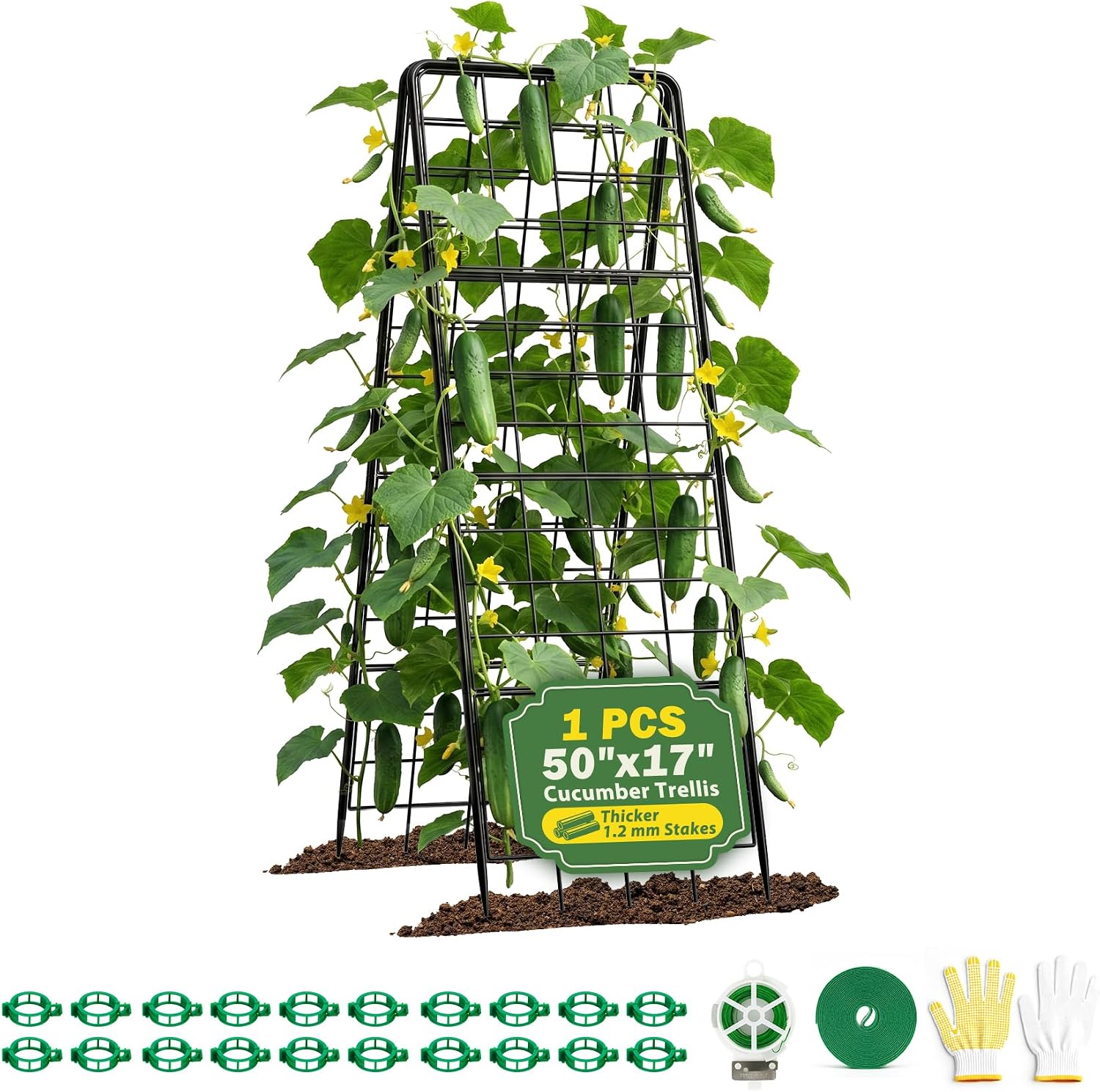
The HIHADUUM adjustable A-frame trellis is a 2-pack metal support system intended for climbing vegetables and ornamental vines in outdoor gardens. Based on the listed specifications, each frame measures 17 inches wide by 50 inches high at full height, with an adjustable design that can be set from 17 to 50 inches. It is a practical match for raised bed gardeners, small-yard growers, and homeowners who want to train cucumbers, peas, beans, tomatoes, peppers, or similar climbing plants upward instead of letting them sprawl.
The main gardening benefit is the combination of an A-frame shape and a dense grid. The product information lists 3.15 x 3.94 inch grid openings, which gives vines more places to attach or be tied compared with wider spacing. For crops like cucumbers and pole beans, that can make routine training easier, especially when plants are young and need help finding the support. The manufacturer also describes the reinforced frame as intended to distribute plant weight across the structure.
The trellis is made from iron and metal with a powder-coated black finish. The product data describes a pre-assembled solid steel top hinge, a reinforced outer frame, and setup using hand-tightened bolts to adjust height. Assembly is still required, but reviewers commonly mention that it is easy to put together. The kit also includes plant clips, twist wire, reusable tape, and gloves, which is helpful for beginners who may not already own vine-training supplies.
In a backyard vegetable garden, this trellis could be used over a raised bed row of cucumbers, peas, beans, cherry tomatoes, or compact melons where the gardener plans to guide vines upward. The two-pack format also gives flexibility for using one frame in each of two beds or placing both in a larger growing area. Because the panels can be collapsed or disassembled flat, it should be easier to store between seasons than a bulky fixed trellis.
There are a few practical limits to keep in mind. The 50 inch maximum height may not be enough for very vigorous or tall-growing vines, and heavier crops may need careful tying, routine checking, and possibly extra anchoring depending on the site. Although many reviewers describe the trellis as sturdy, one reviewer reported bending and instability, so gardeners in windy locations or those growing heavy fruiting vines should watch the frame as plants fill in. As with any metal garden support, wear gloves during assembly and avoid forcing bent or misaligned parts.
Overall, this HIHADUUM trellis is a sensible option for gardeners who want an adjustable, reusable A-frame support for raised beds and compact vegetable plots. It is especially appealing for cucumber and bean growers who value dense tie points and seasonal storage. Gardeners growing very tall vines, large pumpkins, or heavy unsupported fruit may want to compare taller or more heavily anchored trellis systems before choosing this one.

Pros
- Combines planter and trellis in one compact unit for small-space growing.
- Optional casters are useful for moving the planter around a patio or porch.
- Built-in drainage supports healthier container watering practices.
- Reviewers commonly mention that assembly is straightforward.
- Traditional walnut-finished wood design suits visible areas such as entryways and decks.
Cons
- The planter box is shallow, so it may be less suitable for deep-rooted vegetables or larger perennial plants.
- Several reviewers note that the overall size is smaller than they expected, so measuring the space first is important.
- Gardeners wanting a full-size raised bed for food growing may prefer a larger, deeper planter.
The Best Choice Products SKY5841 is a compact outdoor wood planter with an attached diamond lattice trellis. Based on the listed specifications, it is designed more as a decorative patio or porch planter for flowers and climbing plants than as a full-size raised garden bed. It should appeal to homeowners, balcony gardeners, and beginners who want a simple container with built-in vertical support.
The main gardening benefit is the combination of a planter box and trellis in one floor-standing unit. The tight diamond lattice gives vining plants a place to climb, while the rectangular box can hold small potted plants or a shallow soil bed. Built-in drainage holes are a practical feature because container plantings need a way for excess water to escape.
The overall dimensions are listed as 25 inches long, 11 inches wide, and 48 inches high, with internal planter dimensions of 26.5 inches long, 10.5 inches wide, and 6.5 inches high. The product information lists fir wood with a walnut finish, a 50-pound weight capacity, and an item weight of 10.6 pounds. Four optional wheels are included, and two of them lock, which can help when repositioning the planter on a deck, patio, or entryway.
For small-space use, this planter makes sense along a balcony rail, beside a front door, on a patio edge, or as a lightweight accent near a seating area. It could be used for flowering climbers, seasonal annuals, or small container arrangements where the shallow planting depth is appropriate. Reviewers commonly mention easy assembly, and several also point out that the unit is smaller than expected, so checking the measurements before ordering is especially important.
The biggest limitation is growing volume. A 6.5-inch internal depth is not the same as a deep raised bed, so gardeners planning tomatoes, large vegetables, or deep-rooted crops may want a larger planter. Because it is wood used outdoors, routine care and weather exposure should be considered, and some buyers may choose to add additional outdoor protection, as a few reviewers mention doing.
Overall, this is a practical choice for decorative vertical planting in compact outdoor areas, especially if mobility and a built-in trellis are priorities. It is less ideal for gardeners who need substantial soil depth, a wide planting surface, or a heavy-duty raised bed for high-production edible gardening.
Pros
- Useful size for small raised beds, with listed dimensions of 17 inches wide by 50 inches high.
- Adjustable sections allow gardeners to use a shorter setup early in the season or the full height for taller vines.
- Reviewers commonly mention straightforward assembly and a sturdy feel once set up.
- Dense metal grid provides many places to clip or tie climbing stems without adding separate netting.
Cons
- Assembly is required, so it may not suit gardeners who want a fully ready-to-place trellis.
- At 50 inches tall, it may be less suitable for very vigorous vines that need taller vertical support.
- Although the product is described as rust-proof and powder coated, one reviewer reported rust appearing at screws and grid attachment points after about a month outdoors.
The HIHADUUM B01-16YGCXPPJ is an adjustable metal A-frame garden trellis intended for climbing vegetables and flowering vines. Based on the listed product information, it is a good fit for raised beds, small backyard vegetable plots, and gardeners who want a reusable frame for cucumbers, peas, beans, grape tomatoes, climbing peppers, morning glories, and similar plants.
The main gardening benefit is the dense grid design. The listed 3.15 x 3.94 inch openings give tendrils and plant ties frequent attachment points, which can help keep vines directed upward instead of sprawling across the soil. For home gardeners, that can make the bed easier to manage and can simplify harvesting compared with unsupported vines.
This trellis adjusts from 13 inches to 50 inches high, so it can be set lower for seedlings and expanded as plants grow. The listed dimensions are 17 inches wide by 50 inches high, and the A-shape makes it suitable for placing over or within a raised bed row. The product information also notes a pre-assembled solid steel top hinge, a 1.2 cm reinforced outer frame, powder-coated metal construction, and a collapsible design for storage.
For beginners, the included accessory kit is a useful detail. The listing includes 20 plant clips, 66 feet of twist ties, 10 feet of garden tape, and basic assembly tools. Reviewers commonly describe assembly as straightforward, though one noted that part of the instructions was not perfectly clear. Several reviewers also mention that the trellis feels sturdy once assembled and placed in the garden.
In practical use, this style of trellis is best for small-space vertical growing rather than large, permanent garden infrastructure. It should work well in a single raised bed or a compact vegetable row where you want cucumbers or beans off the ground. Gardeners growing very long, heavy, or aggressive vines may want to compare it with taller or wider supports before deciding.
The balanced caution is durability outdoors. The manufacturer describes the frame as rust-proof and powder coated, but one reviewer reported rust at screws and grid attachment areas after about a month outside. For longer seasonal use, it would be sensible to inspect joints and hardware periodically, store the trellis dry when not in use, and avoid overloading it beyond the listed support expectations.

Pros
- Creates useful vertical growing space for vining vegetables and flowering climbers.
- Includes two obelisk-style supports for flexible placement around the garden.
- No-tool assembly and removable parts support seasonal use and storage.
- Decorative bird topper gives the trellis a more ornamental look than a plain cage.
- Listed materials and coating are intended for outdoor garden conditions.
Cons
- Designed for lightweight to medium plants, so very heavy vines or loaded tomato plants may need extra staking or a stronger support.
- Some reviewers report that the connectors can be tight or that the structure may feel flimsy if not assembled carefully.
- It needs to be pushed securely into soil, and windy sites may require additional ties or garden stakes.
The OTOSUNNY Obelisk Trellis 2-Pack is a pair of decorative climbing plant supports intended for outdoor and indoor gardening where vertical space matters. Based on the listed features, it is meant for lightweight to medium climbing plants such as peas, beans, cucumbers, tomatoes, roses, clematis, and other vine flowers or vegetables. It is a practical option for beginners and homeowners who want a tidier way to guide vines upward in raised beds, pots, patios, or garden beds.
The main gardening benefit is vertical training. By giving vines a frame to climb, this obelisk trellis can help keep foliage more visible for watering, pruning, soft tying, and harvesting. The teepee-style shape also works as a decorative alternative to a basic tomato cage, especially for gardeners who want plant support that still looks at home in a patio planter or ornamental bed.
The product information lists PE-coated metal tubes, plastic connectors, adjustable cross arms, and four pointed ground stakes for each trellis. Assembly is described as no-tool, using clips and connectors, and the trellis can be taken apart for compact storage at the end of the season. The listing describes the height as 67 inches, while the specifications also show 12 inches wide by 64 inches high, so gardeners fitting it into a tight planter should check the current product measurements carefully before buying.
In a backyard vegetable bed, the two supports could be placed near cucumbers, pole beans, green beans, peas, or compact tomato plantings that need moderate guidance. In smaller spaces, one trellis can be used in a large patio pot while the other goes into a raised bed or indoor planter with enough soil depth to hold the pointed ends securely. The adjustable cross arms add some flexibility for different layouts, although the base still needs adequate room and a firm soil hold.
There are a few limitations to keep in mind. The product information specifically frames this as support for lightweight to medium plants, so heavy fruit loads, vigorous mature vines, or exposed windy areas may call for additional stakes, soft plant ties, or a heavier-duty trellis. Reviewers are mixed on sturdiness, with some finding setup easy and useful, while others mention tight connectors, breakage, or instability, so careful assembly and secure anchoring are important.
Overall, this OTOSUNNY trellis set makes the most sense for gardeners who want an affordable-looking, decorative vertical support for moderate climbers in beds and larger containers. Gardeners growing very heavy tomatoes, large cucumber plantings in windy spots, or permanent perennial vines may be better served by a sturdier fixed trellis or a heavier cage system.

Pros
- Useful size for cucumbers, peas, beans, and other moderate climbing plants in raised beds.
- Plastic-coated alloy steel construction is listed as rust-resistant and easy to clean.
- Designed for one-person assembly with included cross-shaped connectors.
- Reviewers commonly mention that it is easy to put together.
Cons
- The product information notes that the 47 x 15.7 inch size is not for heavy plants, so large squash vines or heavily loaded tomatoes may need stronger support.
- Assembly is required, and one reviewer noted there are many pieces to put together.
- Gardeners wanting a tall archway or broad trellis span may prefer a larger structure.
The Groumh U-Shape Garden Trellis is a compact climbing plant support intended for raised beds, in-ground garden rows, patio plantings, and larger containers. It is aimed at gardeners growing cucumbers, peas, beans, flowering vines, and similar plants that benefit from being guided upward instead of sprawling across the soil.
Based on the listed product information, the main garden benefit is vertical support in a small footprint. Keeping vines lifted can make plants easier to see, train, and access during the growing season, while also helping organize crowded beds where ground space is limited.
The trellis measures 15.7 inches wide by 47 inches high and uses alloy steel with a plastic-coated finish. The product information describes a steel core inside plastic-coated poles, with the coating intended to resist rust, fading, and breakage while reducing direct metal contact with tender vines.
Assembly is required, and the design uses cross-shaped connectors rather than spring clips. That should appeal to homeowners and newer gardeners who want a seasonal support that can be assembled, placed in the soil, and later disassembled for storage. Reviewers commonly mention easy assembly, though one noted that there are many pieces.
In practical use, this trellis is best matched with moderate climbing crops in raised beds, such as cucumbers, green beans, sugar snap peas, and lighter flowering vines. It may also work where a gardener wants a low-profile support along the edge of a bed or in a patio container, provided the container has enough soil depth to hold the legs securely.
The key limitation is strength for heavier crops. The product information specifically notes that this 47 x 15.7 inch trellis is not for heavy plants, so gardeners growing large squash, heavily fruited tomatoes, or vigorous grape vines may want a taller, wider, or more rigid support. For light to moderate vines in small spaces, it is a sensible, easy-to-place option.

Pros
- Tall 81-inch height helps guide vigorous climbers upward and can create a walk-through garden feature.
- Useful for growing a row of climbing plants on both sides of the arch.
- Black steel frame can blend into vegetable gardens, flower beds, and decorative planting areas.
- Vertical growing can help keep suitable crops off the soil and make harvesting easier.
Cons
- The listed width is relatively narrow, so gardeners should check bed spacing before ordering.
- Heavier-fruiting vines may require careful training and secure anchoring as they mature.
- Some assembly and soil anchoring should be expected before planting around the structure.
The CACERIAWM garden arch trellis is a steel climbing support for outdoor vegetables, flowers, and ornamental vines. It is intended for gardeners who want to train crops upward in a raised bed, backyard row, or compact growing area rather than letting vines sprawl across the soil.
The main gardening benefit is vertical growing. The product information lists cucumbers, tomatoes, peas, beans, squash, melons, roses, wisteria, ivy, and other climbing plants as suitable uses. For crops that naturally vine or can be tied and trained, an arch like this can make plants easier to access and may improve airflow around foliage.
Based on the listed specifications, the trellis stands 81 inches high and 31.5 inches wide, with a black steel frame and polyethylene coating. The design is described as a house-style arch rather than a traditional A-frame, which gives it a more open shape and leaves space to walk underneath. A nylon net is included for climbing support, and metal fastening clips are listed as part of the structure.
This style can work well at the edge of a raised bed, between two narrow planting rows, or as a decorative entry point in a vegetable or flower garden. Planting on both sides lets vines meet overhead, which can be especially useful where ground space is limited but vertical space is available.
For best results, the structure should be installed securely before plants become heavy. The product information recommends anchoring the base 14 inches into the soil, which is especially important in exposed garden areas. Gardeners should also check the available bed width and surrounding clearance, since the listed width may not suit every pathway or raised-bed layout.
This trellis is a sensible choice for homeowners and beginner-to-intermediate gardeners who want a simple vertical support for climbing vegetables and decorative vines. Gardeners growing very heavy crops or working in unusually windy locations may want to compare larger or more heavily reinforced trellis options before deciding.
Praktischer Kaufratgeber: Das beste Rankgitter für Hochbeete
Rankgitter für Hochbeete unterscheiden sich stärker, als es zunächst den Anschein hat. Bevor Sie Preise vergleichen, sollten Sie die verfügbaren Formen, Materialien und Befestigungsarten kennen und wissen, welche davon zu einer bestimmten Beetgröße oder Gartenroutine passen.
Form des Rankgitters: A-Rahmen, U-Form oder Bogen
A-Rahmen-Rankgitter wie das 2er-Pack von DoCred und das Modell von TrellumeGardenHome bilden mit dem Boden ein Dreieck. Laut Rückmeldungen von Besitzern sind sie bei Wind stabil, da sich die beiden Standbeine gegenseitig abstützen. Sie eignen sich gut, wenn sie über einem schmalen Beet oder über zwei Pflanzenreihen aufgestellt werden. U-förmige Rankgitter wie das Growia-Modell mit 48 x 48 Zoll bilden eine einzelne, leicht nach hinten geneigte Fläche. Das passt zu Gärtnern, die ihre Pflanzen an einer einzigen Rankfläche entlangführen möchten, statt einen beidseitigen Tunnel zu schaffen. Bogen-Rankgitter wie das Anleolife 4x6ft und das AIMUCT 7.1ft überspannen die Breite eines Beets oder einen Weg und ermöglichen es, darunter hindurchzugehen. Laut der Produktbeschreibung von AIMUCT ist dies praktisch, um Früchte von beiden Seiten zu pflücken, ohne sich über den Rahmen beugen zu müssen.
Die richtige Größe für Ihr Hochbeet
Stimmen Sie die Grundfläche des Rankgitters vor dem Kauf auf die Breite Ihres Beets ab. Das Groumh-Rankgitter misst 15,7 x 47 Zoll und passt damit gut in einen schmalen Beetabschnitt. Das Growia-Modell und ähnliche U-Rahmen mit 48 x 48 Zoll sind laut dem in der Produktbeschreibung erwähnten Feedback von Gärtnern für ein vollbreites Standardbeet ausgelegt. Wenn Ihr Beet breiter als 4 Fuß ist, bietet eine erweiterbare Option wie der Anleolife-Bogen mehr Flexibilität als eine Rankfläche mit fester Breite. Der Hersteller beschreibt ihn als aus ungefähr 4-Fuß-Abschnitten aufbaubar, die sich mit zusätzlichen Sets verlängern lassen.
Höhe und Pflanzenart
Niedrigere Rankgitter mit etwa 39 bis 50 Zoll Höhe wie die Modelle von DoCred und HIHADUUM eignen sich für Erbsen, Buschbohnen und kürzere Kletterpflanzen. Höhere Konstruktionen wie das AIMUCT mit 7,1 Fuß oder der Anleolife-Bogen mit 4 x 6 Fuß sind laut den in den Produktbeschreibungen genannten Pflanzenlisten für stark rankende Pflanzen wie Kürbisse, Flaschenkürbisse und Melonen gedacht. Das HIHADUUM-Rankgitter zeichnet sich hier durch seine Flexibilität aus: Der angegebene verstellbare Bereich von 13 bis 50 Zoll ermöglicht einen niedrigen Start für Jungpflanzen und eine Verlängerung des Rahmens, wenn die Pflanzen wachsen. Das ist hilfreich für Gärtner, die noch nicht wissen, wie hoch ihre Kulturpflanzen werden.
Material und Witterungseinflüsse
Die meisten Rankgitter in diesem Vergleich besitzen einen Stahlkern, entweder aus unbehandeltem galvanisiertem Stahl oder mit einer Kunststoffbeschichtung. Kunststoffbeschichtete Modelle wie die Rankgitter von Groumh und TrellumeGardenHome verfügen über eine schützende Außenschicht, die als rostbeständig beschrieben wird und Pflanzenstängel, die am Rahmen entlangwachsen, weniger leicht beschädigen soll. Schwerere Bogenkonstruktionen wie die Modelle von Anleolife und AIMUCT setzen laut den aufgeführten Merkmalen auf verdickte oder pulverbeschichtete Stahlrohre für mehr Windbeständigkeit. Es gibt auch Varianten aus Holz, etwa den Pflanzkasten von Best Choice Products mit integriertem Rautengitter. Laut Produktbeschreibung besteht er aus witterungsbeständiger Tanne mit Walnuss-Finish. Das bietet eine andere Optik als Metallrahmen, wenn Sie Rankgitter und Pflanzgefäß in einem Stück kombinieren möchten.
Befestigung: Am Beet montiert oder mit Erdankern
Einige Rankgitter sind dafür ausgelegt, direkt an den Seiten eines Hochbeetrahmens verschraubt zu werden, während andere auf Erdspießen beruhen, die in den Boden gedrückt werden. Der Anleolife-Bogen umfasst laut den aufgeführten Merkmalen lange M6-Befestigungselemente, Unterlegscheiben und Flügelmuttern für die Montage am Beet. Alternativ kann er auch in der Erde installiert werden. Das AIMUCT und das 7ft GardenArchTrellisforPlants verwenden tiefe oder abnehmbare Erdspieße für Stabilität in offenem Boden. Wenn Ihr Beet auf einer harten Terrassenfläche steht oder dünne Seitenwände hat, die keine Schrauben halten können, ist ein für Gartenerde bestimmtes Rankgitter mit Erdspießen möglicherweise nicht geeignet. Prüfen Sie daher vor der Bestellung, ob die Befestigungsart zu Ihrem Beetmaterial passt.
Tragfähigkeit und Gitterdichte
Schwere Fruchtträger wie Kürbisse oder Melonen belasten ein Rankgitter stärker als Erbsen oder Prunkwinden. In der Produktbeschreibung von HIHADUUM werden verstärkte Stahlgitter mit 3,15 x 3,94 Zoll hervorgehoben, die eine breitere Lastverteilung als dünnere Drahtkonstruktionen bieten sollen. Der Anleolife-Bogen verwendet quadratische Stahlpfosten mit 13-mm-Querstreben, die laut Beschreibung eine steifere Unterstützung als reine Seilsysteme darstellen. Leichtere A-Rahmen-Rankgitter mit dünneren Stangen wie das Groumh-Modell werden eher für leichte Pflanzen als für schwere Melonen beworben. Deshalb lohnt es sich, vor dem Pflanzen schwerer Kulturen auf einem leichten Rahmen die Gitterstärke in den technischen Daten zu prüfen.
Aufbau, Lagerung und häufige Fehler
Die Aufbauzeit variiert innerhalb dieser Auswahl deutlich. Das Generic 2-pack cucumber trellis und mehrere A-Rahmen-Modelle werden als sofort einsatzbereit und ohne Montage beschrieben, während der AIMUCT-Bogen laut Produktbeschreibung einen Aufbau von 45 Minuten durch eine bis zwei Personen erfordert. Ein häufiger Fehler besteht darin, Erdspieße oder Schrauben an windigen Standorten wegzulassen. Mehrere Produktbeschreibungen nennen ausdrücklich Funktionen gegen Schwingen oder Wackeln, die jedoch nur funktionieren, wenn das Befestigungsmaterial tatsächlich verwendet wird. Für die Lagerung sind faltbare A-Rahmen-Rankgitter wie die Modelle von DoCred und HIHADUUM so konstruiert, dass sie flach zusammengelegt werden können. Laut Rückmeldungen von Besitzern lassen sie sich außerhalb der Saison unter ein Bett oder Regal schieben, statt das sperrige Gestell ganzjährig draußen stehen zu lassen.
Kleine Flächen und einfache Handhabung
Für ein kleines Terrassenbeet oder einen einzelnen Pflanzkübel benötigt ein kompaktes Rankgitter wie das Groumh-Modell mit 15,7 x 47 Zoll nur wenig Platz und unterstützt dennoch leichte Kletterpflanzen. Gärtner, die sich Bücken oder schweres Heben ersparen möchten, können ein höhenverstellbares Modell wie das HIHADUUM bevorzugen, da es beim Aufbau niedriger eingestellt und später angehoben werden kann. Auch ein Modell ohne Montage, das ganz ohne Werkzeug auskommt, kann hier praktisch sein. Der Pflanzkasten von Best Choice Products mit befestigtem Rankgitter und optionalen Rollen ist ebenfalls interessant für alle, die eine kombinierte Pflanzkasten-Rankgitter-Einheit bewegen möchten, ohne ein schweres Hochbeet umzustellen.
| Rankgitter | Stil | Angegebene Größe | Preis |
|---|---|---|---|
| Groumh Cucumber Trellis | U-Form | 15.7 x 47 in | $15.19 |
| TrellumeGardenHome Trellis | A-Rahmen | 49.4 x 49.4 in | $22.98 |
| Growia U-Shape Trellis | U-Rahmen | 48 x 48 in | $31.99 |
| HIHADUUM Adjustable Trellis | A-Rahmen | 13 to 50 in adjustable | $35.99 |
| AIMUCT Garden Arch | Bogen | 7.1 ft tall | $68.00 |
| Anleolife Garden Arch | Bogen | 4 x 6 ft | $139.99 |
Methodik und Vertrauenswürdigkeit
Dieser Ratgeber basiert auf einer recherchierten Analyse veröffentlichter Produktbeschreibungen und nicht auf praktischen Tests im Garten. Zunächst haben wir Produkte ausgewählt, die eindeutig als Rankgitter, Bögen oder Kombinationen aus Pflanzgefäß und Rankgitter für Hochbeete vorgesehen sind. Alles, was nicht zu diesem Zweck passte, wurde ausgeschlossen.
Anschließend verglichen wir bei allen 15 Produkten die angegebenen technischen Daten wie Höhe, Breite, Gitterabstand, Befestigungsmaterial und Rahmenmaterial, da diese Details bestimmen, ob ein Rankgitter zu einem bestimmten Beet passt und die vorgesehene Kultur tragen kann. Außerdem prüften wir verfügbare Rückmeldungen von Besitzern und Sternebewertungen, um zu sehen, welche Merkmale wie verstellbare Höhe oder ein Aufbau ohne Montage wiederholt als praktische Vor- oder Nachteile genannt wurden.
Zum Schluss bewerteten wir jedes Produkt anhand typischer Einsatzbereiche im Hochbeetgarten, darunter kleine Terrassenbeete, standardmäßige 4-Fuß-Beete und Installationen über Wegen. So beziehen sich die Empfehlungen auf realistische Gartengrundrisse statt auf eine einzige ideale Lösung. Diese Seite wurde im August 2026 geprüft und aktualisiert, um aktuelle Angebote, Preise und verfügbare Lagerbestände zu berücksichtigen.
Abschließende Empfehlungen
Für die meisten Standard-Hochbeete mit verschiedenen rankenden Gemüsesorten ist das AIMUCT 7.1FT Extra Tall Metal Garden Arch Trellis unsere beste Wahl insgesamt. Die bogenförmige Konstruktion im Stil eines Hauses bietet den Pflanzen auf beiden Seiten Platz zum Wachsen und lässt gleichzeitig Raum, um darunter hindurchzugehen. Die Bewertung von 4,7 Sternen aus 105 Rezensionen deutet darauf hin, dass es sich für eine große Bandbreite an Kletterpflanzen bewährt.
Gärtner mit kräftigeren Kletterpflanzen oder größeren Beeten bevorzugen möglicherweise das Anleolife 4x6ft Galvanized Garden Arch Trellis als besonders robuste Wahl, da die Befestigung am Beet, die tief einsetzbaren Beine und die festen Querstreben speziell für eine geringe Pendelbewegung bei windigen Bedingungen ausgelegt sind. Für einen kleinen Pflanzkübel oder einen schmalen Beetabschnitt ist das Groumh Cucumber Trellis mit einem Preis von 15.19 Dollar und der kompakten Grundfläche von 15,7 x 47 Zoll eine gute Wahl für kleine Flächen. Gärtner, die die Höhe an das Pflanzenwachstum anpassen möchten, ohne später ein zweites Rankgitter kaufen zu müssen, sollten sich das HIHADUUM Adjustable A-Frame Trellis als leicht zugängliche Wahl ansehen. Der Bereich von 13 bis 50 Zoll und die platzsparende, zusammenklappbare Lagerung sind für Gärtner geeignet, die Wert auf Flexibilität und einfache Handhabung legen.
Kein Rankgitter passt zu jedem Beet. Stimmen Sie Ihre Wahl daher vor dem Kauf auf die Beetbreite, das erwartete Gewicht der Kulturpflanzen und die Frage ab, ob Sie Befestigungsmaterial für die Montage am Beet oder Erdspieße benötigen.
FAQ
Wie wähle ich das beste Rankgitter für Hochbeete aus?
Beginnen Sie mit der Breite Ihres Beets und der geplanten Kultur. Für ein schmales Beet eignet sich ein kompaktes A-Rahmen- oder U-förmiges Rankgitter, während ein breites Beet oder ein Weg von einem erweiterbaren Bogen profitiert. Prüfen Sie vor der Bestellung, ob das Rankgitter am Beetrahmen verschraubt wird oder Erdreich für Erdspieße benötigt.
Welche Höhe braucht ein Rankgitter für Gurken oder Bohnen?
Niedrigere Pflanzen wie Erbsen und Buschbohnen kommen in der Regel mit einem 39 bis 50 Zoll hohen Rankgitter aus. Stark rankende Pflanzen wie Gurken oder Kürbisse entwickeln sich häufig besser an einem höheren Bogen oder einem verstellbaren Rahmen, der mit der Pflanze wachsen kann. Vergleichen Sie den angegebenen Höhenbereich jedes Produkts mit der erwarteten Größe Ihrer Pflanzen.
Kann ich ein Rankgitter direkt an meinem Hochbeet befestigen?
Einige Modelle wie der Anleolife-Bogen enthalten Befestigungsmaterial für die Montage an den Beetwänden, während andere auf Erdspieße setzen, die in den Boden gedrückt werden. Wenn Ihr Beet dünne Seitenwände hat oder auf einer harten Oberfläche steht, sollten Sie vor dem Kauf sicherstellen, dass die Befestigungsart zu Ihrem Aufbau passt.
Wie lagere ich ein Garten-Rankgitter über den Winter?
Zusammenklappbare A-Rahmen-Rankgitter lassen sich normalerweise flach zusammenlegen. Mehrere Produktbeschreibungen nennen dies als platzsparende Möglichkeit, das Rankgitter unter einem Bett oder Regal zu verstauen. Größere Bogenkonstruktionen müssen möglicherweise in einzelne Elemente zerlegt werden. Prüfen Sie daher die Hinweise zum Auf- und Abbau in der Produktbeschreibung.
Sind Rankgitter aus Metall besser als Varianten aus Holz für Hochbeete?
Rankgitter aus Metall, besonders mit Kunststoff- oder Pulverbeschichtung, werden für die langfristige Nutzung im Freien meist als rostbeständig beworben. Holzvarianten wie der Best Choice Products-Pflanzkasten mit integriertem Rautengitter bieten eine andere Optik und kombinieren Beet und Rankgitter in einer Einheit. Das bevorzugen manche Gärtner für ein einheitlicheres Erscheinungsbild.
Wie viel Gewicht kann ein Rankgitter für Hochbeete tragen?
Die Tragfähigkeit hängt von der Gitterstärke und dem Rahmenmaterial ab und variiert je nach Produkt. Sie lässt sich daher nicht als feste Zahl für alle Rankgitter angeben. Modelle mit stärkeren Stahlrohren und dichteren Gittern wie HIHADUUM und Anleolife werden als für schwerere Kletterpflanzen geeignet beschrieben, während leichtere A-Rahmen-Konstruktionen eher für Pflanzen wie Erbsen oder Prunkwinden gedacht sind.
Ist ein Rankgitter in der Nähe von Kindern und Haustieren sicher?
Befolgen Sie die Montageanleitung des Herstellers und stellen Sie sicher, dass Erdspieße oder Schrauben vollständig befestigt sind, da ein nicht verankertes Rankgitter unter dem Gewicht rankender Pflanzen umkippen kann. Wenn neugierige Haustiere oder kleine Kinder Zugang zum Garten haben, wählen Sie eine gut verankerte Variante und prüfen Sie den Rahmen regelmäßig auf lockere Befestigungselemente.